Sourcing preserved cut roses from China
Preserved cut roses from China have a listed UK duty of 10%, with a conditional suspension to 0%. Confirm eligibility for the actual goods, especially mixed arrangements. Check plant health status and the attached CITES and organic controls before shipping. Cambridge China Bridge sources preserved cut roses.
Buying from China for a business? How our UK China sourcing agent service works · China sourcing agent for small orders and first imports
Preserved rose duty and import controls
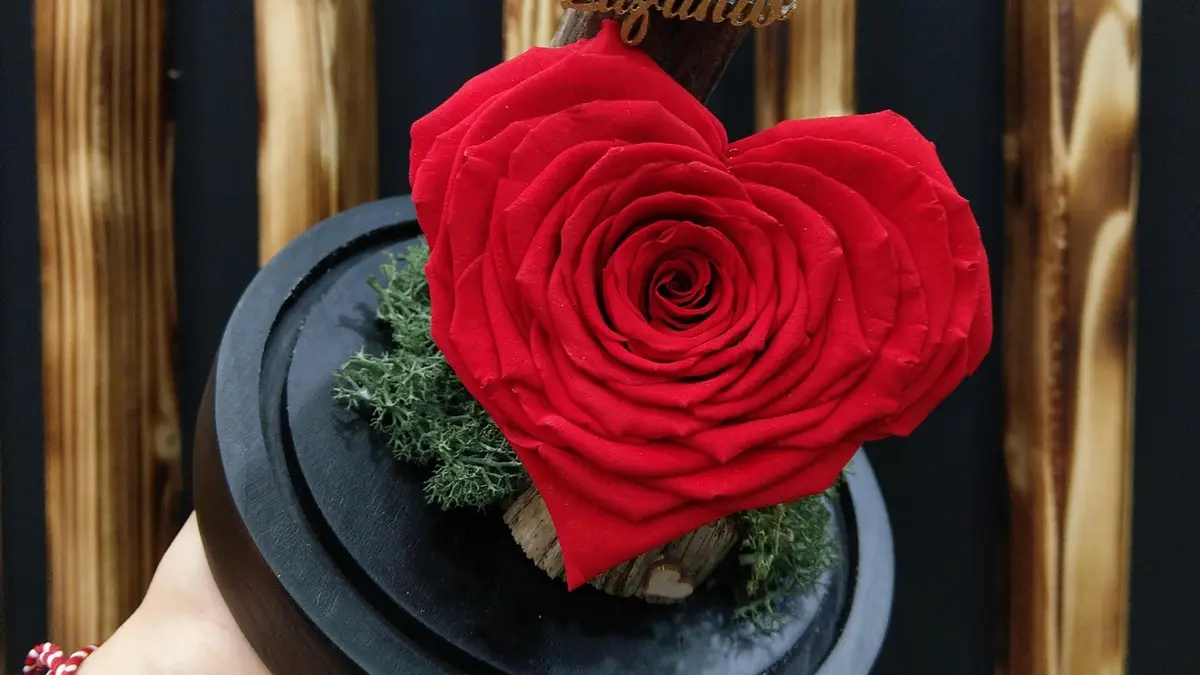
Read from the UK Trade Tariff on 29 September 2026, heading 0603 covers real cut flowers and flower buds for bouquets or ornament, including dried, dyed, bleached, impregnated or otherwise prepared flowers. Preserved roses fall within the non-fresh line 0603 90 00 00, subject to confirmation of the actual product. The table shows product variants sharing that line. For the wider heading, see fresh cut roses.
The supplied tariff data lists 10% third-country duty and an autonomous tariff suspension at 0.00%, with no anti-dumping or countervailing measure recorded. Its suspension footnote excludes mixtures, preparations or products made up of different components containing these products. Ask your broker to confirm eligibility before using the suspended rate, particularly for arrangements containing foliage, containers or other components.
The tariff attaches CITES import and export controls and organic import control. Listed CITES species need permits; check the botanical identity rather than assuming every rose needs one. For preserved roses from China, confirm the organic control's applicability and documentation with your customs broker. Confirm plant health status for the preservation process and destination. Send treatment details, composition and photographs when checking the commodity code.
| Goods | Commodity code | Duty | Anti-dumping or countervailing duty on China |
|---|---|---|---|
| Preserved rose heads, impregnated | 0603 90 00 00 | 10% | None |
Specify the rose and preservation treatment
Specify the botanical identity, loose heads or stems, flower diameter, opening shape, stem length and the preservation process. Record the dyes and preservatives used, agreed shade, softness, acceptable petal damage and any added fragrance. Approve a physical sample and packing that separates blooms and prevents contact with the lid.
Consumer products sold in Great Britain must be safe in normal or reasonably foreseeable use. Ask for information on treatment chemicals and assess the finished rose and its presentation. Agree care instructions based on sample performance, including handling and exposure to damp or sunlight.
Worked duty example
Illustrative example, not a quote: 2,000 boxes of preserved rose heads, illustrative order under 0603 90 00 00, invoiced at £6,000 free on board, with £900 of freight and insurance to the UK. The customs value is £6,900. Duty at 10% is £690. Import VAT at 20% is charged on the customs value plus duty, £7,590, so it is £1,518. Import taxes total £2,208; a VAT-registered importer can usually reclaim the VAT, so the lasting cost is the £690 of duty. The import duty and VAT guide explains each step.
Inspection checklist
Bloom condition: check shape, softness, torn petals, loose petals and exposed adhesive against the approved sample.
Colour transfer: rub a sample with white cloth and check whether dye stains tissue, inserts or adjacent blooms.
Moisture: open cartons and check for damp, mould, insects and unusual odour.
Packing: check head supports, stem attachment, separation and lid clearance, then compare arrival condition with the dispatch record. Use the quality inspection guide.
Working out your own order? Send us the product on WhatsApp and we reply the same working day: WhatsApp us
What goes wrong
Orders can fail when blooms are crushed, petals become brittle, colours differ between batches or dye marks the presentation box. Damp packing can leave mould or odour. Retain an approved sample and photographs, and agree how damaged or discoloured goods will be handled.
A supplier's description of “preserved roses” does not resolve classification or import controls. Mixed presentations also need a separate suspension eligibility check. Obtain the treatment description and full component list before shipment, rather than relying on a fresh-rose description.
Cambridge China Bridge sources these products for UK businesses, checking the factory and the documents before shipment. See factory verification. For repeat volumes, see container programmes.
Frequently asked questions
What is the UK import duty on preserved roses from China?
The supplied tariff data lists 10% for 0603 90 00 00 and a conditional 0.00% suspension. Its footnote excludes specified mixtures, preparations and products made up of different components. Confirm eligibility with your broker.
Do preserved roses need a phytosanitary certificate?
Confirm the plant health risk category for the actual treatment and destination. Ask the plant-health authority whether a phytosanitary certificate is required; do not assume that a supplier's “preserved” description settles the category.
Do preserved roses need a CITES permit?
The tariff line carries CITES controls. Permit requirements depend on the botanical species. Check the supplier's botanical identity and confirm applicability with your customs broker before shipping.
What should I check when preserved roses arrive?
Compare colour, shape and softness with the approved sample. Check torn petals, dye transfer, damp, mould, odour and crushed packing. Photograph defects before removing the blooms from their supports.