Sourcing synthetic wig hair from China
Prepared synthetic hair for wig making from China carries 0% UK duty under heading 6703, with no anti-dumping or countervailing measures listed. Consumer products supplied in Great Britain must be safe. Specify the fibre and verify heat-styling claims. Cambridge China Bridge sources prepared synthetic hair for wig making.
Buying from China for a business? How our UK China sourcing agent service works · China sourcing agent for small orders and first imports
Duty on prepared synthetic wig hair
Read from the UK Trade Tariff on 8 November 2026, heading 6703 covers worked human hair and animal hair or other textile materials prepared for making wigs or similar articles. Prepared synthetic wig-making hair falls within the textile-material description. The table shows buying variants within the supplied commodity line, all carrying 0% duty from China. No anti-dumping or countervailing measures or suspensions are listed.
The heading carries CITES import and export controls and cat-and-dog-fur import and export controls. Imports and exports of cat or dog fur and products made from it are banned. CITES specimens need an import permit. Obtain a written fibre declaration and ask your customs broker to confirm how the attached controls apply to the declared synthetic material; investigate any animal-hair blend before ordering.
Confirm the commodity code using the fibre composition, processing and supplied form. Finished wigs and extensions made up as articles belong under heading 6704 rather than this prepared-material heading. The human hair bundles guide covers the wider heading.
| Goods | Commodity code | Duty | Anti-dumping or countervailing duty on China |
|---|---|---|---|
| Straight synthetic hair prepared for wig making | 6703 00 00 00 | 0% | None |
Specify the fibre and styling behaviour
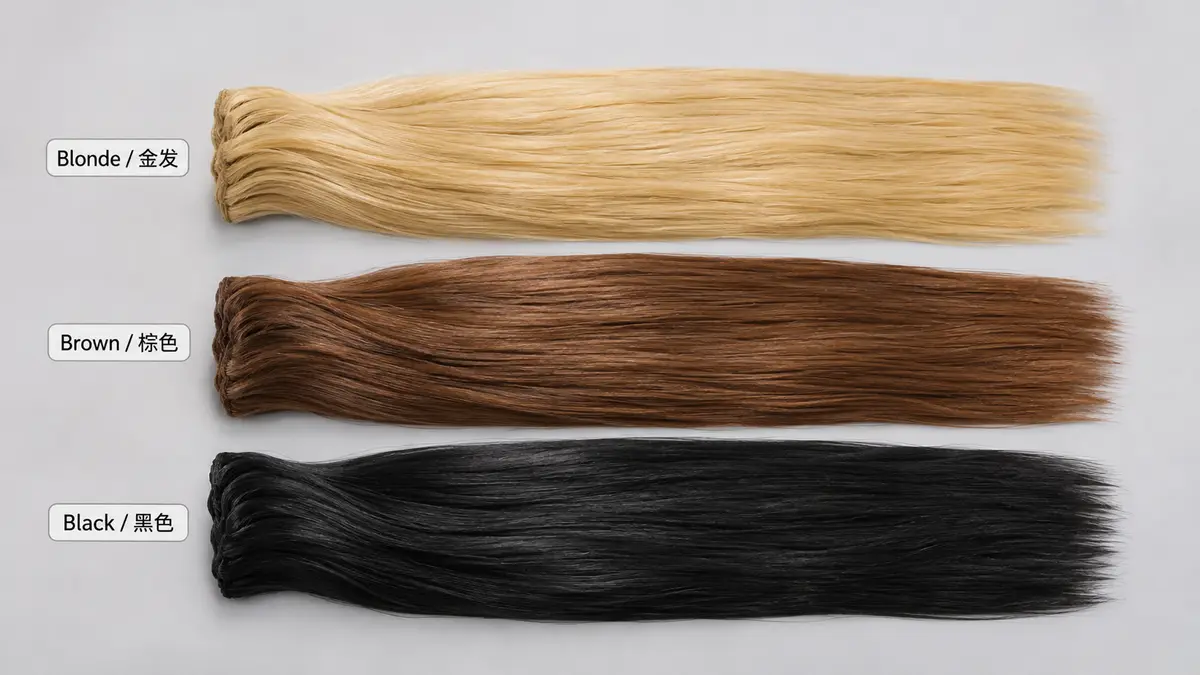
Specify the polymer or fibre blend, straight or curled form, strand thickness, cut length and length distribution, bundle net weight, colour reference, surface sheen and packing. State whether the material is loose prepared hair or an assembled article. Retain an approved sample and ask the factory to record changes to the fibre, colourants or finish.
For heat-styling claims, agree the tool, temperature, exposure and acceptance criteria, then test the supplied fibre before sale. Check for sticking, shrinkage and loss of curl. Consumer products supplied in Great Britain must be safe. REACH restrictions can limit, ban or set conditions on substances; request composition information for the fibre, colourants and finish to support a review of applicable restrictions.
Worked duty example
Illustrative example, not a quote: Illustrative order of 300 kg of prepared synthetic hair for wig making under 6703 00 00 00, invoiced at £3,000 free on board, with £1,200 of freight and insurance to the UK. The customs value is £4,200. Duty at 0% is £0. Import VAT at 20% is charged on the customs value plus duty, £4,200, so it is £840. With no duty, the only import tax is the VAT, which a VAT-registered importer can usually reclaim. The import duty and VAT guide explains each step.
Inspection checklist
Identity: compare the fibre declaration and batch sample with the approved material; use laboratory identification if substitution or an animal-hair blend is suspected.
Length and weight: measure the length distribution and weigh the hair without packaging or ties; check for short strands hidden inside bundles.
Colour and handling: compare shades under consistent lighting, comb samples, rub with a damp cloth and wash as agreed to check tangling, shedding and colour transfer.
Styling and packing: repeat the agreed heat test where claimed, check curl recovery after unpacking, and match bundle labels to the batch records. Use the quality inspection guide to brief the inspector.
Working out your own order? Send us the product on WhatsApp and we reply the same working day: WhatsApp us
What goes wrong
A replacement fibre can look similar while behaving differently during heat styling. Bundles may contain excess short strands, vary in shade or feel sticky after washing. Tight packing can flatten curls and create tangles. Compare production samples after unpacking, combing and washing, rather than approving appearance alone.
A report for a different fibre or finish does not show how the supplied batch performs. Match evidence to the ordered material and retain batch samples. If the supplier changes a synthetic-only specification to include animal hair, pause the order and confirm the tariff controls with your customs broker.
Cambridge China Bridge sources these products for UK businesses, checking the factory and the documents before shipment. See factory verification. For own-brand ranges, see sourcing for brands.
Frequently asked questions
What is the UK import duty on prepared synthetic wig hair from China?
The supplied tariff data gives 0% under 6703 00 00 00, with no anti-dumping or countervailing measures and no suspensions listed.
Does the same code cover finished synthetic wigs?
Finished wigs fall under heading 6704. Confirm whether the shipment is prepared wig-making material or a finished article before declaring it.
How do I check synthetic hair sold as heat-friendly?
Agree the tool, temperature and exposure with the supplier. Test production samples for sticking, shrinkage and curl loss before using the claim.
Why does synthetic wig hair have animal-related tariff controls?
The heading also covers animal hair. Obtain a fibre declaration and have your broker confirm the controls. Cat and dog fur imports are banned; CITES specimens need an import permit.