Sourcing polyurethane plastic scrap from China
Polyurethane plastic scrap from China carries 0% UK duty under the other-plastics scrap line, with no anti-dumping or countervailing duty recorded. Waste shipment controls still apply, so confirm the material and recycling route before loading. Cambridge China Bridge sources polyurethane plastic scrap.
Buying from China for a business? How our UK China sourcing agent service works · China sourcing agent for small orders and first imports
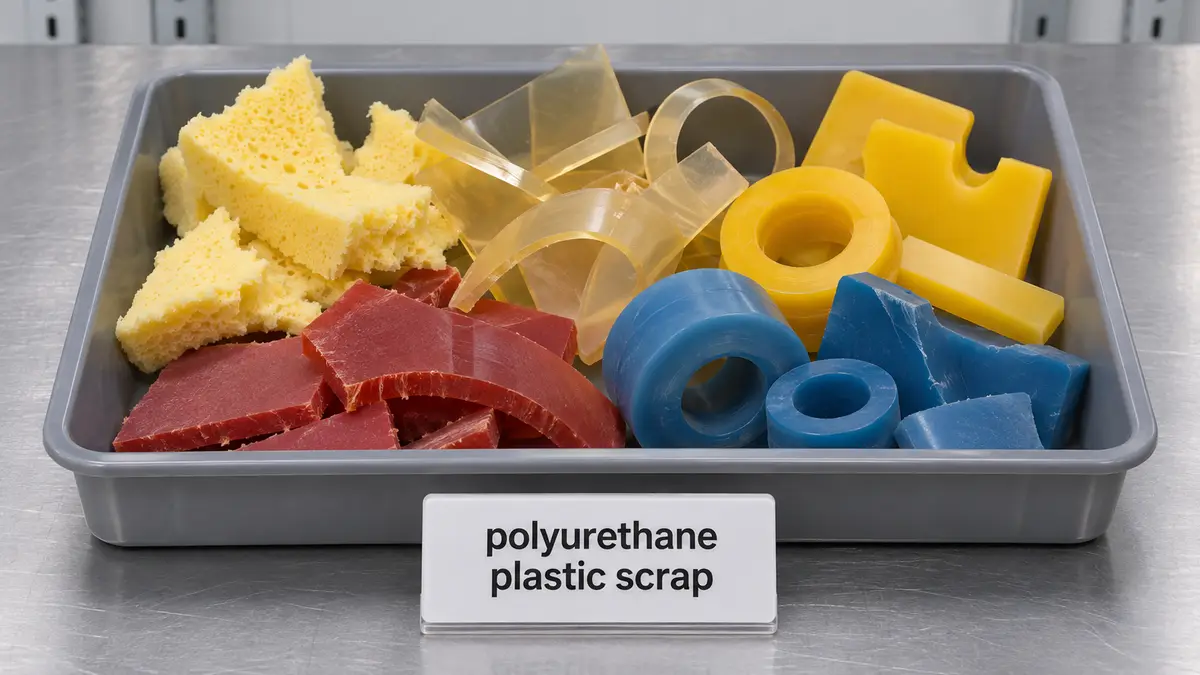
0% duty on polyurethane plastic scrap
Read from the UK Trade Tariff on 14 November 2026, heading 3915 covers waste, parings and scrap of plastics. Polyurethane scrap should be checked against the other-plastics line, 3915 90 70 00. The table describes different scrap forms under this same line. HMRC includes broken, worn or unusable plastic articles within heading 3915.
The supplied line carries 0% duty for goods from China, with no anti-dumping or countervailing measure and no suspension recorded. No import or export waste control is attached to this particular line in the extract. Waste shipment rules still apply: ask the regulator whether mixed or contaminated scrap needs prior notification and consent. Confirm the procedure with the receiving facility and regulator before shipping.
Provide the polymer identity, production source, physical form, contamination details and proposed treatment when confirming the commodity code. Do not assume that finished foam sheets, resin or material sold as recycled pellets belongs in the scrap heading. See the wider plastic scrap guide for other polymers.
| Goods | Commodity code | Duty | Anti-dumping or countervailing duty on China |
|---|---|---|---|
| Flexible polyurethane foam offcuts | 3915 90 70 00 | 0% | None |
Specify foam scrap separately from thermoplastic regrind
State whether the load contains flexible foam, rigid foam or thermoplastic polyurethane. Identify the manufacturing process and whether the material is production scrap or recovered from used products. Agree colour, particle or offcut size, moisture, foreign-material limits and the sampling method with the receiving recycler.
For foam, specify whether facings, fabric, adhesive, metal or other plastics remain attached. For thermoplastic regrind, request polymer identification and a processing trial using a representative sample. Agree acceptance criteria for the intended recycling process rather than buying against the description ‘polyurethane scrap’ alone.
Where plastic waste qualifies for the lighter shipment procedure, sending it for a non-recycling treatment instead requires notification and consent before shipping. For notified imports into England, the recovery facility must hold a waste permit or exemption covering the treatment described in the notification.
Worked duty example
Illustrative example, not a quote: Illustrative order of sorted thermoplastic polyurethane production offcuts under 3915 90 70 00, invoiced at £9,000 free on board, with £2,000 of freight and insurance to the UK. The customs value is £11,000. Duty at 0% is £0. Import VAT at 20% is charged on the customs value plus duty, £11,000, so it is £2,200. With no duty, the only import tax is the VAT, which a VAT-registered importer can usually reclaim. The import duty and VAT guide explains each step.
Inspection checklist
Identity: compare material from inside sampled bags or bales with the approved sample; check that foam and thermoplastic scrap have not been mixed.
Contamination: inspect for fabric, foil facings, adhesive, metal, dust and other polymers, including material hidden beneath clean outer layers.
Condition: check moisture, odour, discolouration and packaging damage; retain representative samples for the recycler’s acceptance tests.
Documents: compare the supplier, material description, batch identification, waste classification and receiving facility details with the actual load.
Working out your own order? Send us the product on WhatsApp and we reply the same working day: WhatsApp us
What goes wrong
A clean sample can conceal a mixed shipment. Foam arrives with bonded fabric or foil, thermoplastic regrind contains other polymers, or damp material increases handling and drying work. A recycler expecting thermoplastic feedstock may be unable to use the foam delivered.
Agree a representative sampling plan and rejection terms before loading. Confirm the waste procedure against the actual material and treatment, then compare arrival samples with the retained loading samples. The quality inspection guide explains how to brief the inspection.
Cambridge China Bridge sources these products for UK businesses, checking the factory and the documents before shipment. See factory verification. For repeat volumes, see container programmes.
Frequently asked questions
What is the UK import duty on polyurethane plastic scrap from China?
The supplied tariff extract records 0% duty under 3915 90 70 00, with no anti-dumping or countervailing measure and no suspension.
Does 0% duty mean there are no waste import controls?
No. Waste shipment rules apply separately from duty. Confirm the material’s waste classification and shipment procedure with the receiving facility and regulator before loading.
Can I mix polyurethane foam with thermoplastic polyurethane regrind?
Specify them separately and ask the recycler to approve the actual mixture. Their acceptance tests and processing needs can differ.
What should I check before buying polyurethane foam scrap?
Check the foam type, production source, moisture and attached fabric, foil or adhesive. Trial a representative sample with the receiving recycler before agreeing the bulk specification.