Sourcing random copolymer resin from China
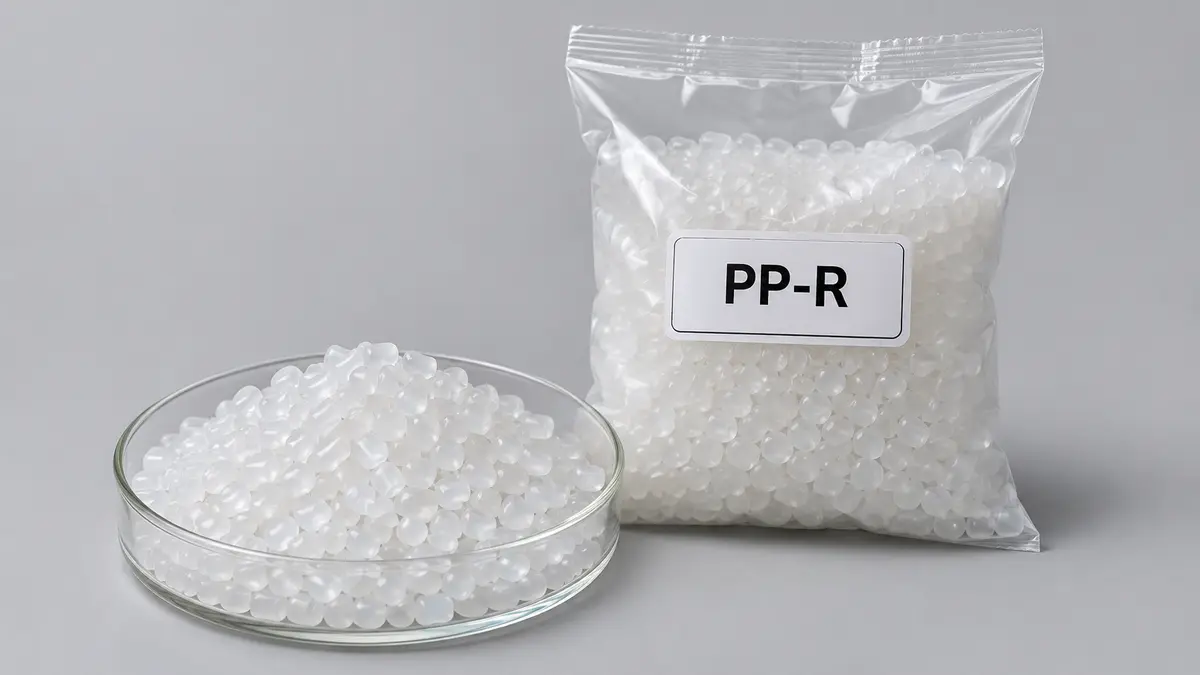
Polypropylene random copolymer resin from China normally pays 6% UK duty. The relevant residual line also lists a 0% suspension for a specific block copolymer, not ordinary random grades. For food contact grades, confirm the compliance documentation requirements with the relevant authority. Cambridge China Bridge sources polypropylene random copolymer resin.
Buying from China for a business? How our UK China sourcing agent service works · China sourcing agent for small orders and first imports
6% for ordinary random copolymer resin
Read from the UK Trade Tariff on 1 October 2026, heading 3902 covers polymers of propylene or other olefins in primary forms. Ordinary polypropylene random copolymer resin falls within the other propylene copolymers line, 3902 30 00 99, subject to confirmation of composition. Its standard China duty is 6%, with no anti-dumping or countervailing measure recorded in the supplied tariff facts. The table separates application grades sharing this code.
The line lists an autonomous suspension at 0.00 % for a specified block copolymer. Do not apply that relief to ordinary random copolymer resin simply because the commodity code matches. The suspension footnote excludes mixtures, preparations and products made up of different components containing the listed product.
The tariff attaches import and export waste controls. For waste imported into England under notification controls, shipment requires consent from the Environment Agency and the other competent authorities involved. Confirm the requirements for a China shipment with your customs broker before ordering recovered material. Confirm the commodity code using the composition and datasheet. See the wider polypropylene guide for other materials within the heading.
| Goods | Commodity code | Duty | Anti-dumping or countervailing duty on China |
|---|---|---|---|
| Random propylene copolymer resin for injection moulding | 3902 30 00 99 | 6% | None |
Specify the random copolymer grade and end use
Specify random copolymer rather than accepting a quotation that says only polypropylene. State whether the resin is for injection moulding, film or pipe extrusion. Agree melt flow rate and its test conditions, comonomer identity and content, stiffness, impact performance, colour and additive package. For transparent mouldings, compare haze and clarity on moulded samples of the same thickness.
Name your current reference grade and run the proposed resin through your own process. For pipe resin, agree the evidence you need for pressure and temperature performance before accepting a substitute. Record whether material is virgin or recycled and agree contamination limits and batch traceability.
For food contact use, obtain a declaration of compliance naming the grade, migration testing and relevant additives, as explained in the published polypropylene guide. Confirm with HSE how UK REACH registration requirements apply to the polymer, monomers and additives, including any upstream coverage. Check that position for the actual formulation before importing.
Worked duty example
Illustrative example, not a quote: Illustrative order: 24 tonnes of injection-moulding random copolymer resin under 3902 30 00 99, invoiced at £26,000 free on board, with £2,000 of freight and insurance to the UK. The customs value is £28,000. Duty at 6% is £1,680. Import VAT at 20% is charged on the customs value plus duty, £29,680, so it is £5,936. Import taxes total £7,616; a VAT-registered importer can usually reclaim the VAT, so the lasting cost is the £1,680 of duty. The import duty and VAT guide explains each step.
Inspection checklist
Identity: match manufacturer, grade and batch numbers on bags, datasheets and certificates of analysis; compare the declared composition with the approved resin.
Flow and mechanics: sample across bags and batches; compare melt flow rate, stiffness and impact results using the same test conditions as the approved grade.
Appearance and processing: check pellets for black specks, fines and foreign material; run a moulding or extrusion trial and compare clarity, surface finish and dimensional stability.
Packing and records: check bags and liners for tears, seal damage and contamination; retain batch samples and match food contact documents to the supplied grade. Use the inspection guide to brief the inspection.
Working out your own order? Send us the product on WhatsApp and we reply the same working day: WhatsApp us
What goes wrong
A similar melt flow rate does not establish that a substitute has the same copolymer structure or additive package. An unapproved grade can change clarity, stiffness or processing behaviour. Contaminated pellets can leave black specks in clear containers, while inconsistent batches force changes to moulding or extrusion settings.
Keep the approved specification and retained sample tied to the purchase order. Compare arrival samples before releasing the resin into production. Do not accept a generic food-grade statement in place of documents naming the supplied grade, or budget for suspended duty without checking the suspension description.
Cambridge China Bridge sources these products for UK businesses, checking the factory and the documents before shipment. See factory verification. For repeat volumes, see container programmes.
Frequently asked questions
What is the UK import duty on random copolymer polypropylene from China?
Ordinary random copolymer resin under 3902 30 00 99 carries 6% duty. The supplied facts list a 0.00 % suspension for a specified block copolymer, not ordinary random grades.
Can I replace my current random copolymer with a Chinese grade?
Compare composition, melt flow rate, stiffness, impact and additives, then run your own processing trial. A matching flow value alone is insufficient.
What paperwork do I need for food contact resin?
Obtain a declaration of compliance naming the supplied grade, supported by migration testing and information about relevant additives. Check that it covers your intended use.
What should I check when the pellets arrive?
Match grade and batch records, sample across bags, check flow and mechanical properties, inspect for contamination and damaged packing, and trial the resin before production release.