Sourcing PP impact copolymer resin from China
UK duty across heading 3902 ranges from 0% to 6%, but ordinary polypropylene impact copolymer resin pays 6%. Listed suspensions need an exact grade match. Confirm the UK REACH registration position for the polymer and its monomers with HSE. Cambridge China Bridge sources polypropylene impact copolymer resin.
Buying from China for a business? How our UK China sourcing agent service works · China sourcing agent for small orders and first imports
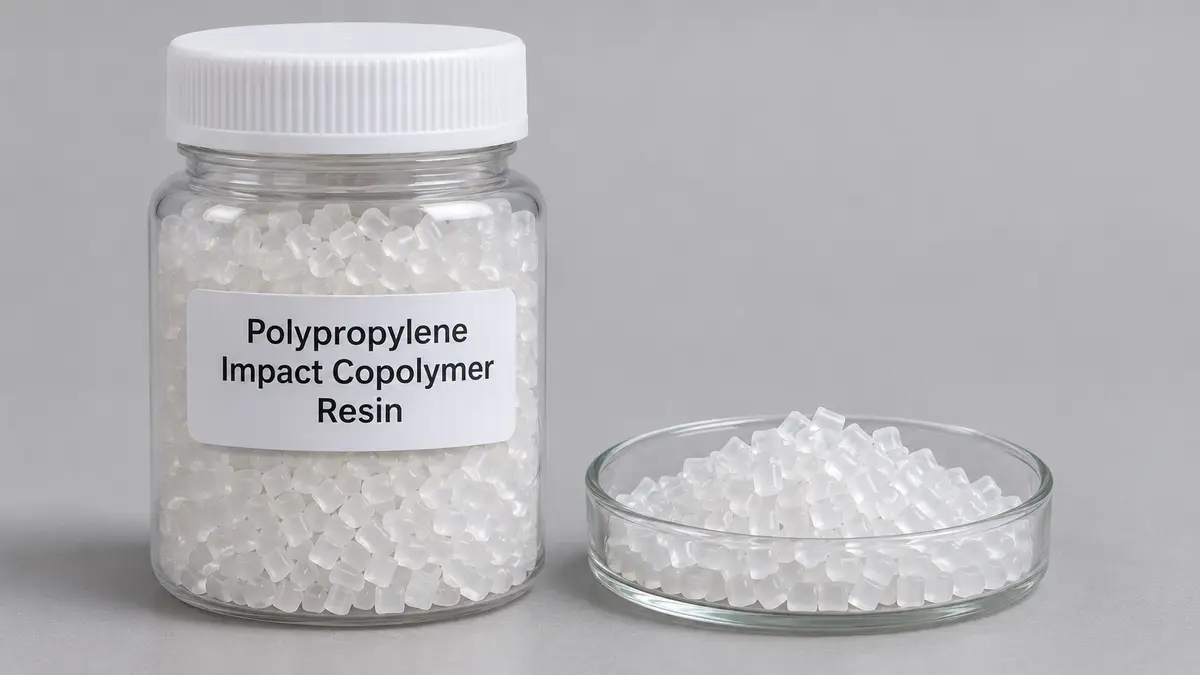
Ordinary impact copolymer resin: 6% duty
Read from the UK Trade Tariff on 1 October 2026, heading 3902 covers polymers of propylene or other olefins in primary forms. This guide concerns polypropylene impact copolymer resin supplied as pellets. Ordinary propylene copolymers under 3902 30 00 99 carry 6% duty from China. The table includes neighbouring classification entries for comparison; they are not interchangeable codes for the same resin.
The supplied tariff record lists no anti-dumping or countervailing measures. Listed suspensions give 0% only to qualifying goods. The suspension under 3902 30 00 99 describes a polystyrene and ethylene-propylene block copolymer, rather than ordinary impact polypropylene. Its footnote excludes mixtures, preparations and products made up of different components containing those products. Do not budget for suspension relief from the supplier's trade name alone.
The UK Trade Tariff attaches import and export waste controls. Waste shipment controls apply only where the material is waste. For material from China whose waste status is uncertain, confirm the applicable requirement with your customs broker before shipping. Give the broker the composition, datasheet and intended use to confirm the commodity code. For the wider heading comparison, see our random copolymer resin guide.
| Goods | Commodity code | Duty | Anti-dumping or countervailing duty on China |
|---|---|---|---|
| Other propylene copolymers | 3902 30 00 99 | 6% | None |
| Other polypropylene | 3902 10 00 90 | 6% | None |
| Polypropylene meeting the listed thermal and mechanical properties | 3902 10 00 20 | 6% | None |
| Other olefin polymers, other | 3902 90 90 99 | 6% | None |
Specify cold impact performance and moulding behaviour
Name the existing reference grade, intended moulded part and service temperature. Specify impact copolymer type, melt flow rate, flexural modulus and notched impact performance, with the test method and temperature for each result. Compare the proposed resin with your approved material using the same methods, then trial it in your mould.
Agree whether the resin is unfilled or compounded, its filler content, colour, additives and permitted recycled content. Ask the supplier to identify the producer and manufacturing grade, with a batch certificate of analysis. For recycled material, agree the source and contamination limits in writing.
Confirm with HSE whether UK REACH registration obligations apply to the polymer, monomers and additives, and whether upstream registration covers the actual formulation. For food-container applications, ask for a grade-specific declaration of compliance, supporting migration tests and details of dual-use additives. Our testing and certification service can help define the evidence to request.
Worked duty example
Illustrative example, not a quote: Illustrative order: 24 tonnes of injection-moulding polypropylene impact copolymer pellets under 3902 30 00 99, invoiced at £26,000 free on board, with £2,000 of freight and insurance to the UK. The customs value is £28,000. Duty at 6% is £1,680. Import VAT at 20% is charged on the customs value plus duty, £29,680, so it is £5,936. Import taxes total £7,616; a VAT-registered importer can usually reclaim the VAT, so the lasting cost is the £1,680 of duty. The import duty and VAT guide explains each step.
Inspection checklist
Identity: match producer, grade and batch numbers on bags, delivery documents and certificates; retain samples from different bags and lots.
Flow and stiffness: compare melt flow rate, density and flexural modulus with the approved grade, using the agreed test conditions.
Cold impact: mould test specimens and trial parts, then compare notched impact and cracking at the agreed service temperature.
Pellets and packing: inspect for black specks, foreign granules, fines and colour variation; check sealed liners and damaged bags. Use our quality inspection guide to plan sampling.
Working out your own order? Send us the product on WhatsApp and we reply the same working day: WhatsApp us
What goes wrong
A substitute homopolymer can mould acceptably yet crack in cold use. A matching melt flow rate alone does not establish equivalent impact strength or stiffness. Changes in filler content can also alter the part's behaviour. Require approval before any producer, grade or formulation change.
Mixed lots and contaminated pellets can produce inconsistent moulding or visible defects. Keep incoming batches separate until the checks and moulding trial are accepted. A suspension claim can also fail when the composition does not match its description; have the broker check eligibility before costing the order.
Cambridge China Bridge sources these products for UK businesses, checking the factory and the documents before shipment. See factory verification. For repeat volumes, see container programmes.
Frequently asked questions
What is the UK import duty on polypropylene impact copolymer resin from China?
Ordinary propylene copolymers under 3902 30 00 99 carry 6%. The listed 0% suspension covers a specifically described block copolymer, so do not assume ordinary impact resin qualifies.
How do I check a Chinese impact copolymer matches my current grade?
Compare melt flow rate, flexural modulus and notched impact using the same methods and temperatures. Trial the proposed resin in your mould and check the finished part.
Does polypropylene impact copolymer need UK REACH registration?
Confirm with HSE the UK REACH registration position for the polymer, monomers and additives, including whether supply-chain registrations cover the actual formulation.
Does recycled impact copolymer resin face waste import controls?
The tariff attaches waste controls. Confirm whether the shipment is a product or waste; if its status is uncertain, ask your customs broker to confirm the requirement before shipping.