Sourcing Polyphosphoric Acid from China
Polyphosphoric acid from China carries 0% UK import duty, with no anti-dumping or countervailing duty recorded. For supply in Great Britain, classification and labelling must be carried out by someone with scientific competence. Specify phosphorus content and viscosity. Cambridge China Bridge sources polyphosphoric acid.
Buying from China for a business? How our UK China sourcing agent service works · China sourcing agent for small orders and first imports
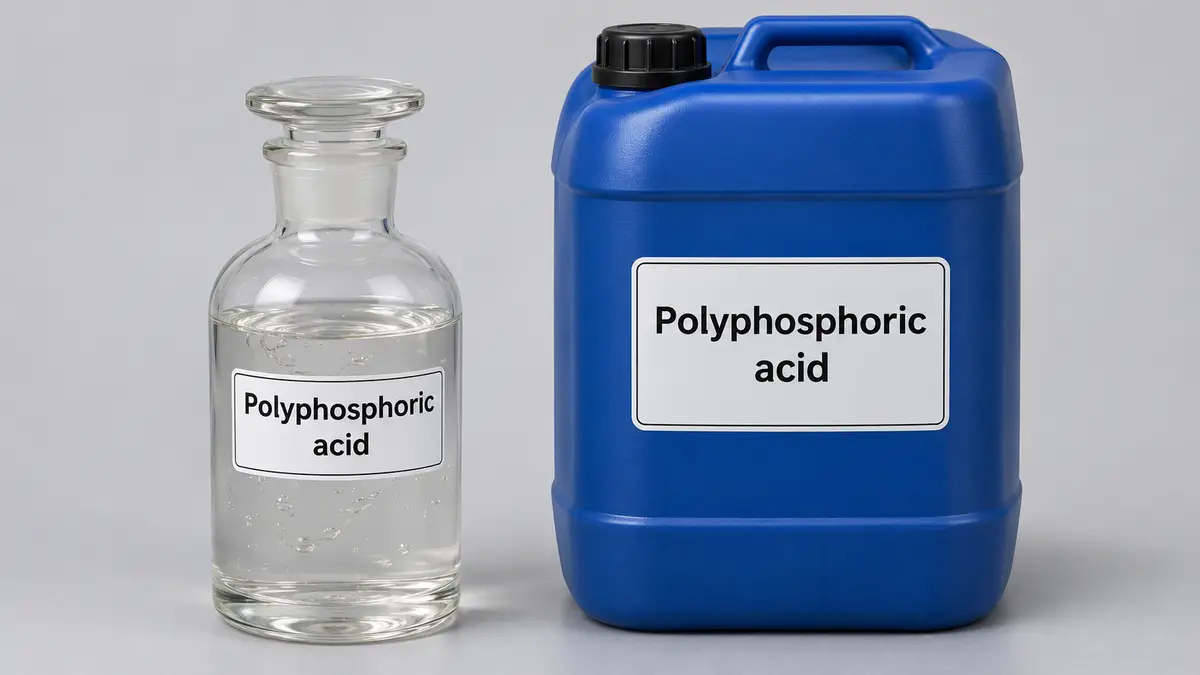
Polyphosphoric acid duty and waste controls
Read from the UK Trade Tariff on 2 October 2026, polyphosphoric acid under 2809 20 00 00 carried 0% duty for goods from China. The supplied tariff record lists no anti-dumping or countervailing measure and no suspension. Heading 2809 also covers phosphoric acid and diphosphorus pentaoxide. See the wider phosphoric acid guide.
The UK Trade Tariff attaches an import waste control and also lists an export waste control. For waste entering England under notification controls, shipment can start only after consent from the Environment Agency and the other competent authorities involved. For spent or recovered acid from China, ask your customs broker to confirm the applicable waste requirements before shipment.
The table contains the only supplied commodity line relevant to polyphosphoric acid. Confirm the composition and intended use against the commodity classification guide, especially if the supplier offers a formulated preparation rather than the acid itself.
| Goods | Commodity code | Duty | Anti-dumping or countervailing duty on China |
|---|---|---|---|
| Polyphosphoric acid | 2809 20 00 00 | 0% | None |
Specify phosphorus content and viscosity
Write the total phosphorus content expressed as phosphorus pentoxide into the purchase specification. Ask the supplier to state whether its quoted strength uses that basis or a phosphoric-acid equivalent. Agree the analytical method and acceptance limits, rather than accepting a grade name alone.
Specify viscosity at an agreed measurement temperature, together with colour, insoluble matter and limits for iron, chloride, sulphate and relevant heavy metals. Ask for a batch certificate of analysis and trial the proposed grade in your process. Agree container and seal materials, discharge arrangements and storage instructions.
Check the UK REACH registration position for the substance and your annual import volume before ordering; registration is per substance and per legal entity.
Worked duty example
Illustrative example, not a quote: Illustrative order: 4 tonnes of polyphosphoric acid in sealed drums under 2809 20 00 00, invoiced at £14,000 free on board, with £2,600 of freight and insurance to the UK. The customs value is £16,600. Duty at 0% is £0. Import VAT at 20% is charged on the customs value plus duty, £16,600, so it is £3,320. With no duty, the only import tax is the VAT, which a VAT-registered importer can usually reclaim. The import duty and VAT guide explains each step.
Inspection checklist
Identity and assay: match the product name, batch reference and declared composition across the certificate, safety data sheet and drum labels. Have a qualified laboratory check phosphorus content using the agreed method.
Viscosity and appearance: compare viscosity at the specified temperature with the contract. Check colour and insoluble matter, and confirm that the receiving equipment can discharge the supplied grade.
Impurities: compare batch test results for iron, chloride, sulphate and relevant heavy metals with the agreed limits. Retain a sealed sample linked to the batch.
Packaging and documents: inspect drum bodies, closures and seals for damage or leakage. Match the safety data sheet to the actual grade and ask the freight provider to confirm transport classification and packaging before dispatch. Arrange independent inspection against the purchase specification.
Working out your own order? Send us the product on WhatsApp and we reply the same working day: WhatsApp us
What goes wrong
A strength quoted on a different reporting basis can make apparently matching offers describe different material. An assay result alone may also leave viscosity and process performance unresolved. Compare certificates on the same basis and test a representative sample before accepting the batch.
Other failure points are impurities above the agreed limits, inconsistent colour, unsuitable closures and acid that cannot be discharged with the buyer’s equipment. Record these acceptance conditions in the order and check them before shipment.
Cambridge China Bridge sources these products for UK businesses, checking the factory and the documents before shipment. See factory verification. For repeat volumes, see container programmes.
Frequently asked questions
What is the UK import duty on polyphosphoric acid from China?
The supplied tariff record, read on 2 October 2026, shows 0% under 2809 20 00 00, with no anti-dumping or countervailing duty and no suspension.
Which strength should I specify for polyphosphoric acid?
Specify total phosphorus expressed as phosphorus pentoxide, the test method and acceptance limits. Ask whether the supplier’s quoted strength uses that basis or a phosphoric-acid equivalent.
Does polyphosphoric acid need a UK REACH check?
Check the registration position for the substance and your annual import volume before ordering. Registration is per substance and per legal entity.
Can I import spent polyphosphoric acid from China?
Ask your broker to confirm waste requirements before shipment. For waste entering England under notification controls, consent from the Environment Agency and other competent authorities is needed.