Sourcing Polyisoprene Rubber from China
Polyisoprene rubber in primary forms from China carries 0% UK duty, with no anti-dumping or countervailing duty recorded. Confirm polymer identity and check whether the shipment is waste before ordering; confirm the polymer and monomer registration position with HSE. Cambridge China Bridge sources polyisoprene rubber.
Buying from China for a business? How our UK China sourcing agent service works · China sourcing agent for UK manufacturers and engineering firms
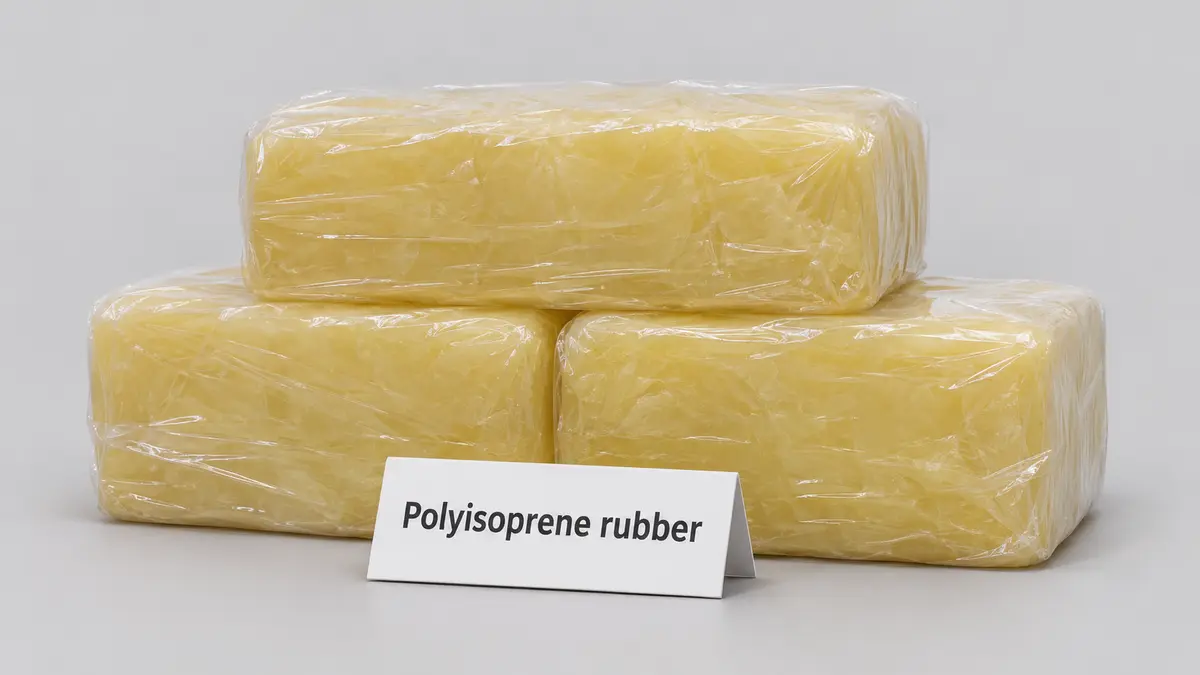
Polyisoprene duty and classification
Read from the UK Trade Tariff on 22 November 2026, isoprene rubber under 4002 60 00 00 carried 0% duty for goods from China. The supplied tariff record lists no anti-dumping or countervailing measure and no suspension. The table shows purchasing forms within this single commodity line.
Heading 4002 covers synthetic rubber in primary forms or in plates, sheets or strip, alongside other specified rubber products. This guide concerns polyisoprene in primary forms. Rubber already mixed with fillers or curatives is compounded rubber of heading 4005. Confirm the commodity code using the composition and technical data sheet. For related material within the heading, see polybutadiene rubber.
The tariff attaches waste import and export controls to this line. Waste shipment controls apply only where the material is waste. For material offered as scrap, recovered stock or waste, ask your customs broker to confirm the applicable requirement for the shipment from China before dispatch.
| Goods | Commodity code | Duty | Anti-dumping or countervailing duty on China |
|---|---|---|---|
| Polyisoprene rubber in bales | 4002 60 00 00 | 0% | None |
Specify the polyisoprene grade
Specify synthetic polyisoprene, the producer and grade, supply form, Mooney viscosity, volatile matter, ash and antioxidant system. Ask the producer to declare polymer microstructure, including cis content, and any additives. For latex, agree total solids, acidity, particle size and acceptable coagulum against an approved sample.
Approve the material in your compounder's own recipe. Compare mixing behaviour, cure curves and the properties of the cured compound with the grade currently used. Agree packaging, storage conditions and acceptable stock age at loading.
Confirm with HSE the UK REACH registration position for the polymer, monomers and additives, including whether existing upstream coverage applies to your import. Ask for the composition and evidence of applicable supply-chain coverage rather than accepting a general statement that rubber is exempt.
Worked duty example
Illustrative example, not a quote: Illustrative order: 20 tonnes of polyisoprene rubber in bales under 4002 60 00 00, invoiced at £40,000 free on board, with £2,000 of freight and insurance to the UK. The customs value is £42,000. Duty at 0% is £0. Import VAT at 20% is charged on the customs value plus duty, £42,000, so it is £8,400. With no duty, the only import tax is the VAT, which a VAT-registered importer can usually reclaim. The import duty and VAT guide explains each step.
Inspection checklist
Identity: match producer, grade and batch markings to the purchase order and certificate of analysis; compare sampled material with the approved grade.
Batch properties: check Mooney viscosity, volatile matter and ash against the agreed specification; for latex, check solids, acidity and coagulation.
Processing: mix samples in the agreed recipe and compare cure behaviour and cured properties before releasing the batch to production.
Packing: inspect wrapping, contamination, bale adhesion, cold flow and pallet damage; check latex containers for leaks and settled or coagulated material.
Working out your own order? Send us the product on WhatsApp and we reply the same working day: WhatsApp us
What goes wrong
A substitute grade can meet a broad description while processing differently. Changes in viscosity or antioxidant system can alter mixing, cure behaviour or the appearance of light-coloured products. Keep an approved sample and assess each batch against the agreed specification.
Bales can adhere to wrapping or flow together during storage, while latex can coagulate after unsuitable handling. Record packing defects on arrival and hold affected material for assessment. Agree sampling and release checks through the quality inspection guide.
Cambridge China Bridge sources these products for UK businesses, checking the factory and the documents before shipment. See factory verification. For repeat volumes, see container programmes.
Frequently asked questions
What is the UK import duty on polyisoprene rubber from China?
The supplied tariff record shows 0% for 4002 60 00 00, with no anti-dumping or countervailing duty and no suspension.
Is polyisoprene rubber the same as butyl rubber?
No. The tariff distinguishes isoprene rubber from isobutene-isoprene, or butyl, rubber. Ask for the polymer identity rather than relying on a shortened product name.
Does polyisoprene rubber need UK REACH registration?
Confirm with HSE the registration position for the polymer, monomers and additives, including whether existing upstream coverage applies. Check the composition and supply-chain coverage.
How do I approve a replacement polyisoprene grade?
Compare batch properties and test the grade in your own compound recipe. Approve mixing, cure behaviour and cured properties before accepting production stock.