Sourcing polyethylene glycol from China
The supplied polyethylene glycol family lines carry 0% to 6% UK duty from China, with a suspension for a specified derivative. Match the exact composition and molecular weight to the tariff description. Confirm with HSE how UK REACH registration rules apply to the polymer and its monomers. Cambridge China Bridge sources polyethylene glycol.
Buying from China for a business? How our UK China sourcing agent service works · China sourcing agent for small orders and first imports
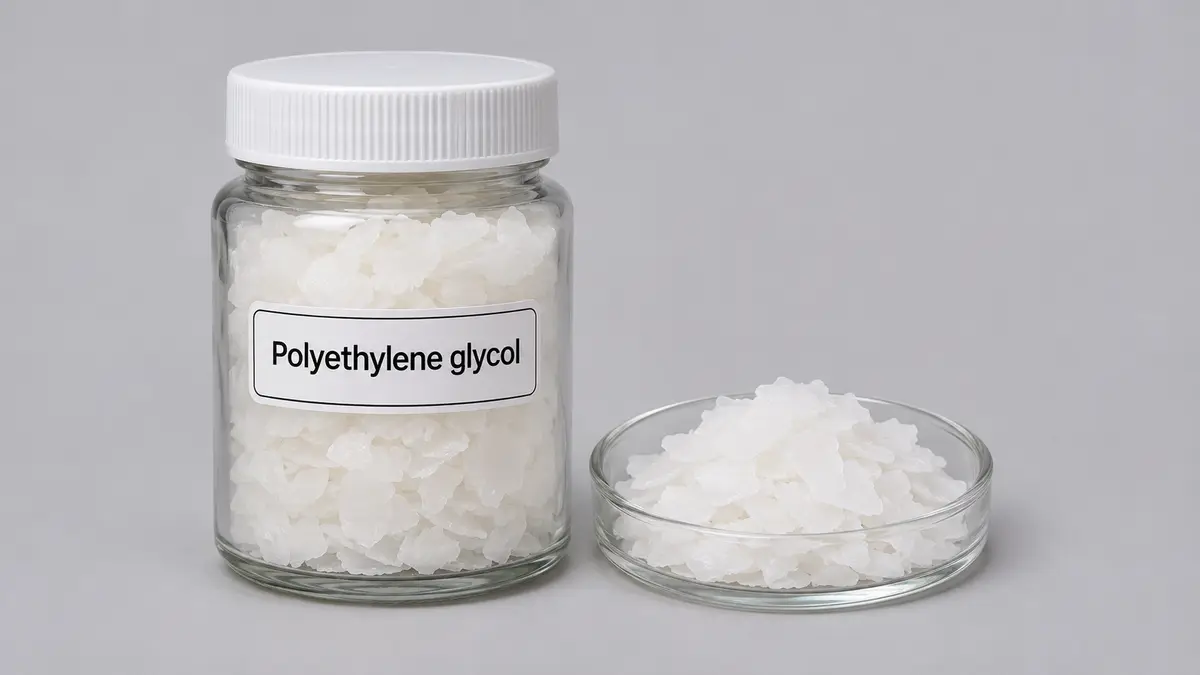
Duty depends on the exact glycol product
Read from the UK Trade Tariff on 30 September 2026, heading 3907 covers specified polymers in primary forms. The supplied polyethylene glycol entries include high molecular weight polyethylene oxide and specialised modified products. The table also includes ethoxylated glycerol because the tariff places it within this branch. These descriptions are not interchangeable with ordinary polyethylene glycol grades.
The listed polyethylene glycol branch entries carry 0% duty from China. The specified modified derivative under 3907 29 99 20 carries 6%, with an autonomous suspension to 0% that excludes mixtures or preparations containing it. No anti-dumping or countervailing duty is recorded for these rows. The tariff attaches an import waste control. For waste imports to England under notification controls, the Chinese exporter must apply to its competent authority for consent; confirm the shipment requirements with your customs broker.
The supplied file does not contain a catch-all line for ordinary polyethylene glycol. Confirm the commodity code using composition, molecular weight and physical form before budgeting. See the polyether polyols guide for the wider product family.
| Goods | Commodity code | Duty | Anti-dumping or countervailing duty on China |
|---|---|---|---|
| Polyethylene oxide, number-average molecular weight of 100 000 or more | 3907 29 11 10 | 0% | None |
| Specified polyethylene glycol modified acrylate and sorbitan trioleate mixture | 3907 29 11 30 | 0% | None |
| Specified ethoxylated glycerol, hydroxyl number 541 to 587 | 3907 29 11 40 | 0% | None |
| Specified modified polyethylene glycol derivative for protein or peptide linkage | 3907 29 99 20 | 6% | None |
Specify molecular weight and intended use
Specify whether you need unmodified polyethylene glycol, high molecular weight polyethylene oxide or a chemically modified derivative. State the molecular weight range and measurement method, physical form, viscosity at a stated temperature, water content, colour and impurity acceptance criteria. Agree packaging, storage conditions and the remaining shelf life at delivery.
Ask for a batch certificate of analysis and trial a representative sample in your formulation. Confirm with HSE how UK REACH registration rules apply to the polymer, its monomers and other substances, including whether any upstream arrangements cover your imports. Establish that position before ordering. HSE guidance explains how duty-holders in the Great Britain chemical supply chain can comply with the chemical classification, labelling and packaging regulation.
Worked duty example
Illustrative example, not a quote: Illustrative trial consignment of high molecular weight polyethylene oxide powder under 3907 29 11 10, invoiced at £2,000 free on board, with £1,500 of freight and insurance to the UK. The customs value is £3,500. Duty at 0% is £0. Import VAT at 20% is charged on the customs value plus duty, £3,500, so it is £700. With no duty, the only import tax is the VAT, which a VAT-registered importer can usually reclaim. The import duty and VAT guide explains each step.
Inspection checklist
Identity: check the producer, product designation, composition and batch number against the purchase specification and certificate of analysis.
Performance: compare molecular weight, viscosity, water content and colour with the agreed limits; use the agreed test temperature and method.
Packing: inspect seals, liners and containers for leaks, moisture ingress and contamination; check the recorded storage conditions.
Arrival sample: retain a traceable sample and compare its dissolution and formulation performance with the approved sample before releasing the batch. Use the inspection guide to set the inspection scope.
Working out your own order? Send us the product on WhatsApp and we reply the same working day: WhatsApp us
What goes wrong
A similar product name can conceal a different molecular weight distribution or chemical modification. The batch may dissolve differently or change formulation viscosity despite looking like the approved sample. Unspecified water content, damaged seals and mixed batch paperwork also make acceptance difficult.
A specialist duty-free description is not a general exemption for polyethylene glycol. In particular, ethoxylated glycerol is a separate product, and the modified derivative has its own suspension conditions. Resolve identity and classification before accepting the supplier's proposed code.
Cambridge China Bridge sources these products for UK businesses, checking the factory and the documents before shipment. See factory verification. For repeat volumes, see container programmes.
Frequently asked questions
What is the UK import duty on polyethylene glycol from China?
The supplied specialist lines carry 0% to 6%. The specified derivative has a suspension to 0%. The file omits a catch-all ordinary polyethylene glycol line, so confirm the exact code.
Does polyethylene glycol need UK REACH registration?
Check the composition and supply-chain position.
What should a polyethylene glycol certificate of analysis show?
Ask for batch identity, molecular weight information, viscosity with test temperature, water content, colour and the impurity results agreed for your application.
Can I use the ethoxylated glycerol code for ordinary polyethylene glycol?
Do not treat the descriptions as interchangeable. The ethoxylated glycerol line names a separate substance with a specified hydroxyl range.