Sourcing plastic packaging drums from China
Buy the drum and its closure as one approved assembly for your actual contents. For chemicals, check compatibility and the dangerous-goods test report before ordering; for food, require a declaration covering contact conditions. The selected Chinese-origin drum and closure tariff lines carry 6% ordinary duty plus 20% import VAT.
Buying from China for a business? How our UK China sourcing agent service works · China sourcing agent for small orders and first imports
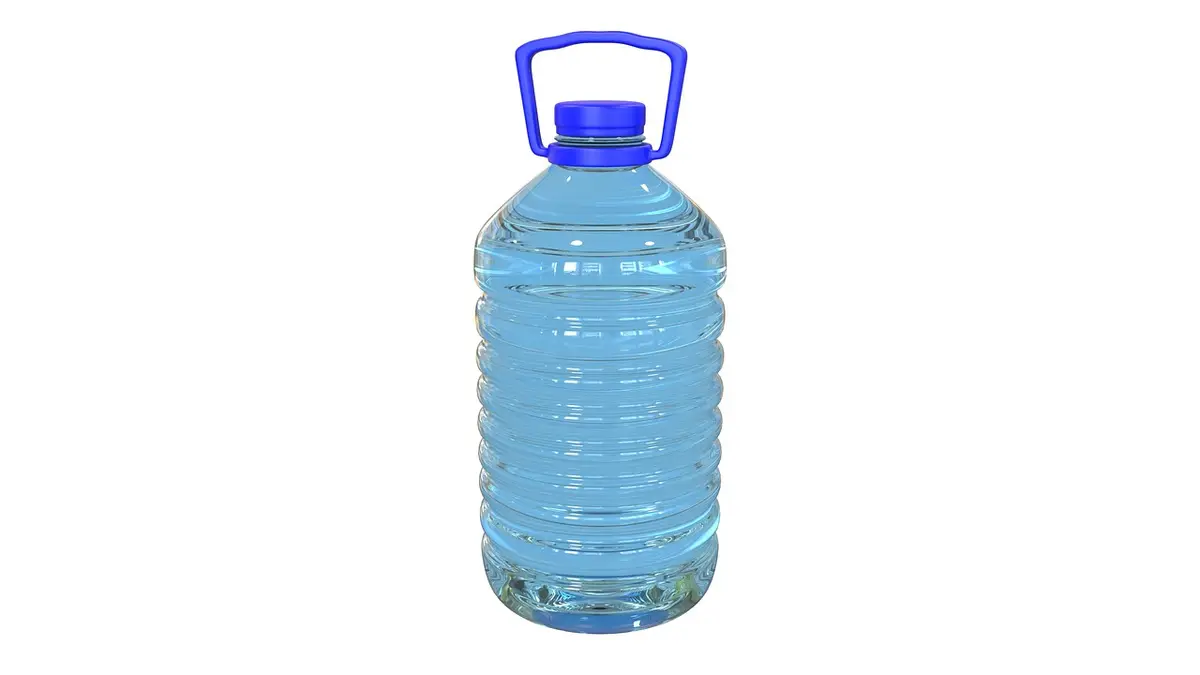
Specify the filled drum, not just its capacity
Start the enquiry with the contents: substance or food type, concentration, filling temperature, storage temperature, contact duration and transport method. Ask the supplier to identify the proposed resin, colour additive, recycled content, drum drawing and complete closure assembly. Record usable filling capacity separately from brimful capacity.
For a removable-head drum, approve the lid, gasket and closing ring together. For a closed-head drum, approve the bung, seal and thread drawing, then trial your actual pump or dispensing connector. Put closing instructions and any specified tightening torque in the purchase specification; do not invent a universal torque for every drum.
Make material and closure substitutions subject to written approval. Use the product specification guide to turn these requirements into an order attachment. If the enquiry is really for a small handled liquid container, compare the plastic jerrycan guide before choosing the drum format.
Where to look in China
A concrete production search location is Qingyun County, Dezhou, Shandong. Qingyun Xinli Plastic Industry lists plastic drums and gives its address as Qingyun County Economic Development Zone. Use this as a named manufacturer lead and a starting point for factory visits; the manufacturer's website establishes its advertised location and products, not its suitability for your order.
For process and material discussions, CHINAPLAS 2027—the China International Plastics and Rubber Industry Exhibition—is advertised for 13–16 April 2027 at Shenzhen World Exhibition & Convention Center in Bao'an. The organiser lists blow-moulding machinery, measuring and testing equipment, and chemical/raw-material zones.
Use the fair to discuss resin selection, moulding and testing with relevant exhibitors. For finished drums, ask each prospective supplier to bring the complete closure assembly, its drawing and use-specific documents. Arrange production-site discussions separately rather than treating a stand visit as factory approval.
Food contact and dangerous goods need different evidence
For food-contact drums supplied into Great Britain, the relevant plastics framework includes assimilated Regulation 10/2011. Article 15 requires a written declaration of compliance at marketing stages other than retail. Annex IV requires information on intended food types and contact time and temperature. Ask for the declaration and supporting migration evidence for the proposed drum, with food-contact closure components addressed separately where necessary.
For dangerous goods carried by road in Great Britain, regulation 5 of the Carriage of Dangerous Goods and Use of Transportable Pressure Equipment Regulations 2009 applies ADR requirements. Have your dangerous goods safety adviser check the substance classification, permitted packaging and proposed approval before ordering. Northern Ireland has separate equivalent carriage regulations.
A UN mark does not establish suitability for every chemical. Obtain the approval certificate, relevant test report and closing instructions, then match them to the drum and closure offered. The Department for Transport also requires packaging materials to be compatible with the contents. Do not approve a different gasket or bung solely because it fits.
Use any standards within their scope; a dimensional standard does not replace the approval documents. Our testing and certification service is the relevant starting point for defining the evidence needed for your intended use.
Inspection points that expose drum-specific problems
Agree the acceptance method before production. A visual check of empty drums should be supplemented by the agreed assembly and performance checks. Keep a reference drum with its approved lid, gasket and bung, and identify the production batch used for each test.
ASTM D5571-22 addresses environmental stress cracking of plastic closed-head drums. Its scope recognises cracking under chemical and physical stresses and notes that closure leakage can affect pressure-based test results. Ask the laboratory whether this method suits your drum; keep body-performance and closure-sealing results identifiable.
| Problem to investigate | Inspection or trial | Evidence to retain |
|---|---|---|
| Leakage at the bung, lid or gasket | Check thread drawing, sealing surfaces and gasket identity; close according to the supplier's instructions and perform the agreed leak test. | Closure part references, closing method and recorded leak-test result. |
| Cracking under chemical and physical stress | Confirm resin and additive identity; commission an appropriate compatibility or stress-cracking assessment for the intended contents. | Material records and a report identifying the tested drum and exposure conditions. |
| Distortion under a filled stacking load | Compare empty weight and wall-thickness distribution with the approved specification; agree a filled stacking trial with load, temperature and duration recorded. | Wall-thickness map and stacking-test conditions and result. |
| Poor fit with dispensing or handling equipment | Trial the actual pump connector and filled-drum handling arrangement; inspect the base, handles and rim after the trial. | Assembly photographs, equipment references and the agreed loading arrangement. |
UK duty and a worked import VAT calculation
The table shows ordinary duty for Chinese-origin goods entering Great Britain, checked in the UK Trade Tariff on 10 October 2026. Ask your broker to confirm whether any anti-dumping measure applies before importation. The descriptions below are classification candidates: send the actual drawing, opening design, capacity and closure details to your broker using the commodity code guide.
Hypothetical example, not a supplier quotation: assume an empty-drum consignment is correctly classified under 3923900000. Goods cost £10,000 and freight plus insurance to the UK border cost £2,000. Assume no other customs-value adjustments. Customs value is £12,000; duty at 6% is £720.
Also assume £300 of additional incidental expenses to the documented first UK destination, not already included above, and no other additions to the VAT value. Import VAT value is £12,000 + £720 + £300 = £13,020. At 20%, import VAT is £2,604. Duty plus import VAT totals £3,324. This calculation covers those two taxes only; assess Plastic Packaging Tax separately. The UK import duty and VAT guide explains the valuation steps.
| Goods | Commodity code | Duty | Anti-dumping duty on China |
|---|---|---|---|
| Other plastic packing drums, where classified in the residual packing-articles subheading | 3923900000 | 6% | Confirm with broker |
| Bottle-like plastic packing containers exceeding two litres, where this subheading applies | 3923309000 | 6% | Confirm with broker |
| Separately imported plastic lids, bungs or other closures: ask your broker whether this code applies | 3923509000 | 6% | Confirm with broker |
Working out your own order? Send us the product on WhatsApp and we reply the same working day: WhatsApp us
Check packaging tax and loading before release
Plastic Packaging Tax concerns finished plastic packaging components containing less than 30% recycled plastic. Registration tests include manufacturing or importing at least 10 tonnes in the previous 12 months, or expecting at least 10 tonnes in the next 30 days. Check exemptions and your wider packaging activity rather than looking only at this drum order.
Request weights and recycled-content evidence for the drum body and separately supplied plastic closure components. Do not change an approved resin recipe solely to reach the tax threshold: first reassess the food-contact or chemical-compatibility evidence for the changed assembly.
Ask for a loading drawing showing drum orientation, closure protection, restraint and unloading access. Trial the filled-drum footprint against your plastic pallet specification. Before shipment, reconcile the ordered drawing and materials, inspection results, use-specific documents and actual loading photographs. Release against that agreed evidence set.
Related help: how we verify factories and inspect orders and container programmes.
Frequently asked questions
Does a UN mark mean the drum can hold any chemical?
No. The approval documents identify tested contents and conditions of use. Match the proposed substance, drum and closure to those documents and check material compatibility.
Is a food-grade resin statement enough for a food drum?
Require the applicable declaration of compliance and supporting evidence for the finished article and intended contact conditions. Identify the drum and address food-contact closure components; a resin description alone does not provide that evidence.
Should I approve a replacement bung if it screws into the opening?
Treat it as a component change. Check the thread and sealing arrangement, repeat the agreed assembly checks and establish whether the existing use-specific documents still cover it.
Sources
- Qingyun Xinli Plastic Industry — drum listing and production address
- CHINAPLAS — 2027 venue, dates and exhibit categories
- FSA — Great Britain plastic food-contact authorisations guidance
- UK legislation — Regulation 10/2011, Article 15
- UK legislation — Regulation 10/2011, Annex IV
- UK legislation — dangerous-goods carriage regulations, regulation 5
- Department for Transport — dangerous-goods packaging guidance
- VCA — packaging approval documents and their limitations
- ASTM D5571-22 — drum stress cracking and closure leakage
- UK Trade Tariff — 3923900000
- UK Trade Tariff — 3923309000
- UK Trade Tariff — 3923509000
- HMRC — customs valuation using transaction value
- HMRC — calculating the import VAT value
- HMRC — Plastic Packaging Tax scope
- HMRC — Plastic Packaging Tax registration tests