Sourcing kitchen cleaning sponges from China
For plastic kitchen cleaning sponges confirmed under 3924 90 00 90, the UK duty range is a single rate of 6%. Consumer products supplied in Great Britain must be safe. Specify the foam and intended surfaces, then check wet durability and scratching. Cambridge China Bridge sources plastic kitchen cleaning sponges.
Buying from China for a business? How our UK China sourcing agent service works · China sourcing agent for small orders and first imports
Duty and classification for finished sponges
Read from the UK Trade Tariff on 28 October 2026, heading 3924 covers plastic tableware, kitchenware, other household articles and hygienic or toilet articles. This guide proposes the other household articles line, 3924 90 00 90, for finished plastic kitchen cleaning sponges, subject to classification. The table lists product variants sharing that proposed code. For wider cleaning-product context, see the cloths, mop heads and brushes guide.
The supplied facts show 6% duty for goods from China under 3924 90 00 90, with no anti-dumping duty, countervailing duty, suspension or import control listed against that line. These findings concern the proposed sponge line, rather than every product within the heading.
Give your customs broker the foam composition, manufacturing method, finished shape, any bonded layer and intended use to confirm the commodity code. Identify whether the product is a finished cleaning article or foam material supplied for further manufacture.
| Goods | Commodity code | Duty | Anti-dumping or countervailing duty on China |
|---|---|---|---|
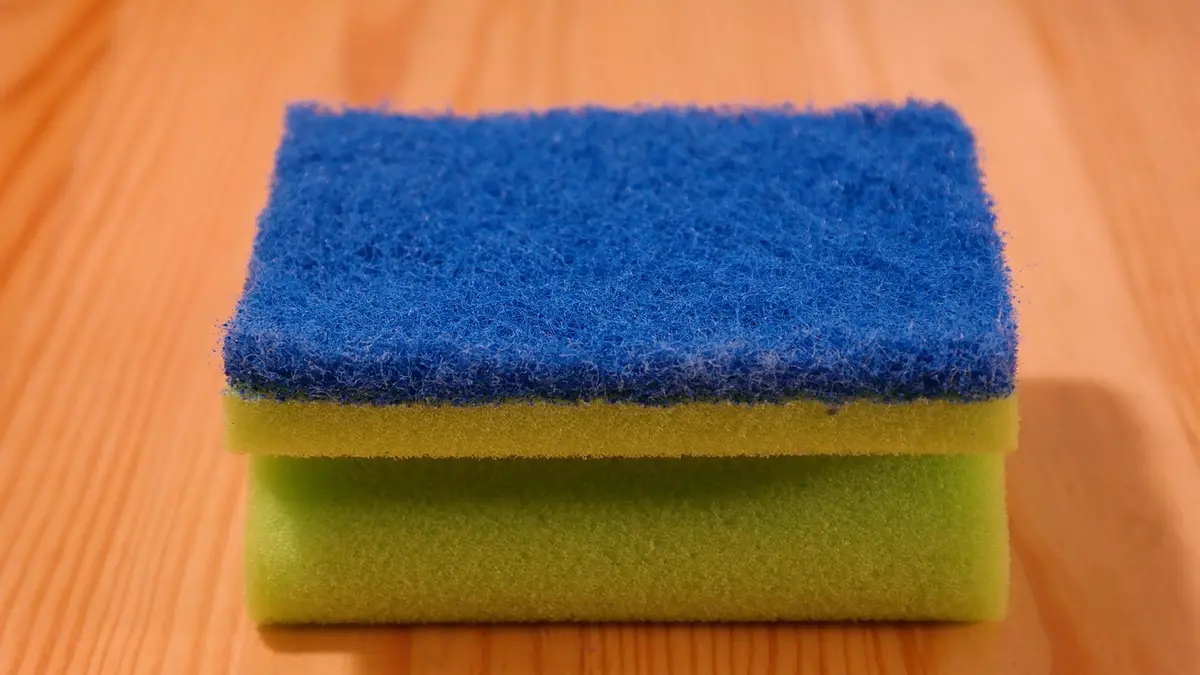
| Rectangular plastic foam kitchen cleaning sponges, subject to classification | 3924 90 00 90 | 6% | None |
Specify the foam, cleaning surface and treatment
Specify the polymer, foam density, pore structure, dimensions, dry thickness and wet firmness. Agree compression recovery, water uptake and rinsing performance against an approved sample. Identify every bonded layer, adhesive, pigment and added cleaning substance. State the intended cookware and worktop surfaces, including any coatings that could scratch.
Consumer products supplied in Great Britain must be safe under normal or reasonably foreseeable use. Agree an assessment of tearing, loose fragments, colour transfer and intended cleaning conditions. Keep the approved sample and assessment linked to the actual formulation and supplied batch.
Ask whether the sponge contains a biocidal treatment and request its identity and purpose. The person first placing a treated article on the Great Britain market is responsible for its biocidal labelling. Review treatment status, proposed antibacterial wording and supporting evidence before approving packaging through testing and certification.
Worked duty example
Illustrative example, not a quote: Illustrative order: 7,000 rectangular plastic kitchen cleaning sponges under 3924 90 00 90, invoiced at £2,000 free on board, with £600 of freight and insurance to the UK. The customs value is £2,600. Duty at 6% is £156. Import VAT at 20% is charged on the customs value plus duty, £2,756, so it is £551.20. Import taxes total £707.20; a VAT-registered importer can usually reclaim the VAT, so the lasting cost is the £156 of duty. The import duty and VAT guide explains each step.
Inspection checklist
Foam: compare dimensions, pore structure, firmness and recovery with the approved sample, both dry and wet; inspect for uneven cutting, hard inclusions and persistent odour.
Wet durability: soak, squeeze and rub using the agreed detergent and cleaning method; check tearing, crumbling, colour release and separation of any bonded layers.
Surface trial: clean representative cookware and worktop samples under agreed conditions; inspect for scratches, dulling and residue before accepting surface-safety claims.
Packing: check pack contents, product references, batch identification and approved care wording; inspect for trapped moisture and permanent compression. Arrange checks with the quality inspection guide.
Working out your own order? Send us the product on WhatsApp and we reply the same working day: WhatsApp us
What goes wrong
A sponge that feels firm when dry may collapse or tear when wet. A changed foam formulation can alter absorption and recovery, while poorly bonded layers can peel during squeezing. Compare production samples after the agreed wet-use trial rather than judging appearance alone.
A non-scratch claim can fail on coated cookware even when the sponge leaves stainless steel unmarked. Agree the surfaces and cleaning conditions before production. If arrival checks reveal crumbling, colour transfer, unexpected residue or scratching, separate the affected stock and investigate before sale.
Cambridge China Bridge sources these products for UK businesses, checking the factory and the documents before shipment. See factory verification. For repeat volumes, see container programmes.
Frequently asked questions
What is the UK import duty on plastic kitchen cleaning sponges from China?
The supplied facts show 6% under proposed code 3924 90 00 90, with no listed trade remedy, suspension or import control. Confirm classification for the actual composition and construction.
Can I sell kitchen cleaning sponges as antibacterial?
Ask for treatment details and evidence supporting the wording. Review the treatment status and label before sale.
How do I check whether a kitchen sponge scratches cookware?
Trial production samples on the intended cookware and coatings using agreed detergent, pressure and cleaning conditions. Inspect for scratching, dulling and residue. Repeat after the sponge has been used and rinsed.
What should I ask a Chinese sponge factory to specify?
Ask for the polymer, foam density, pore structure, dimensions, wet firmness, bonded layers and added treatments. Approve a sample and agree wet durability, colour-transfer and surface trials before production.