Sourcing ornamental tiger barbs from China
Ornamental tiger barbs from China carry 0% UK duty under the freshwater ornamental fish line, with no anti-dumping duty. Imports into England and Wales need Fish Health Inspectorate permission and an accompanying signed health certificate. Confirm pre-notification and border-check arrangements with the inspectorate before shipping. Cambridge China Bridge sources ornamental tiger barbs.
Buying from China for a business? How our UK China sourcing agent service works · China sourcing agent for small orders and first imports
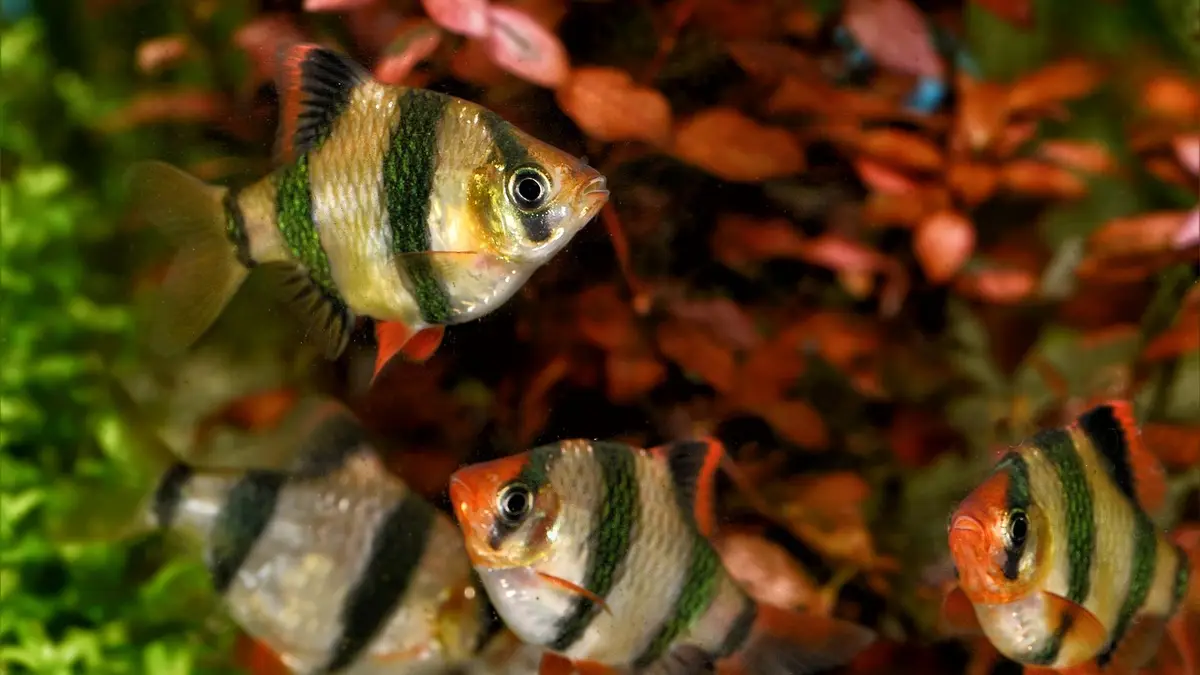
0% duty for freshwater ornamental tiger barbs
Read from the UK Trade Tariff on 29 September 2026, heading 0301 covers live fish. Ornamental tiger barbs fall within freshwater ornamental fish, code 0301 11 00 00, carrying 0% duty for goods from China. This line shows no anti-dumping or countervailing duty and no tariff suspension. The table distinguishes purchasing varieties sharing this code.
The tariff attaches veterinary control, CITES import and export controls, invasive alien species import control and organic-products import control. For imports into England and Wales, obtain Fish Health Inspectorate permission and arrange a health certificate. Confirm pre-notification and border-check arrangements with the inspectorate. The original signed health certificate must accompany the consignment. Ask the inspectorate to confirm the Chinese source and certificate route before booking transport.
The tariff control labels alone do not establish which additional documents your tiger barbs need. Ask your customs broker to confirm CITES, invasive species and organic-control requirements for the exact fish and any organic claims. Confirm the commodity code using species identity and ornamental use. For the wider heading, see our ornamental guppies guide.
| Goods | Commodity code | Duty | Anti-dumping or countervailing duty on China |
|---|---|---|---|
| Standard striped ornamental tiger barbs | 0301 11 00 00 | 0% | None |
Specify tiger barb variety, size and packing
Specify the scientific name supplied by the breeder, colour variety, body-length grade, quantity by variety and acceptable fin condition. Use current batch photographs and video rather than a catalogue image. Agree whether mixed varieties are acceptable and prohibit substitutions without written approval.
Ask for breeding-site details, recent treatment records, holding-water conditions and the proposed bagging and insulated-box arrangement. Agree an arrival inspection and mortality-reporting procedure with the supplier. Prepare receiving tanks and a delay contingency before dispatch.
For pet resale in England, check licensing with the local authority before stocking fish. Commercial selling of animals as pets normally needs a licence. Keep this check separate from import permission.
Worked duty example
Illustrative example, not a quote: Illustrative order only: 1,500 ornamental tiger barbs under 0301 11 00 00, invoiced at £1,500 free on board, with £1,500 of freight and insurance to the UK. The customs value is £3,000. Duty at 0% is £0. Import VAT at 20% is charged on the customs value plus duty, £3,000, so it is £600. With no duty, the only import tax is the VAT, which a VAT-registered importer can usually reclaim. The import duty and VAT guide explains each step. This assumes the goods are standard-rated for VAT. Most food for human consumption is zero-rated, and animal feed can be too, in which case no import VAT is due, so check the rate for your product in HMRC's VAT Notice 701/14.
Inspection checklist
Identity and grade: compare each bag with the ordered tiger barb variety, batch photographs and agreed body-length grade; record mixed or substituted fish.
Fish condition: check swimming, balance, breathing, fins and skin; photograph dead fish, visible lesions and damaged fins before moving stock.
Packing and water: inspect leaks, bag collapse and damaged insulation; measure arrival-water temperature and check water quality before deciding how to acclimatise.
Documents and counts: match the health certificate, invoice and packing list to the shipment; record live and dead counts by bag and variety.
Working out your own order? Send us the product on WhatsApp and we reply the same working day: WhatsApp us
What goes wrong
A mixed batch can contain the wrong colour varieties or uneven sizes. Damaged fins, poor arrival condition and leaking bags can leave otherwise correctly described stock unsuitable for sale. Record the condition promptly and agree how losses and substitutions will be resolved.
Certificate mismatches and transport delays can disrupt receipt of live fish. Check documents before departure and agree who will care for fish if delivery is delayed. Avoid transferring a questionable batch straight into established sale stock.
Cambridge China Bridge sources these products for UK businesses, checking the factory and the documents before shipment. See factory verification. For repeat volumes, see container programmes.
Frequently asked questions
What is the UK import duty on tiger barbs from China?
Freshwater ornamental tiger barbs under 0301 11 00 00 carry 0% duty in the supplied tariff facts, with no anti-dumping or countervailing duty.
Do I need permission to import ornamental tiger barbs?
For England and Wales, Fish Health Inspectorate permission is required. Confirm the Chinese source and health certificate route before making shipping arrangements.
Do green and albino tiger barbs have different tariff codes?
When supplied as live freshwater ornamental fish, these varieties share 0301 11 00 00. Specify and inspect them separately so the shipment matches your order.
What should I check when imported tiger barbs arrive?
Check variety, size grade, live and dead counts, swimming, breathing, fins, skin, bag integrity and arrival-water condition. Photograph problems and compare the shipment with its documents.