Sourcing nickel machining turnings from China
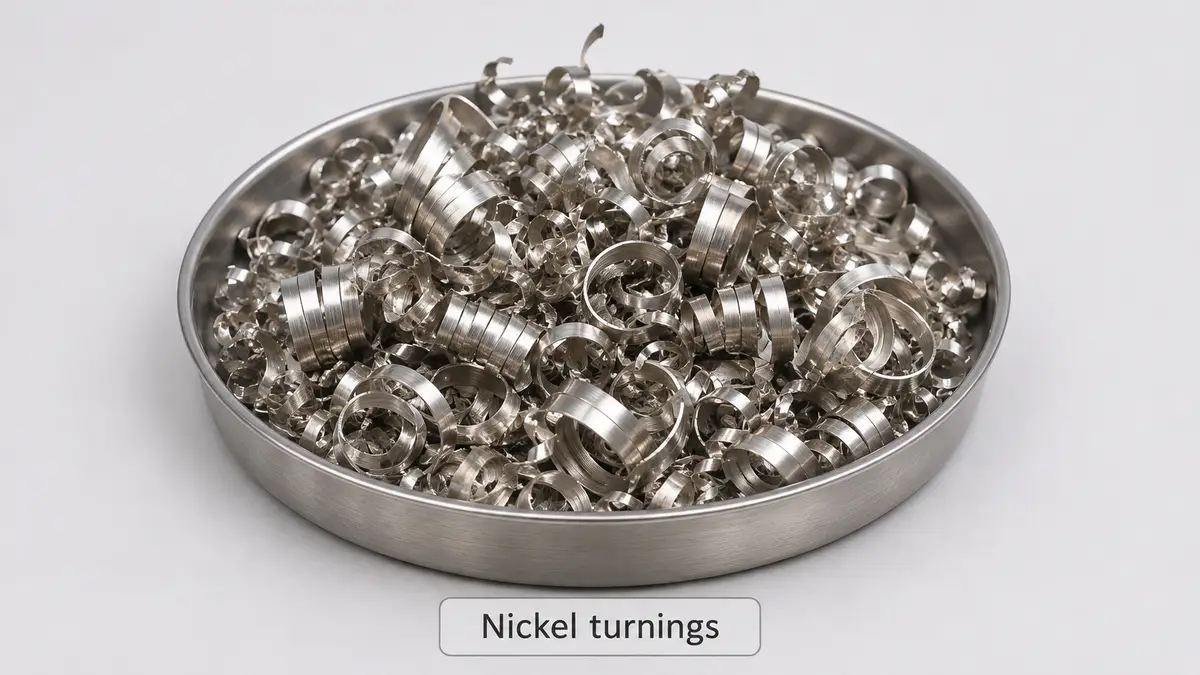
Nickel machining turnings from China pay 0% UK duty, whether unalloyed or alloyed, with no listed trade remedy. They are waste: confirm the shipment procedure and receiving facility's permit before dispatch. Agree alloy segregation, coolant limits and representative sampling. Cambridge China Bridge sources nickel machining turnings.
Buying from China for a business? How our UK China sourcing agent service works · China sourcing agent for small orders and first imports
Duty and waste controls for nickel turnings
Read from the UK Trade Tariff on 13 October 2026, heading 7503 covers nickel waste and scrap, including machining turnings. Unalloyed nickel and nickel alloy scrap both carry 0% duty for goods from China. The supplied tariff facts list no anti-dumping or countervailing duty and no suspensions. The alloy descriptions in the table share the nickel alloy commodity line.
The UK Trade Tariff attaches import and export waste controls to both lines. Confirm the applicable import procedure with your customs broker before booking transport. For China-to-England shipments subject to notification controls, the exporter must apply to the competent authority in China for consent and follow its procedures. Confirm the waste classification, shipment paperwork and receiving facility's permit before dispatch.
Keep unalloyed nickel separate from nickel alloys and confirm the commodity code using the composition and scrap description. The customs code alone does not settle the waste procedure. See the wider nickel scrap guide for other scrap forms.
| Goods | Commodity code | Duty | Anti-dumping or countervailing duty on China |
|---|---|---|---|
| Unalloyed nickel machining turnings | 7503 00 10 00 | 0% | None |
| Nickel alloy machining turnings | 7503 00 90 00 | 0% | None |
Specify the alloy, coolant and settlement basis
Specify whether the turnings are unalloyed nickel or a named nickel alloy. Require segregation by source material and machining batch, supported by material records and lot-specific assay results. Agree limits for iron, copper, cobalt and other relevant elements, rather than accepting a supplier's general description of nickel swarf.
Describe loose or compacted condition, chip size, fines, residual coolant, oil, moisture and foreign material. Agree packaging that retains the turnings and prevents leakage. Define sampling across the lot, the assay laboratory, sealed retained samples and an umpire analysis procedure. State whether settlement uses dry metal weight and how coolant, moisture and packaging are deducted.
Worked duty example
Illustrative example, not a quote: Illustrative order: 10 tonnes of unalloyed nickel machining turnings for a remelting business under 7503 00 10 00, invoiced at £120,000 free on board, with £3,000 of freight and insurance to the UK. The customs value is £123,000. Duty at 0% is £0. Import VAT at 20% is charged on the customs value plus duty, £123,000, so it is £24,600. With no duty, the only import tax is the VAT, which a VAT-registered importer can usually reclaim. The import duty and VAT guide explains each step.
Inspection checklist
Identity: compare source-material records with independent alloy checks and lot-specific assay results; look for mixed grades.
Contamination: inspect inside the packing for coolant, oil, moisture, rust, grinding debris and foreign metal.
Weight and sampling: witness weighing, record packaging tare and sample across the lot rather than only its surface.
Arrival records: match package labels, assay reports and waste paperwork to the delivered lot; photograph condition before unloading or blending.
Working out your own order? Send us the product on WhatsApp and we reply the same working day: WhatsApp us
What goes wrong
Mixed machining bins can turn a segregated alloy order into an uncertain melt feed. A surface sample can miss foreign metal deeper in the packing. Wet or oily turnings inflate delivered weight, while the assay and invoice may use different weight bases.
Agree deductions and rejection terms before payment, retain sealed samples and check the waste procedure before dispatch. Paperwork that does not match the material or receiving facility can hold up the shipment. Use the inspection guide to brief independent checks.
Cambridge China Bridge sources these products for UK businesses, checking the factory and the documents before shipment. See factory verification. For repeat volumes, see container programmes.
Frequently asked questions
What is the UK import duty on nickel machining turnings from China?
Both unalloyed nickel turnings and nickel alloy turnings carry 0% duty in the supplied tariff facts. No anti-dumping or countervailing duty is listed.
Do nickel turnings need waste shipment paperwork?
Yes, these scrap imports are subject to waste controls. Confirm the classification, applicable procedure and receiving facility's permit before shipping. Notification-controlled imports into England start with the exporter applying in China.
Can I buy oily nickel machining turnings?
Do not accept them solely on alloy content. Agree residual coolant and oil limits, check the actual lot and confirm how contamination affects its waste classification and the receiving facility's acceptance.
How should I check the nickel content of turnings?
Agree representative sampling across the lot and an independent laboratory assay. Keep sealed samples for disputes and define whether payment uses dry metal weight, with deductions for coolant, moisture and packaging.