Sourcing nickel-based superalloy scrap from China
Nickel-based superalloy scrap from China carries 0% UK duty under the nickel alloy scrap line, with no trade remedy recorded. Waste shipment controls still apply: confirm the waste classification, shipment procedure and receiving facility before dispatch. Cambridge China Bridge sources nickel-based superalloy scrap.
Buying from China for a business? How our UK China sourcing agent service works · China sourcing agent for small orders and first imports
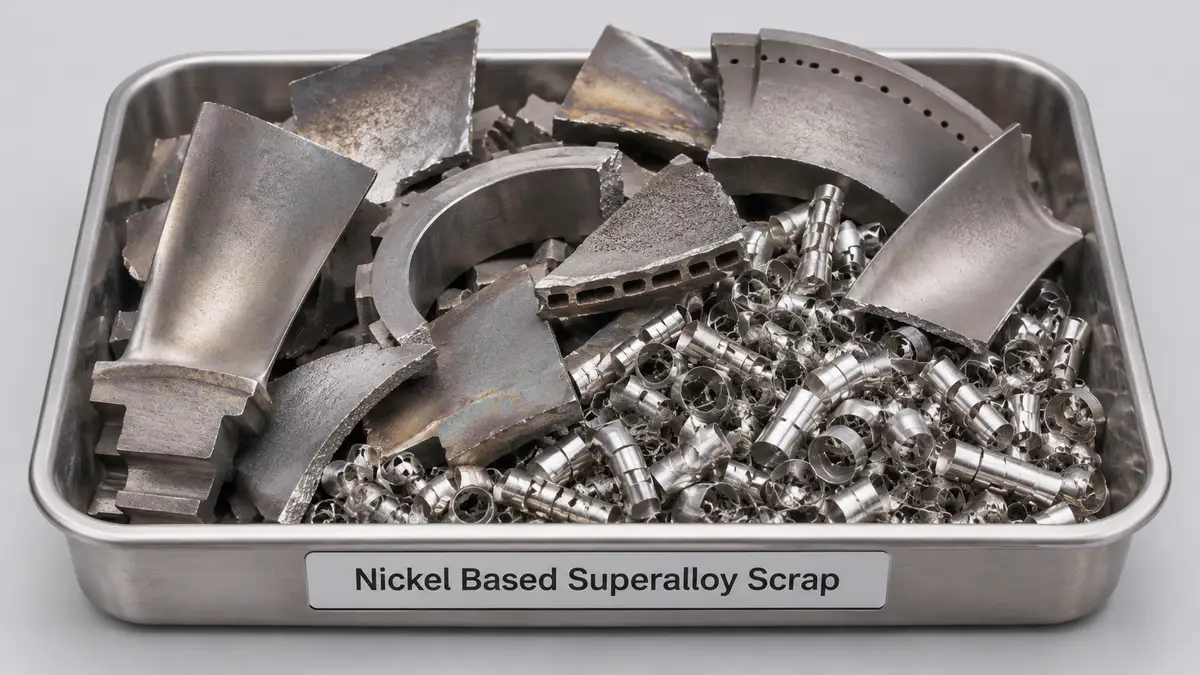
Duty and waste shipment controls
Read from the UK Trade Tariff on 15 November 2026, heading 7503 covers nickel waste and scrap. Nickel-based superalloy scrap falls within the nickel alloy scrap line, 7503 00 90 00, carrying 0% duty for goods from China. No anti-dumping or countervailing duty or suspension is recorded. The table shows different scrap forms sharing this commodity line.
The tariff attaches import and export waste controls. Confirm with your customs broker and waste regulator which procedure applies to the actual Chinese consignment. For imports into England under notification controls, the dispatch, destination and transit authorities must consent before shipment. Where green list controls apply, the Annex VII document must be completed, signed and accompany the waste throughout its journey.
Confirm the alloy composition and scrap condition using our commodity code guide. Agree the waste classification, shipment paperwork and receiving facility's permit before dispatch. Our nickel scrap guide covers the wider heading.
| Goods | Commodity code | Duty | Anti-dumping or countervailing duty on China |
|---|---|---|---|
| Nickel-based superalloy solid scrap | 7503 00 90 00 | 0% | None |
Specify alloy chemistry and scrap history
Specify the named alloy, scrap source and form, keeping solids, casting returns and turnings separate. Agree nickel content and limits for chromium, cobalt, molybdenum, tungsten, aluminium, titanium and unwanted elements to suit the receiving melt shop. Describe coatings, attached materials and any previous service exposure.
Set acceptance criteria for oil, coolant, moisture, foreign metal, piece size and packing. Agree representative sampling, laboratory analysis, sealed retained samples and how disputed assays will be resolved. Ask for sorting and batch records rather than accepting a grade name on an invoice.
Worked duty example
Illustrative example, not a quote: 2 tonnes of sorted nickel-based superalloy solid scrap, illustrative only under 7503 00 90 00, invoiced at £46,000 free on board, with £900 of freight and insurance to the UK. The customs value is £46,900. Duty at 0% is £0. Import VAT at 20% is charged on the customs value plus duty, £46,900, so it is £9,380. With no duty, the only import tax is the VAT, which a VAT-registered importer can usually reclaim. The import duty and VAT guide explains each step.
Inspection checklist
Identity: compare batch tags and source records with the agreed alloy; screen pieces from across each lot with a handheld analyser and confirm chemistry by the agreed laboratory method.
Contamination: inspect turnings for coolant and moisture, and solids for coatings, ceramic fragments, attachments and mixed metals; arrange radiation screening.
Weight and sampling: witness weighing, check packaging deductions and take representative samples from the delivered lot; seal samples for independent and disputed analysis.
Documents: match the actual scrap, batch identity and receiving site to the agreed waste paperwork and acceptance specification. See our inspection guide.
Working out your own order? Send us the product on WhatsApp and we reply the same working day: WhatsApp us
What goes wrong
A mixed lot can look consistent while containing different superalloys or lower-value nickel alloys. A selected clean sample can conceal oily turnings or coated material elsewhere in the load. Specify how the whole lot will be sampled and how contamination deductions will be assessed.
Waste documents can describe a cleaner or differently sorted material than the shipment contains, causing delays or rejection. Resolve the waste procedure and receiving site's acceptance before booking transport, and reconcile the arrival inspection with the supplier's assay.
Cambridge China Bridge sources these products for UK businesses, checking the factory and the documents before shipment. See factory verification. For repeat volumes, see container programmes.
Frequently asked questions
What is the UK import duty on nickel-based superalloy scrap from China?
The supplied tariff reading shows 0% for nickel alloy scrap under 7503 00 90 00, with no anti-dumping or countervailing duty or suspension recorded.
Does zero duty mean I can import superalloy scrap without waste paperwork?
No. Waste controls apply separately. Confirm the procedure before shipping. Notification controls require authority consent; green list controls require a completed and signed Annex VII document travelling with the waste.
Can I buy mixed nickel-based superalloy scrap?
Only agree a mixed lot if the receiving melt shop accepts its composition and sorting. Specify permitted alloy families, sampling and assay settlement rather than relying on an average nickel content.
How should I check superalloy turnings on arrival?
Check alloy identity across the lot, coolant, oil, moisture and foreign material. Witness weighing and representative sampling, then compare the laboratory assay with the contractual acceptance limits.