Sourcing muffin baking mixes from China
Muffin baking mixes from China under 1901 20 00 00 carry 6% UK duty, with no duty variation between the listed flavours. Dairy-containing mixes cannot be imported into Great Britain under the China animal-product safeguard. Check the full recipe before ordering. Cambridge China Bridge sources muffin baking mixes.
Buying from China for a business? How our UK China sourcing agent service works · China sourcing agent for small orders and first imports
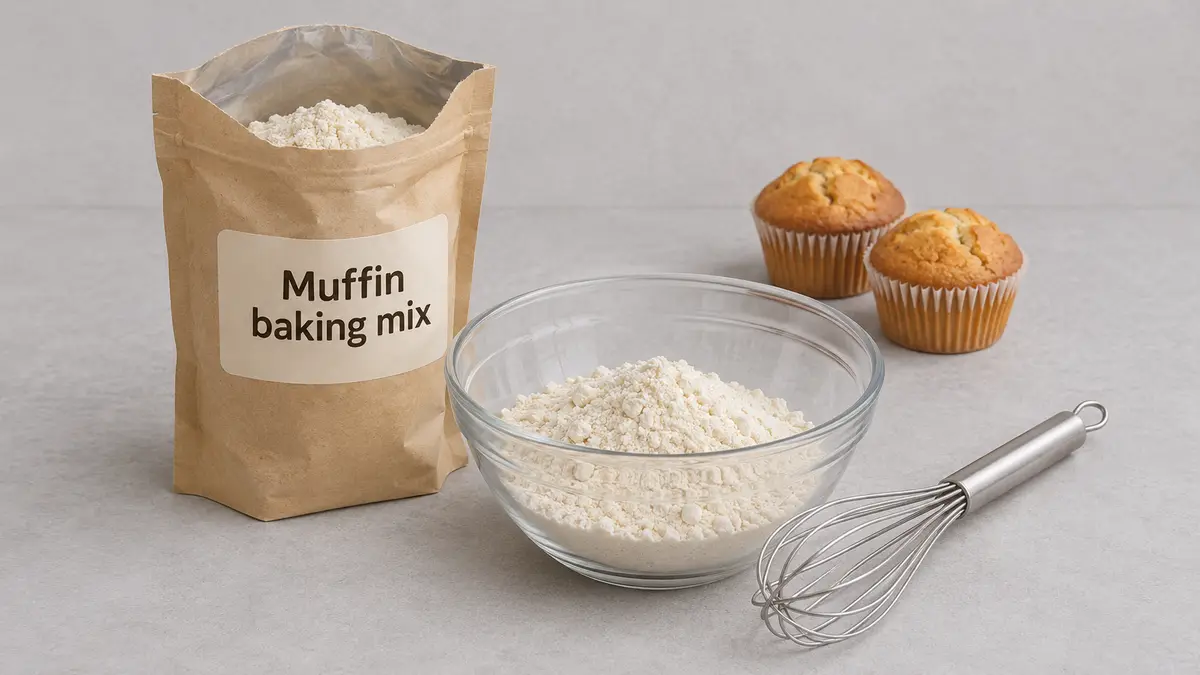
Muffin mix duty and ingredient controls
Read from the UK Trade Tariff on 29 September 2026, heading 1901 covers malt extract and specified flour, starch and milk-based food preparations. Its baking-mix line, 1901 20 00 00, covers mixes and doughs for bakers' wares of heading 1905 and carries 6% duty for goods from China. No anti-dumping or countervailing duty or suspension is recorded for this line. The table shows flavour variants sharing that code.
The tariff attaches veterinary control and organic import control. Dairy-containing muffin mixes from China cannot be imported into Great Britain: the official safeguard guidance covers animal ingredients in composite products regardless of their proportion and prohibits dairy products from China regardless of ingredient origin. For egg or other animal ingredients, ask your customs broker to confirm eligibility and the applicable veterinary documents before ordering.
Organic consignments need a separate certificate of inspection, issued by the exporter's control body. Confirm the China-to-Great-Britain arrangements with your organic control body. Give the complete recipe and intended use to your broker when confirming the commodity code. For the wider heading, see sponge cake premixes.
| Goods | Commodity code | Duty | Anti-dumping or countervailing duty on China |
|---|---|---|---|
| Plain muffin baking mix | 1901 20 00 00 | 6% | None |
Specify the muffin recipe and bake method
Define whether the mix needs added egg, oil, milk or only water. Request the full ingredient breakdown, including flavour carriers and fruit preparations, and identify dairy already present in the powder. Agree flour type, sweetness, flavour, inclusion distribution and the intended baked crumb.
Approve a bake trial using your mixer, muffin cases and oven. Record the mixing method, batter resting conditions, portion weight and baking settings. Compare dome shape, crumb, tenderness and fruit distribution with the approved sample. Agree moisture-resistant bags, resealing arrangements and shelf-life evidence.
Confirm food-business registration requirements with your local authority. For retail packs, prepare a draft English label covering the food name, ingredients, emphasised allergens, net quantity, date, storage information and a UK address, and confirm the applicable requirements with your local food enforcement authority. Check the label against the complete recipe, including ingredients within flavourings and inclusions.
Worked duty example
Illustrative example, not a quote: Illustrative order: palletised bags of plain muffin mix for a bakery wholesaler under 1901 20 00 00, invoiced at £14,000 free on board, with £2,000 of freight and insurance to the UK. The customs value is £16,000. Duty at 6% is £960. Import VAT at 20% is charged on the customs value plus duty, £16,960, so it is £3,392. Import taxes total £4,352; a VAT-registered importer can usually reclaim the VAT, so the lasting cost is the £960 of duty. The import duty and VAT guide explains each step. This assumes the goods are standard-rated for VAT. Most food for human consumption is zero-rated, and animal feed can be too, in which case no import VAT is due, so check the rate for your product in HMRC's VAT Notice 701/14.
Inspection checklist
Recipe: compare the batch ingredient declaration with the approved formula, including flavour carriers, fruit preparations and animal ingredients.
Bake performance: bake arrival samples using the agreed method and compare rise, crumb, flavour and inclusion distribution with the approved sample.
Powder and bags: inspect for caking, damp patches, off-odours, insects, damaged seams and leaking seals; compare moisture results with the agreed specification.
Labels and batches: check English artwork, allergen emphasis, pack weights and date coding; match bag and carton batch references to the supplier's documents.
Working out your own order? Send us the product on WhatsApp and we reply the same working day: WhatsApp us
What goes wrong
An apparently simple vanilla mix can contain milk powder or a dairy-based flavour carrier, making import eligibility the first issue to resolve. Replacing milk in the buyer's baking instructions does not remove dairy already present in the imported powder. Settle the complete ingredient declaration before approving production.
Moisture ingress can produce caked powder, while uneven blending or changed raising agents can give inconsistent muffin domes and crumb. Trial production samples, retain an approved comparison sample and repeat the bake test on arrival. Hold batches with unexplained recipe changes or damaged packaging for investigation.
Cambridge China Bridge sources these products for UK businesses, checking the factory and the documents before shipment. See factory verification. For repeat volumes, see container programmes.
Frequently asked questions
What is the UK import duty on muffin mix from China?
The baking-mix line 1901 20 00 00 carries 6% duty for goods from China. No anti-dumping or countervailing duty or suspension is recorded for that line.
Can I import muffin mix containing milk powder from China?
No, dairy-containing mixes from China cannot be imported into Great Britain under the animal-product safeguard, even when the dairy ingredient originated elsewhere.
Do organic muffin mixes need import documents?
Organic consignments need a separate certificate of inspection issued by the exporter's control body. Confirm the arrangements with your organic control body before shipment.
How should I test a muffin mix before ordering?
Use your own mixer, cases and oven with the proposed instructions. Compare dome shape, crumb, flavour and fruit distribution, then repeat the trial with production and arrival samples.