Sourcing molasses from China
Molasses from China carries 0% UK duty across both commodity lines in heading 1703. Organic food consignments entering Great Britain from China need a certificate of inspection; for ordinary food purchases, confirm applicable food business registration, traceability and labelling requirements with the relevant authority. Cambridge China Bridge sources molasses.
Buying from China for a business? How our UK China sourcing agent service works · China sourcing agent for small orders and first imports
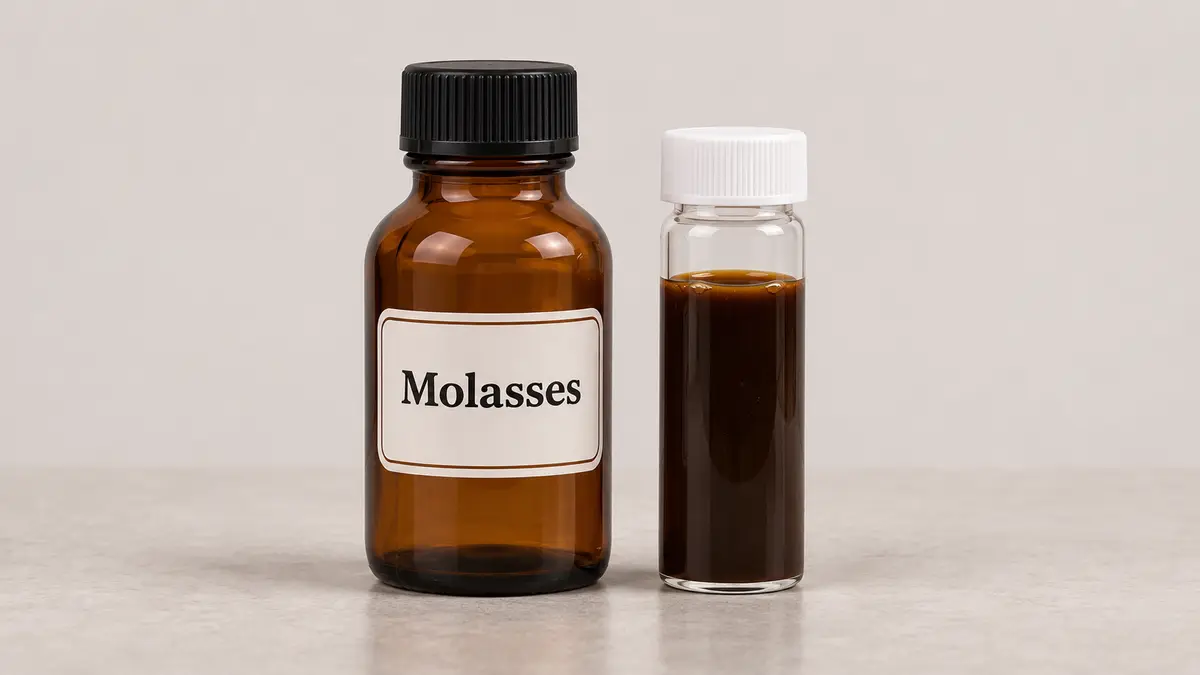
Molasses duty and organic controls
Read from the UK Trade Tariff on 18 November 2026, heading 1703 covers molasses resulting from the extraction or refining of sugar. It separates cane molasses from other molasses. The supplied tariff data contains only the commodity lines shown in the table.
Both lines carry 0% duty for goods from China, with no anti-dumping or countervailing duty and no suspension listed. The tariff attaches an organic import control to both. For organic food entering Great Britain from China, obtain a Great Britain certificate of inspection for each consignment and check the exporter’s control body and export country against the non-UK organic registers.
Confirm the sugar source, manufacturing process and any additions before choosing the commodity code. For food use, confirm applicable food business registration, traceability and legal-name labelling requirements with the relevant authority. Check VAT treatment for the intended use using UK import duty and VAT.
| Goods | Commodity code | Duty | Anti-dumping or countervailing duty on China |
|---|---|---|---|
| Cane molasses | 1703 10 00 00 | 0% | None |
| Other molasses from sugar extraction or refining | 1703 90 00 00 | 0% | None |
Specify the sugar source and solids
Specify cane or beet origin, food or feed use, dry substance, total sugars, ash, colour, flavour and viscosity at an agreed test temperature. State whether preservatives or other ingredients are added. Approve a sample in the recipe or process where the molasses will be used.
Agree batch analysis, microbiological acceptance criteria and packaging suited to unloading equipment. Ask about previous contents and cleaning of reusable containers. Record the agreed sampling method and retain an approved reference sample. Use factory verification to investigate the producer and its process.
Worked duty example
Illustrative example, not a quote: Illustrative order: 20 tonnes of cane molasses under 1703 10 00 00, invoiced at £9,000 free on board, with £1,500 of freight and insurance to the UK. The customs value is £10,500. Duty at 0% is £0. Import VAT at 20% is charged on the customs value plus duty, £10,500, so it is £2,100. With no duty, the only import tax is the VAT, which a VAT-registered importer can usually reclaim. The import duty and VAT guide explains each step. This assumes the goods are standard-rated for VAT. Most food for human consumption is zero-rated, and animal feed can be too, in which case no import VAT is due, so check the rate for your product in HMRC's VAT Notice 701/14.
Inspection checklist
Identity: match the sugar source, product description and batch identifiers against the order and analysis certificate.
Composition: test dry substance, sugars and ash against the agreed specification; compare colour, smell and flavour with the approved sample.
Condition: inspect for leakage, damaged seals, swelling, fermentation odours and unexpected sediment before unloading.
Documents: check batch traceability and the food label; for organic food, check the consignment certificate of inspection. Plan sampling with our quality inspection guide.
Working out your own order? Send us the product on WhatsApp and we reply the same working day: WhatsApp us
What goes wrong
A dark colour alone does not establish molasses quality. Material with different solids, ash or sugar content can change sweetness, fermentation performance and pumping behaviour. A sample that works in a recipe may not represent the shipped batch, so compare shipment samples with the signed specification.
Leaking containers and unexplained fermentation odours need investigation before use. Keep suspect batches separate while testing. Settle organic documentation before dispatch rather than relying on the supplier’s organic wording.
Cambridge China Bridge sources these products for UK businesses, checking the factory and the documents before shipment. See factory verification. For repeat volumes, see container programmes.
Frequently asked questions
What is the UK import duty on molasses from China?
Both cane molasses, 1703 10 00 00, and other molasses, 1703 90 00 00, carry 0% duty in the supplied tariff data. No anti-dumping or countervailing duty is listed.
Can I import organic molasses from China?
For organic food entering Great Britain, obtain a consignment certificate of inspection and check the exporter’s control body and export country against the non-UK organic registers.
What should I specify when buying molasses?
Specify the sugar source, intended use, dry substance, sugars, ash, colour, flavour, viscosity and any additions. Agree packaging and batch testing before ordering.
How do I check molasses on arrival?
Match batch documents, inspect seals and containers, and test composition against the agreed specification. Investigate leakage, swelling, unusual sediment or fermentation odours before use.