Sourcing cane molasses from China
Cane molasses from China carries 0% UK import duty under 1703 10 00 00. Food must be safe for sale, and organic consignments entering Great Britain need a certificate of inspection. Agree the intended use, sugar content and packing before ordering. Cambridge China Bridge sources cane molasses.
Buying from China for a business? How our UK China sourcing agent service works · China sourcing agent for small orders and first imports
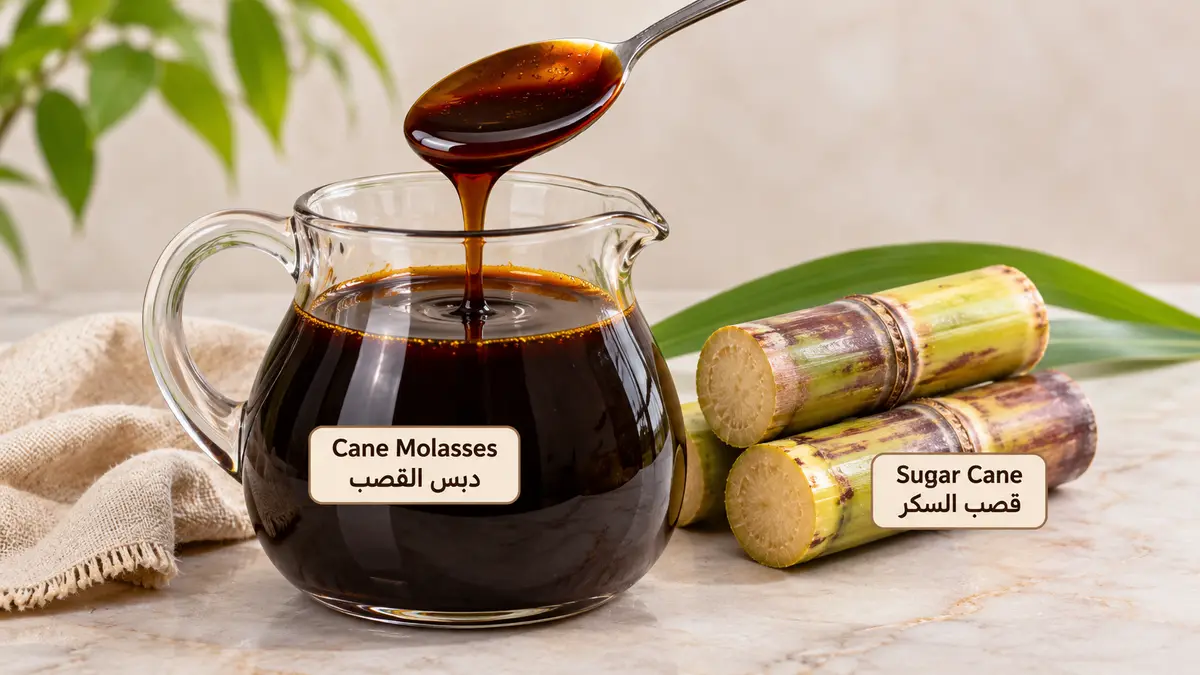
Cane molasses duty and organic controls
Read from the UK Trade Tariff on 29 September 2026, heading 1703 covers molasses resulting from the extraction or refining of sugar. Cane molasses is 1703 10 00 00 and carries 0% duty for goods from China. The supplied tariff record lists no anti-dumping or countervailing duty and no suspension.
The tariff attaches an import control of organic products. Organic cane molasses from China entering Great Britain needs a certificate of inspection for each consignment. Businesses trading in organic products must be certified by an approved UK organic control body. Confirm the supplier's eligibility and shipment documents with that body and your customs broker before dispatch.
The supplied tariff file contains only a single cane-molasses line, shown here. Confirm the commodity code using the production process and composition. See the wider molasses guide for the rest of the heading.
| Goods | Commodity code | Duty | Anti-dumping or countervailing duty on China |
|---|---|---|---|
| Cane molasses | 1703 10 00 00 | 0% | None |
Specify sugar content, flavour and intended use
State whether the molasses is for food, feed or industrial processing. This guide focuses on food use. Specify cane origin, extraction or refining process, total sugars, soluble solids, moisture, ash, acidity, sulphur dioxide and microbiological acceptance criteria. Agree the colour, bitterness and viscosity against an approved sample, with the measurement method and temperature recorded.
For food use, confirm food business registration, traceability and product-name labelling requirements with the relevant local authority. Unsafe food must not be placed on the market. Agree drum or bulk-container construction, liner suitability, closure seals, batch identification and storage instructions. Ask the supplier to explain how it cleans filling equipment and prevents contamination between loads.
Worked duty example
Illustrative example, not a quote: Illustrative order: 20 tonnes of cane molasses in sealed drums under 1703 10 00 00, invoiced at £9,000 free on board, with £1,500 of freight and insurance to the UK. The customs value is £10,500. Duty at 0% is £0. Import VAT at 20% is charged on the customs value plus duty, £10,500, so it is £2,100. With no duty, the only import tax is the VAT, which a VAT-registered importer can usually reclaim. The import duty and VAT guide explains each step. This assumes the goods are standard-rated for VAT. Most food for human consumption is zero-rated, and animal feed can be too, in which case no import VAT is due, so check the rate for your product in HMRC's VAT Notice 701/14.
Inspection checklist
Identity and analysis: match the batch certificate to the order and test a representative sample for the agreed sugars, solids, ash and sulphur dioxide.
Condition: compare colour, odour, flavour and viscosity with the approved sample; investigate foaming, gas, mould, sediment or unexpected separation before accepting the batch.
Packing and weight: inspect closures, seals, leaks and drum damage on arrival, and check delivered net weight against the packing list.
Documents and traceability: match batch marks across containers, analysis reports and delivery records; for organic orders, check the certificate of inspection with your broker before shipment. Use an agreed inspection brief.
Working out your own order? Send us the product on WhatsApp and we reply the same working day: WhatsApp us
What goes wrong
A sample can have the right colour while the production batch differs in sugar content, bitterness or viscosity. Buying by wet weight without controlling solids can mean paying to transport extra water. Request batch-specific analysis and compare samples using the same method and temperature.
Leaking closures, contaminated containers and unexplained gas can leave a batch unsuitable for the intended process. Hold suspect stock for investigation and testing. Settle organic documentation before dispatch, and agree how the supplier will handle batches that fail the written specification.
Cambridge China Bridge sources these products for UK businesses, checking the factory and the documents before shipment. See factory verification. For repeat volumes, see container programmes.
Frequently asked questions
What is the UK import duty on cane molasses from China?
The supplied tariff record shows 0% duty under 1703 10 00 00, with no anti-dumping or countervailing duty and no suspension.
Can I import organic cane molasses from China?
Organic consignments entering Great Britain need a certificate of inspection. Your business needs approved organic control-body certification; confirm supplier eligibility and documents before shipping.
What should a cane molasses specification include?
State intended use, cane origin, sugars, soluble solids, moisture, ash, acidity, sulphur dioxide, microbiology, colour and viscosity. Agree test methods and an approved sample.
How do I check cane molasses on arrival?
Match batch records, inspect seals and leaks, check weight and compare the molasses with the approved sample. Investigate gas, foaming, mould or unexpected separation before accepting it.