Sourcing modal hand-knitting yarn from China
Modal hand-knitting yarn of artificial staple fibre, put up for retail sale, pays 0% UK duty from China, with no additional trade remedy recorded. Consumer yarn must carry its fibre composition using permitted fibre names. Check modal identity, dye lots and metres per ball. Cambridge China Bridge sources modal hand-knitting yarn.
Buying from China for a business? How our UK China sourcing agent service works · China sourcing agent for small orders and first imports
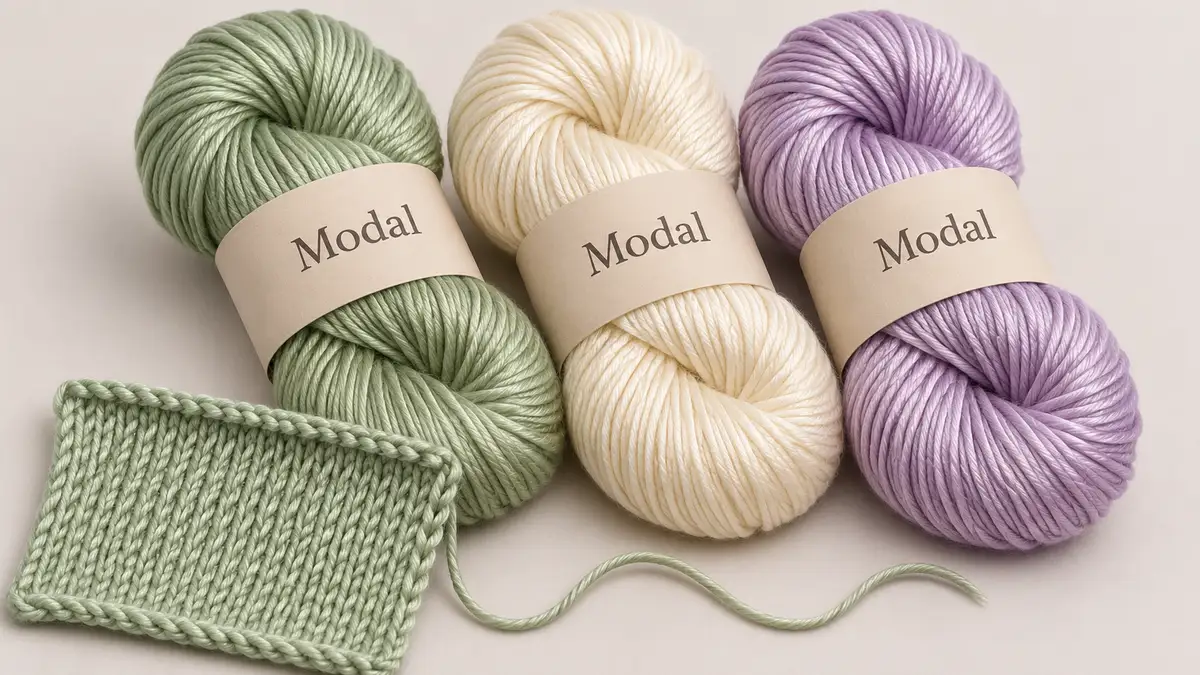
Duty on retail modal yarn
Read from the UK Trade Tariff on 2 October 2026, heading 5511 covers yarn other than sewing thread, made from man-made staple fibres and put up for retail sale. Modal is an artificial cellulose fibre. Retail modal staple yarn falls within 5511 30 00 00; the table shows retail presentations sharing that commodity line.
The duty range across the supplied heading is a flat 0% for goods from China. No anti-dumping or countervailing duty, suspension or attached import control is recorded in the supplied facts. Import VAT is separate from customs duty.
Confirm the commodity code using the actual fibre composition and retail put-up, especially for cotton, wool or synthetic blends. For the wider artificial-fibre retail yarn family, see viscose hand-knitting yarn.
| Goods | Commodity code | Duty | Anti-dumping or countervailing duty on China |
|---|---|---|---|
| Modal hand-knitting yarn in retail balls | 5511 30 00 00 | 0% | None |
Specify modal identity and knitted performance
Write down the modal content and any blending fibres, yarn count, ply construction, twist, net ball weight, metres per ball and winding format. Approve shade samples and a knitted swatch made with the intended needles. Agree the swatch tension, handle, drape and behaviour after washing rather than approving loose yarn alone.
Consumer yarn must show its fibre composition. Confirm the permitted fibre names with Trading Standards. Use modal for verified modal fibre rather than substituting a brand name. Check the factory's fibre records and supporting test evidence before printing ball bands. Match the stated length, dye lot, needle recommendation and care information to the approved sample.
In Great Britain, consumer products must be safe in normal or reasonably foreseeable use. Agree checks for contamination and loose foreign material alongside colour fastness and wash performance. Keep approved swatches and retained yarn from each dye lot for comparison with repeat orders.
Worked duty example
Illustrative example, not a quote: Illustrative order: 4,000 balls of modal hand-knitting yarn, each 100 g under 5511 30 00 00, invoiced at £4,000 free on board, with £500 of freight and insurance to the UK. The customs value is £4,500. Duty at 0% is £0. Import VAT at 20% is charged on the customs value plus duty, £4,500, so it is £900. With no duty, the only import tax is the VAT, which a VAT-registered importer can usually reclaim. The import duty and VAT guide explains each step.
Inspection checklist
Identity and bands: reconcile fibre records, test evidence and the printed composition; check that bands identify the intended modal yarn and dye lot.
Weight and length: condition and weigh sampled balls, check metres against the agreed yarn count and inspect winding for trapped ends, tangles and excessive knots.
Shade and colour: compare samples across cartons with the approved shade and retained lot; test washing and rubbing, especially for dark colours.
Knitted swatches: check splitting, uneven stitches, pilling, dimensional change and drape after the agreed wash. Use the quality inspection guide to brief the inspection.
Working out your own order? Send us the product on WhatsApp and we reply the same working day: WhatsApp us
What goes wrong
A modal description can conceal ordinary viscose or an unagreed blend. Yarn that looks similar on the cone can knit with a different tension or drape. Treat unclear fibre evidence as an unresolved specification issue before approving bands or production.
Mixed dye lots leave visible joins in a garment, short balls interrupt a pattern, and uneven twist makes the yarn split during knitting. Compare arrival samples with retained yarn and washed swatches before releasing stock. Record affected lots so repeat orders do not reproduce the same fault.
Cambridge China Bridge sources these products for UK businesses, checking the factory and the documents before shipment. See factory verification. For repeat volumes, see container programmes.
Frequently asked questions
What is the UK import duty on modal knitting yarn from China?
Retail modal staple-fibre yarn under 5511 30 00 00 carries 0% duty in the supplied tariff facts. No anti-dumping or countervailing duty is recorded.
Can modal yarn use the same code as viscose yarn?
Retail yarn of either artificial staple fibre falls within 5511 30 00 00. Confirm the actual fibre composition and retail put-up before declaring a blend.
What must the modal yarn ball band show?
Consumer yarn must show its fibre composition; confirm the permitted fibre names with Trading Standards. Verify modal identity before printing; also agree weight, metres, dye lot and care information with the factory.
How do I check modal yarn before a repeat order?
Compare the new dye lot with retained yarn, weigh sampled balls and knit a swatch. Wash it using the agreed care method and compare tension, drape, colour and dimensions.