Sourcing men's woven waistcoats from China
Men's woven waistcoats from China carry 12% UK duty across the selected cotton, man-made fibre and other textile lines, with no trade remedy or suspension listed. Fibre composition needs a durable, legible label, and animal materials need control checks. Cambridge China Bridge sources men's woven waistcoats.
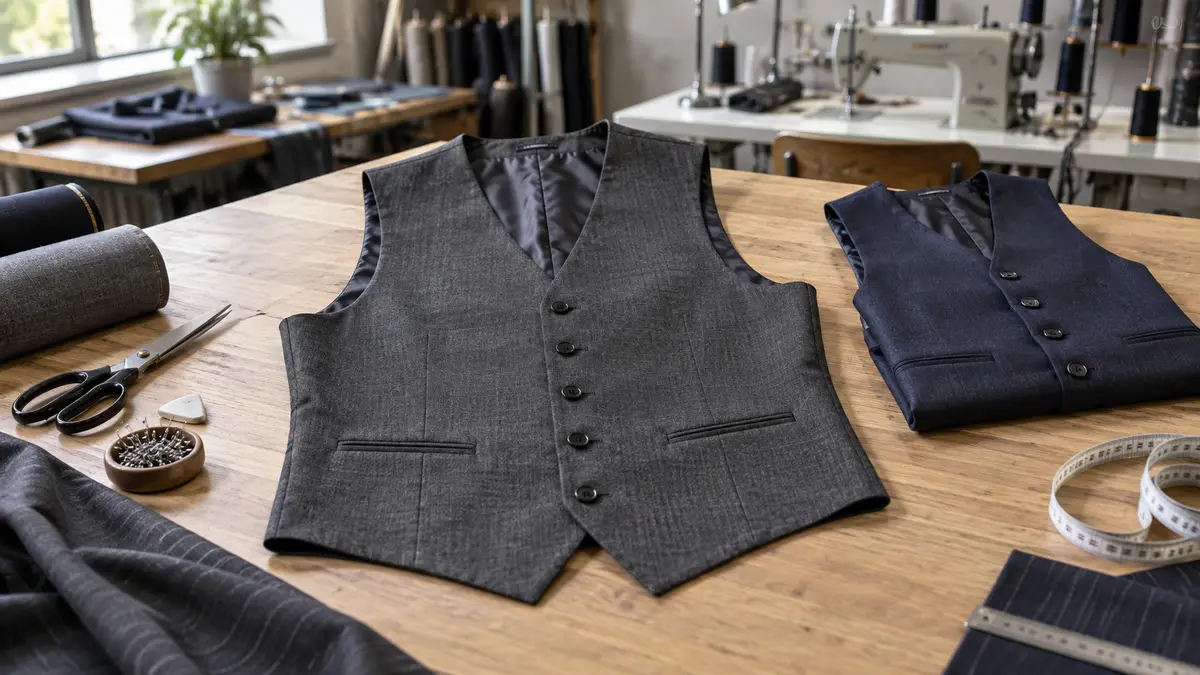
12% duty on men's woven waistcoats
Read from the UK Trade Tariff on 30 September 2026, heading 6211 covers tracksuits, ski suits, swimwear and other garments. This guide selects the other men's garment lines relevant to woven waistcoats. Each selected line carries 12% duty for goods from China, with no anti-dumping or countervailing duty and no suspension listed.
The tariff attaches cat and dog fur and seal-product import controls to the selected lines, and CITES import controls to the other-textile-material lines. Imports containing cat or dog fur are banned. CITES specimens need an import permit. Under the traditional-hunt exemption for Inuit and other indigenous communities, seal products need a seal catch attestation certificate. For a China shipment containing animal materials, ask your customs broker to confirm the species, applicable restrictions and required documents before ordering.
Confirm the commodity code using the complete garment, fabric construction and fibre composition, including any different front and back fabrics. Tell the broker whether the waistcoat is supplied separately or with matching garments. See men's woven suits for the wider tailoring context.
| Goods | Commodity code | Duty | Anti-dumping or countervailing duty on China |
|---|---|---|---|
| Men's woven cotton waistcoats | 6211 32 90 00 | 12% | None |
| Men's woven man-made fibre waistcoats | 6211 33 90 00 | 12% | None |
| Men's woven wool or fine animal hair waistcoats | 6211 39 00 10 | 12% | None |
| Men's woven waistcoats of other textile materials | 6211 39 00 90 | 12% | None |
Specify the front, back, lining and fit
Specify the front fabric, back fabric and lining separately, with fibre composition, weave, weight and colour references. Define the neckline, front points, pocket construction, button arrangement, back adjuster and interfacing. For matching tailoring, approve the waistcoat fabric beside the jacket and trousers under the same lighting.
Agree chest and waist measurements, front and back lengths, armhole shape and measurement tolerances for each size. Try the sample over the intended shirt while sitting and reaching. Specify the care instructions and check colour transfer and dimensional change using the proposed cleaning method. For women's styles, see our women's woven waistcoats sourcing guide.
Fibre composition must be labelled; confirm label durability and legibility requirements with Trading Standards. Where components have different fibre contents, their contents must be shown separately. UK businesses importing or selling consumer products are responsible for their safety. Include checks for sharp buckle edges and damaged buttons in the acceptance brief.
Worked duty example
Illustrative example, not a quote: 500 men's woven man-made fibre waistcoats; illustrative order, FOB value and freight under 6211 33 90 00, invoiced at £6,000 free on board, with £800 of freight and insurance to the UK. The customs value is £6,800. Duty at 12% is £816. Import VAT at 20% is charged on the customs value plus duty, £7,616, so it is £1,523.20. Import taxes total £2,339.20; a VAT-registered importer can usually reclaim the VAT, so the lasting cost is the £816 of duty. The import duty and VAT guide explains each step.
Inspection checklist
Fit: measure each supplied size against the approved chart; check the buttoned front lies flat and the armholes do not pinch over a shirt.
Fabric and lining: compare shade and texture with the approved sample; check stripe alignment, lining tension, seam slippage and puckering around pockets.
Buttons and adjuster: operate the fastenings, check button attachment and buttonholes, and confirm the back buckle grips without sharp edges.
Labels and packing: compare fibre labels with composition records, check agreed care instructions and size labels, and inspect for dampness and pressing marks. Use the quality inspection guide to define acceptance checks.
Working out your own order? Send us the product on WhatsApp and we reply the same working day: WhatsApp us
What goes wrong
A waistcoat can fit when standing but gape at the buttons when seated. Short fronts expose the shirt above the trouser waistband, while tight armholes restrict movement. A lining cut too small pulls the outer fabric into folds. Approve fit in use before accepting the size set.
Bulk fabric can differ from the matching jacket, pocket welts can twist, and pressing can leave shine on dark cloth. Substituted back or lining fabric can also make the agreed label inaccurate. Keep an approved garment and fabric samples for comparison with production.
Cambridge China Bridge sources these products for UK businesses, checking the factory and the documents before shipment. See factory verification. For own-brand ranges, see sourcing for brands.
Frequently asked questions
What is the UK import duty on men's woven waistcoats from China?
The selected lines carry 12% duty for goods from China. The supplied tariff facts list no anti-dumping or countervailing duty and no suspension for these lines.
Do men's waistcoats need a fibre composition label?
Yes. Fibre composition needs labelling; confirm label durability and legibility requirements with Trading Standards. Where components have different fibre contents, show their contents separately and check the wording against the supplied fabrics.
What should I specify for a lined waistcoat?
Specify front, back and lining fabrics separately, then the size chart, neckline, front length, pockets, buttons, back adjuster, interfacing and care instructions.
How do I check a waistcoat matches a suit?
Compare approved fabric and finished garments together under the same lighting. Check shade, weave, pattern alignment and the overlap with the trouser waistband while standing and sitting.