Sourcing marigold seeds from China
Marigold seeds for sowing from China carry 2% UK duty under the flower-seed line, with no duty variation across the presentations covered here. Confirm botanical identity and plant health status before shipment. Movements of ornamental seed need a supplier document. Cambridge China Bridge sources marigold seeds for sowing.
Buying from China for a business? How our UK China sourcing agent service works · China sourcing agent for small orders and first imports
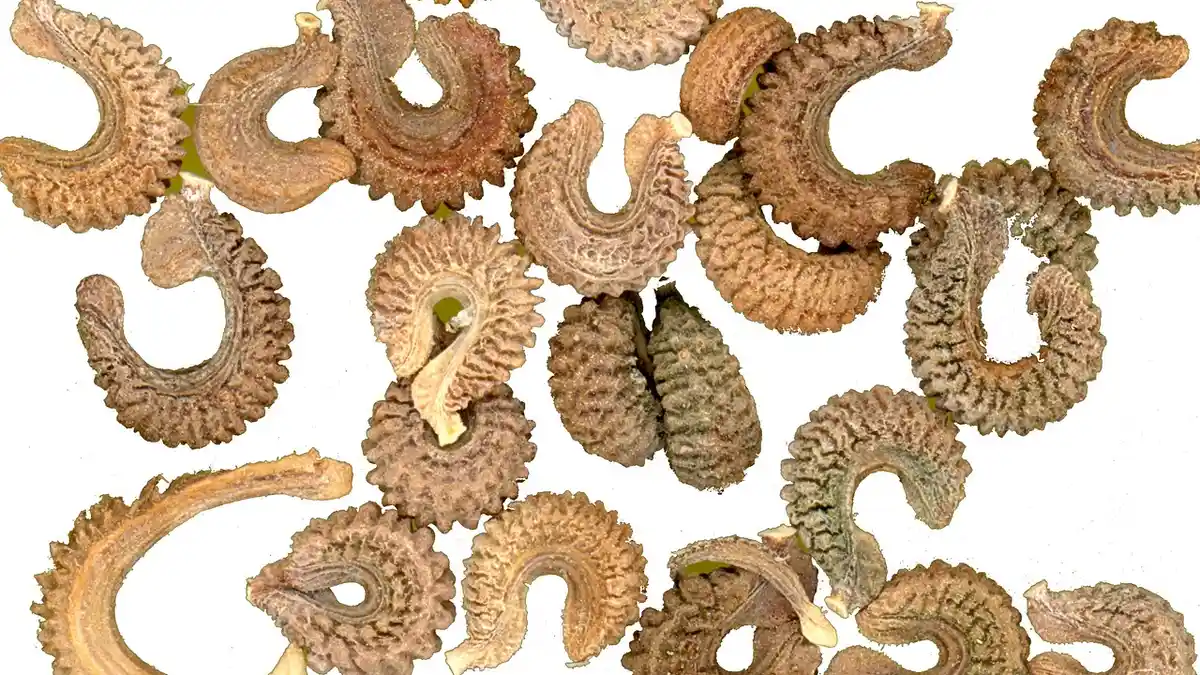
Marigold seed duty and import controls
Read from the UK Trade Tariff on 29 September 2026, heading 1209 covers seeds, fruit and spores used for sowing. Marigold seeds cultivated principally for their flowers fall within 1209 30 00 00, carrying 2% duty for goods from China. The supplied tariff record shows no anti-dumping or countervailing duty and no suspension on this line. The table shows different presentations of the same commodity line.
The UK Trade Tariff attaches CITES import and export controls and an organic import control to this line. Confirm whether the botanical species and seed material are covered by CITES and what documents are needed with your customs broker. For an organic order, confirm the certificate of inspection requirement with your broker and approved UK organic control body before shipment.
Confirm the commodity code using the botanical name and sowing use. Check the plant health risk category for the species and Chinese origin before dispatch; low-risk plants and plant products are exempt from plant health controls. This guide does not establish the risk category of a particular marigold lot. See the wider sowing-seeds guide for other products.
| Goods | Commodity code | Duty | Anti-dumping or countervailing duty on China |
|---|---|---|---|
| Marigold seeds for sowing, yellow-flowered varieties | 1209 30 00 00 | 2% | None |
Specify the marigold variety and seed lot
Put the botanical name, cultivar, flower colour, plant habit and intended sowing use in the purchase specification. Do not rely on a translated common name or a flower photograph. Specify whether the order is a named variety or a colour mixture, and agree how a grow-out sample will be compared with the description.
Agree germination and purity acceptance criteria, the test method, sampling arrangements and how results link to the supplied lot. Ask for harvest and test dates, storage history and details of any seed treatment. Specify moisture-resistant packing, packet fill and batch identification. These are purchasing checks, rather than stated statutory germination limits.
For onward movements in Great Britain, official guidance requires a supplier document for ornamental plant propagating material, including seeds. Arrange this before distributing the stock.
Worked duty example
Illustrative example, not a quote: Illustrative order: 20 kg of marigold seeds for a garden seed packer under 1209 30 00 00, invoiced at £2,500 free on board, with £900 of freight and insurance to the UK. The customs value is £3,400. Duty at 2% is £68. Import VAT at 20% is charged on the customs value plus duty, £3,468, so it is £693.60. Import taxes total £761.60; a VAT-registered importer can usually reclaim the VAT, so the lasting cost is the £68 of duty. The import duty and VAT guide explains each step. This assumes the goods are standard-rated for VAT. Most food for human consumption is zero-rated, and animal feed can be too, in which case no import VAT is due, so check the rate for your product in HMRC's VAT Notice 701/14.
Inspection checklist
Identity: match the botanical name, cultivar and colour description across the order, packet artwork, supplier records and retained sample.
Germination: draw a representative arrival sample and test against the agreed acceptance criteria; match the supplier's report to the actual lot.
Condition: check for mould, insects, damp packing, damaged seed and foreign material; keep suspect stock separate while investigating.
Packing: check seals, fill quantity and batch identification, and reconcile the delivered lots with the agreed documents. Plan sampling with the quality inspection guide.
Working out your own order? Send us the product on WhatsApp and we reply the same working day: WhatsApp us
What goes wrong
A flower photograph can conceal a different cultivar, an unsuitable plant habit or a mixture supplied as a named variety. Seed appearance alone cannot confirm eventual flower colour. Use a grow-out sample to assess these characteristics before committing to a repeat order.
Old or damp seed can give poor emergence even when the packet looks correct. A germination report from another lot does not establish the delivered lot's performance. Keep samples and batch records, and agree how failed germination, mixed varieties and damaged packing will be investigated.
Cambridge China Bridge sources these products for UK businesses, checking the factory and the documents before shipment. See factory verification. For repeat volumes, see container programmes.
Frequently asked questions
What is the UK import duty on marigold seeds from China?
The supplied tariff record, read on 29 September 2026, gives 2% duty under 1209 30 00 00, with no anti-dumping or countervailing duty and no suspension.
Do marigold seeds need a phytosanitary certificate?
Confirm the plant health risk category for the botanical species and Chinese origin before shipping. Low-risk plants and plant products are exempt from plant health controls; this guide does not assign your lot a category.
Do marigold seeds need CITES paperwork?
The tariff line carries a CITES control. Give your broker the botanical name and seed description to confirm whether the material is covered and which documents are needed.
How do I check marigold seed quality?
Test a representative sample for germination and purity against the contract. Check lot identity, moisture damage and packing, and use a grow-out sample to assess flower colour and plant habit.
Sources
- UK Trade Tariff — commodity codes and duty
- Import plants and plant products from non-EU countries to Great Britain
- Issue plant passports to move regulated plant material in Great Britain
- Check if you need a CITES permit to import or export endangered species
- Importing organic food, feed and seed to the UK
- HMRC — Food products (VAT Notice 701/14)