Sourcing locust bean pods from China
Locust bean pods from China carry 0% UK import duty, with no anti-dumping or countervailing duty in the supplied tariff snapshot. Pods imported for eating must meet general food safety requirements. Organic consignments need a certificate of inspection. Cambridge China Bridge sources locust bean pods.
Buying from China for a business? How our UK China sourcing agent service works · China sourcing agent for small orders and first imports
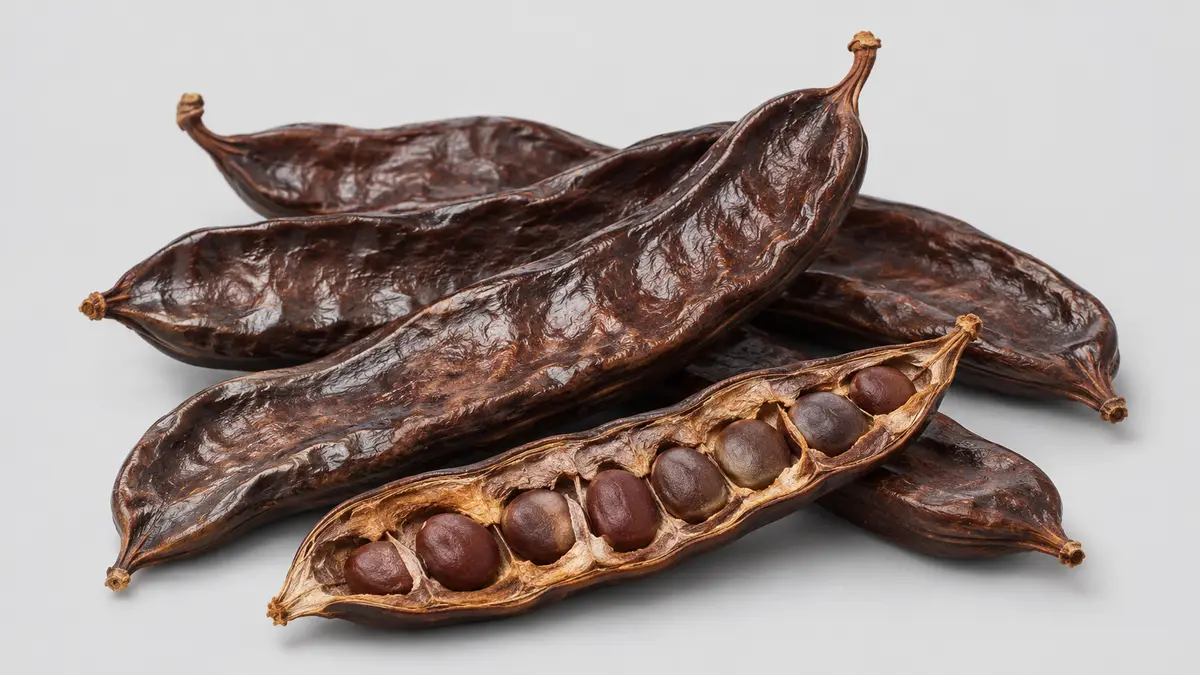
Zero duty on locust bean pods
Read from the UK Trade Tariff on 30 September 2026, locust beans, also called carob, under 1212 92 00 00 carried 0% duty for goods from China. Heading 1212 covers these pods alongside other vegetable products. The table distinguishes pod supply forms sharing this code and includes separate seeds for comparison.
The supplied snapshot records no anti-dumping or countervailing duty and no suspension on the pod line. It attaches an organic import control. For organic pods from China entering Great Britain, each consignment needs an organic certificate of inspection, issued by the exporter’s control body in the country of export.
Describe the plant part and processing accurately when confirming the commodity code. Whole pods, pod meal and separately supplied seeds need clear descriptions. For the related ingredient and wider heading context, see locust bean gum.
| Goods | Commodity code | Duty | Anti-dumping or countervailing duty on China |
|---|---|---|---|
| Whole dried locust bean pods | 1212 92 00 00 | 0% | None |
| Separate locust bean seeds, not decorticated, crushed or ground | 1212 99 41 00 | 0% | None |
Specify pod form, seed content and processing
Specify carob pods rather than relying on the name locust bean alone. Agree whole or broken pods, whether seeds remain, dried or ground form, and whether any roasting has occurred. Record the growing country separately from the Chinese supplier’s address. Approve a sample for colour, aroma, sweetness and suitability for your milling or extraction process.
Agree moisture, foreign matter, insect damage, particle size where relevant, and packaging that keeps the pods dry. Food intended for human consumption must meet general food safety legal requirements. Ask a food laboratory to propose testing appropriate to the intended use and the supplier’s drying, storage and treatment history.
Worked duty example
Illustrative example, not a quote: Illustrative order: 500 kg of dried whole locust bean pods for food processing under 1212 92 00 00, invoiced at £2,500 free on board, with £900 of freight and insurance to the UK. The customs value is £3,400. Duty at 0% is £0. Import VAT at 20% is charged on the customs value plus duty, £3,400, so it is £680. With no duty, the only import tax is the VAT, which a VAT-registered importer can usually reclaim. The import duty and VAT guide explains each step. This assumes the goods are standard-rated for VAT. Most food for human consumption is zero-rated, and animal feed can be too, in which case no import VAT is due, so check the rate for your product in HMRC's VAT Notice 701/14.
Inspection checklist
Identity: compare pods and cut sections with the approved sample; check that seed content and processing match the purchase specification.
Condition: check for mould, insect holes, webbing, damp patches, unusual odours and stones; measure moisture on samples drawn across the lot.
Processing: check broken material and dust against the agreed grade; trial ground material in your process before accepting a changed specification.
Packaging and records: check dry bags, intact liners and matching lot references on bags, invoices and test reports. For organic orders, match the consignment to its certificate of inspection.
Working out your own order? Send us the product on WhatsApp and we reply the same working day: WhatsApp us
What goes wrong
A pod sample can hide a bulk lot containing excessive seeds, dust or foreign matter. Different drying or roasting changes colour and flavour, while damp storage can produce mould and musty odours. Keep a sealed reference sample and compare the shipment before blending it into other stock.
A Chinese seller’s location does not establish where the pods were grown. Unclear origin, processing descriptions or organic paperwork can leave the buyer unable to reconcile the order with its documents. Resolve discrepancies before shipment and isolate suspect bags on arrival.
Cambridge China Bridge sources these products for UK businesses, checking the factory and the documents before shipment. See factory verification. For repeat volumes, see container programmes.
Frequently asked questions
What is the UK import duty on locust bean pods from China?
The supplied tariff snapshot gives 0% duty under 1212 92 00 00, with no anti-dumping or countervailing duty and no suspension.
Are carob pods the same as locust bean gum?
No. Specify pods, their seed content and processing. Do not accept a gum specification or gum sample as evidence of pod quality.
What documents do organic carob pods need?
Organic consignments from China entering Great Britain need an organic certificate of inspection, issued by the exporter’s control body in the country of export.
How do I check a dried carob shipment?
Compare it with the approved sample, measure moisture, inspect for mould and insects, check seed content and foreign matter, and match bag lot references to the shipment records.