Sourcing sulphur dioxide batteries from China
Lithium sulphur dioxide primary batteries from China carry 4% UK duty across the relevant cylindrical and other-lithium lines. Check compliance with UK battery labelling rules, and confirm applicable composition and dangerous-goods transport requirements with the relevant authority and carrier. Cambridge China Bridge sources lithium sulphur dioxide primary batteries.
Buying from China for a business? How our UK China sourcing agent service works · China sourcing agent for small orders and first imports
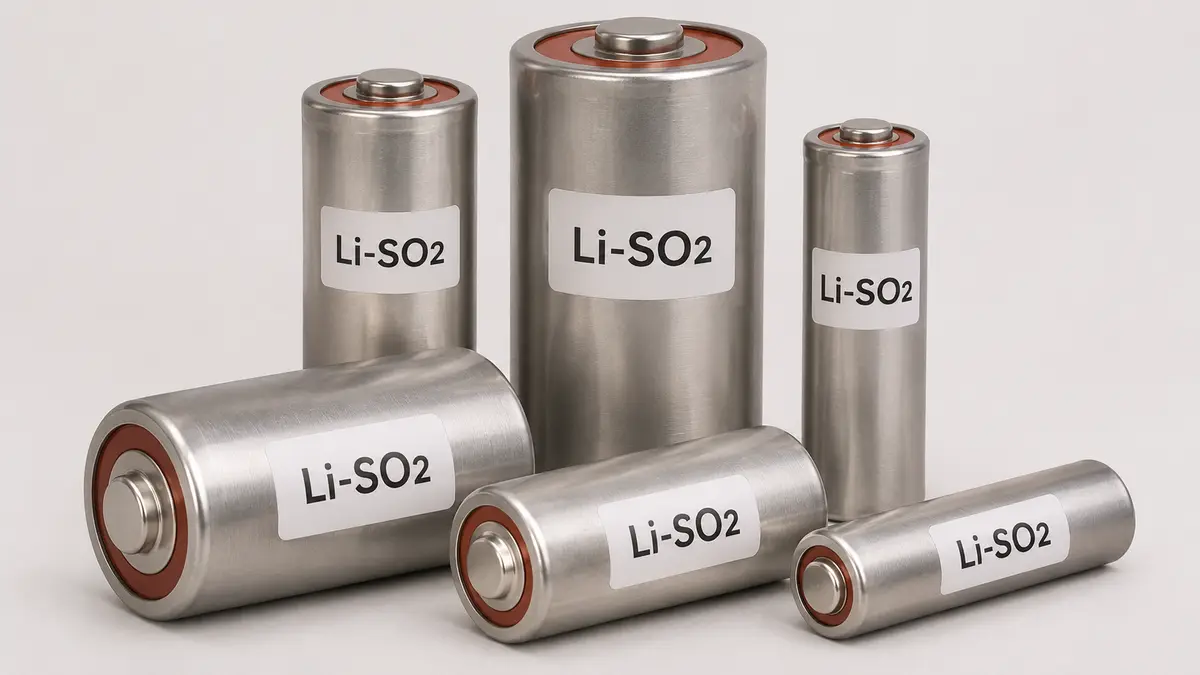
UK duty on lithium sulphur dioxide batteries
Read from the UK Trade Tariff on 1 October 2026, heading 8506 covers primary cells and primary batteries. Lithium sulphur dioxide cylindrical cells fall within 8506 50 10 00; other lithium primary batteries may fall within 8506 50 90 90. The table separates terminal options within the cylindrical-cell line. Confirm the construction of an assembled battery before declaring it.
Both relevant lines carry 4% duty for goods from China. The supplied tariff record lists no anti-dumping or countervailing duty and no suspension for these lines. Suspensions for other lithium chemistries do not cover lithium sulphur dioxide batteries. Both lines attach an export control of mercury; the importer should confirm its relevance and any declaration requirement with their customs broker. Official mercury-added-product guidance concerns products with intentionally added mercury or mercury compounds.
Give your broker the chemistry declaration, cell drawing, photographs and assembly details, then use finding your commodity code. For wider heading context, see the lithium thionyl chloride battery guide.
| Goods | Commodity code | Duty | Anti-dumping or countervailing duty on China |
|---|---|---|---|
| Lithium sulphur dioxide cylindrical cells with plain terminals | 8506 50 10 00 | 4% | None |
| Other lithium sulphur dioxide primary batteries | 8506 50 90 90 | 4% | None |
Specify chemistry, discharge profile and terminals
Write lithium sulphur dioxide primary chemistry into the purchase specification. Agree the cell dimensions, terminal arrangement, polarity, nominal voltage, discharge current, pulse demand, cut-off voltage and operating temperature range. Ask for discharge curves under your equipment's actual load, rather than accepting a capacity figure without test conditions. For an assembled battery, specify the wiring, connector and protective components.
Agree manufacture-date coding, storage conditions, remaining shelf life and batch traceability. Confirm with the relevant authority the applicable UK battery restrictions on mercury content and, for portable batteries, cadmium content, including any exceptions. Ask for chemical test reports covering the supplied model. Confirm dangerous-goods transport requirements for the lithium cells with the carrier; obtain the transport test summary and agree the freight arrangements before booking. Arrange model-specific checks through testing and certification.
Confirm with the relevant environmental regulator whether your business takes on battery producer duties for collection and treatment when placing batteries on the UK market. The registration route depends on the battery type and the amount placed on the market. Establish the appropriate route before supplying customers.
Worked duty example
Illustrative example, not a quote: 5,000 lithium sulphur dioxide cylindrical cells; illustrative order, not a quote under 8506 50 10 00, invoiced at £20,000 free on board, with £1,500 of freight and insurance to the UK. The customs value is £21,500. Duty at 4% is £860. Import VAT at 20% is charged on the customs value plus duty, £22,360, so it is £4,472. Import taxes total £5,332; a VAT-registered importer can usually reclaim the VAT, so the lasting cost is the £860 of duty. The import duty and VAT guide explains each step.
Inspection checklist
Identity: match the chemistry declaration, model, date code and batch number to the approved sample and reports. Check that documents describe the supplied cell and any assembled battery.
Performance: record open-circuit voltage and discharge-test samples at the agreed continuous and pulse loads. Record the test temperature and cut-off voltage. Include these conditions in the inspection brief.
Construction: check cell dimensions, terminal polarity, tab attachment, lead insulation and connector wiring. Look for dents, corrosion, leakage and damage around the seal.
Marking and packing: check the separate collection symbol and chemical symbols where required. Chemical labelling must be visible, legible and indelible. Match carton contents to batch records and check that packing keeps exposed terminals apart.
Working out your own order? Send us the product on WhatsApp and we reply the same working day: WhatsApp us
What goes wrong
A generic lithium-cell quotation can conceal a different chemistry or a discharge test that does not match the intended equipment. A cell may show acceptable open-circuit voltage yet fail the agreed pulse test. Old stock, reversed connectors and weak tab attachments can also make a shipment unsuitable. Retain the approved sample and compare each production batch against the same acceptance conditions.
Freight arrangements can fail when the transport summary describes a different model or omits the supplied assembly. Have the carrier review the documents and packing proposal before collection. Resolve mismatched reports, damaged cells and missing batch identification before releasing the shipment.
Cambridge China Bridge sources these products for UK businesses, checking the factory and the documents before shipment. See factory verification. For components and parts, see sourcing for manufacturers.
Frequently asked questions
What is the UK import duty on lithium sulphur dioxide batteries from China?
The relevant cylindrical-cell and other-lithium lines both carry 4% duty.
Can I use a report for another lithium battery chemistry?
Ask for reports that identify the supplied lithium sulphur dioxide model and any assembled battery. Compare the model, construction and chemistry with the goods ordered.
How should I check the claimed battery capacity?
Request discharge curves with the load, temperature and cut-off voltage stated. Test production samples under your equipment's continuous and pulse loads.
Do battery producer duties apply to importers?
Confirm with the relevant environmental regulator whether your business takes on battery producer duties when placing batteries on the UK market. The registration route depends on battery type and the amount placed on the market.