Sourcing light cotton chambray from China
Lightweight cotton chambray from China carries 8% UK duty across the relevant heading 5208 lines. This heading requires at least 85% cotton by weight and no more than 200 g/m²; fibre labelling and restricted azo dyes also matter when selling textiles. Cambridge China Bridge sources lightweight cotton chambray fabric.
Buying from China for a business? How our UK China sourcing agent service works · China sourcing agent for small orders and first imports
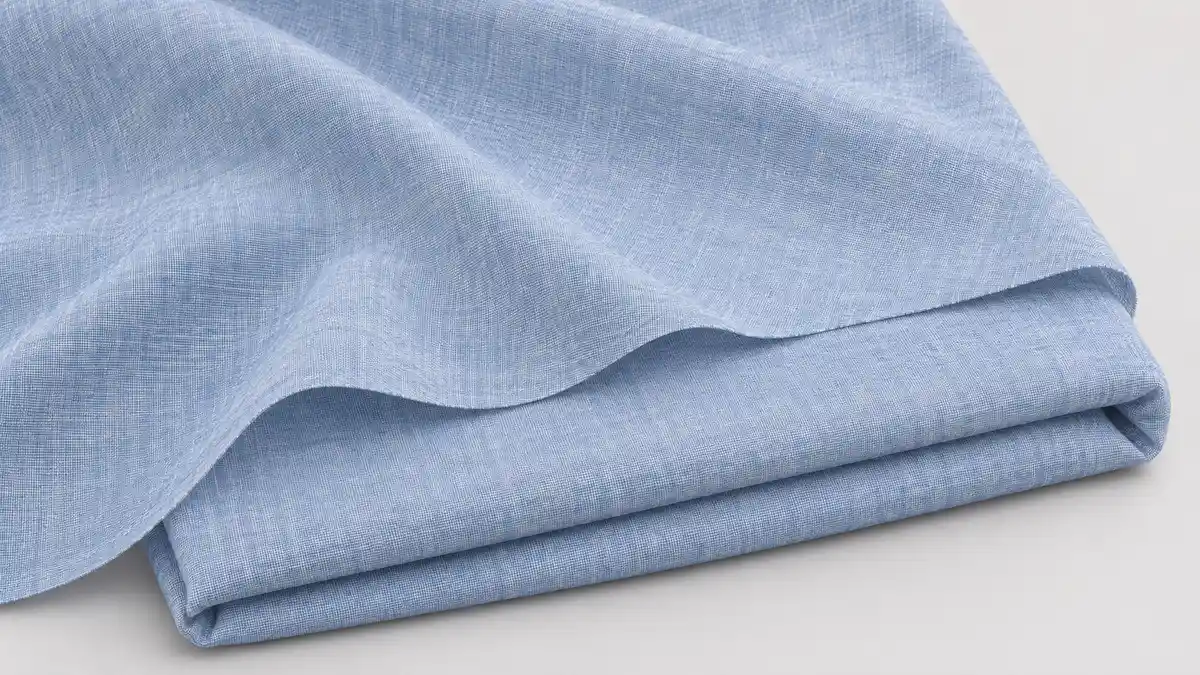
Chambray duty and classification
Read from the UK Trade Tariff on 30 September 2026, heading 5208 covers woven fabrics containing at least 85% cotton by weight and weighing no more than 200 g/m². For chambray made with coloured warp and white weft, start by checking the different-colour-yarn plain-weave lines. The table also includes piece-dyed alternatives: confirm the actual construction rather than relying on the supplier's fabric name.
The relevant chambray and piece-dyed lines all carry 8% duty for goods from China. The supplied tariff facts record no anti-dumping or countervailing duty, suspension or attached import control on these lines. The heading's separate 4% suspension is for unbleached fabric for bandages, dressings and medical gauze, not ordinary chambray.
Confirm the commodity code using fibre content, weave, yarn colours, measured weight and, where relevant, width. For the wider heading, see the cotton poplin fabric guide.
| Goods | Commodity code | Duty | Anti-dumping or countervailing duty on China |
|---|---|---|---|
| Different-colour yarns, plain weave, not more than 100 g/m² | 5208 41 00 00 | 8% | None |
| Different-colour yarns, plain weave, over 100 g/m² up to the heading limit | 5208 42 00 00 | 8% | None |
| Piece-dyed plain-weave alternatives, not more than 100 g/m² | 5208 31 00 00 | 8% | None |
| Piece-dyed alternatives, over 100 to 130 g/m², width not exceeding 165 cm | 5208 32 16 00 | 8% | None |
Specify the chambray construction and finish
Specify plain weave, cotton content, warp and weft colours, yarn count, thread density, weight and usable width. Approve a woven sample showing the desired contrast between coloured warp and white weft. State whether slubs are intentional, and agree the handle, opacity, washing shrinkage and colour fastness before approving bulk fabric.
Textile labelling must show fibre content. Confirm with HSE whether UK REACH azo-dye restrictions apply to the fabric and its intended skin contact. Ask for restricted-azo-dye test reports for each colourway and check that the declared fibre composition matches the fabric. Agree the testing brief before production.
Worked duty example
Illustrative example, not a quote: Illustrative order: 2,200 metres of lightweight cotton chambray, 120 g/m² under 5208 42 00 00, invoiced at £12,000 free on board, with £900 of freight and insurance to the UK. The customs value is £12,900. Duty at 8% is £1,032. Import VAT at 20% is charged on the customs value plus duty, £13,932, so it is £2,786.40. Import taxes total £3,818.40; a VAT-registered importer can usually reclaim the VAT, so the lasting cost is the £1,032 of duty. The import duty and VAT guide explains each step.
Inspection checklist
Construction: check fibre content, weight, usable width and thread density against the approved sample; inspect the warp and weft colours separately.
Shade: compare rolls and dye lots under consistent lighting, checking edge-to-centre variation and whether the white weft remains clean.
Performance: wash samples using the agreed care conditions and check shrinkage, skew, handle and colour transfer against the specification.
Rolls: inspect for missing picks, unintended slubs, oil marks, creases and dampness; reconcile roll lengths and batch labels with the packing list. Use the quality inspection guide to brief the inspector.
Working out your own order? Send us the product on WhatsApp and we reply the same working day: WhatsApp us
What goes wrong
A piece-dyed lookalike can replace the approved yarn-colour construction, changing the appearance and classification. Reduced thread density can make the cloth more transparent, while uneven warp colour creates bands across garment panels. Washing can expose excessive shrinkage or skew that was hidden by the finishing.
Keep an approved sample and shade reference for each batch. On arrival, compare fabric from different rolls before cutting, wash a sample and separate rolls with shade differences. Record defects against roll identifiers so the mill can trace the affected production.
Cambridge China Bridge sources these products for UK businesses, checking the factory and the documents before shipment. See factory verification. For repeat volumes, see container programmes.
Frequently asked questions
What is the UK import duty on lightweight cotton chambray from China?
The relevant heading 5208 lines carry 8% duty.
Which commodity code applies to cotton chambray?
Check 5208 41 00 00 for different-colour-yarn plain weave up to 100 g/m², or 5208 42 00 00 above that weight within the heading limit. Confirm composition and construction before declaring.
Does cotton chambray need fibre labelling?
Textile labelling must show fibre content. Check that the composition declared for the fabric matches laboratory results and the labels used for products made from it.
What should I check before cutting chambray?
Compare roll shades, usable width and opacity with the approved sample. Wash a sample to check shrinkage, skew and colour transfer, then separate rolls that do not match.