Sourcing Leather Book Covers from China
Leather book covers from China under 4205 00 90 00 carry a flat 2% UK duty, with no trade remedy recorded. Confirm the applicable UK REACH chromium VI restrictions for leather that touches skin with HSE. Specify the animal species, book dimensions and pocket fit before sampling. Cambridge China Bridge sources leather book covers.
Buying from China for a business? How our UK China sourcing agent service works · China sourcing agent for small orders and first imports
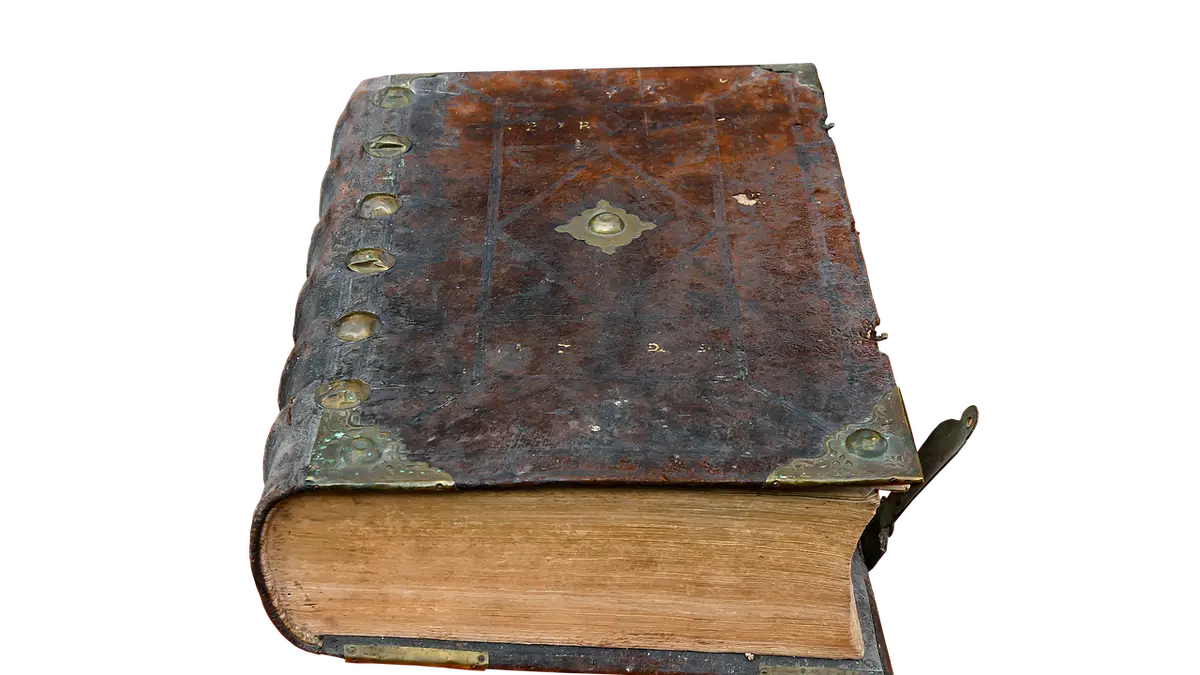
Leather book covers: 2% duty
Read from the UK Trade Tariff on 1 October 2026, heading 4205 covers other articles of leather or composition leather. The relevant other-articles line, 4205 00 90 00, carries 2% duty for goods from China, with no anti-dumping or countervailing measure and no suspension recorded. The table shows cover variants using the same tariff line. For wider heading coverage, see leather desk mats.
The tariff attaches CITES and cat and dog fur controls. Identify the leather species before ordering; CITES guidance requires permits for species listed in the relevant annexes, so confirm the documents with APHA for any listed leather. Commercial imports of cat and dog fur, and products containing it, are prohibited.
The tariff also attaches veterinary control, seal-product control and an import prohibition concerning goods for torture and repression. Confirm the requirements and applicability to your finished covers from China with your customs broker before shipment. Supply the species, tanning information, material specification and product photographs. Confirm the commodity code for the actual article, especially if it is supplied with a bound book or has a zipped carrying-case construction.
| Goods | Commodity code | Duty | Anti-dumping or countervailing duty on China |
|---|---|---|---|
| Removable leather covers for hardback books | 4205 00 90 00 | 2% | None |
Specify book fit and leather construction
Specify a removable cover separately from a bound book. Send the factory the actual book or a dimensioned drawing showing its closed size, spine thickness and board thickness. Agree pocket depth, spine clearance, opening direction, lining, bookmark attachment and any pen loop or closure. Approve a sample with the book inserted and opened fully.
Name the animal species, leather type, thickness, surface finish, colour, edge treatment and embossing position. Identify composition leather explicitly rather than describing it as genuine leather. Confirm the applicable UK REACH restrictions for chromium VI, certain azo dyes and dimethylfumarate with HSE, taking account of whether the leather touches skin. Ask for reports matching the leather and colours supplied; testing and certification can help define the checks.
Consumer products sold in the UK must be safe. Check the finished cover for sharp fittings, exposed rivet backs and closures that snag hands or damage pages.
Worked duty example
Illustrative example, not a quote: Illustrative order: 2,000 removable leather book covers under 4205 00 90 00, invoiced at £9,000 free on board, with £700 of freight and insurance to the UK. The customs value is £9,700. Duty at 2% is £194. Import VAT at 20% is charged on the customs value plus duty, £9,894, so it is £1,978.80. Import taxes total £2,172.80; a VAT-registered importer can usually reclaim the VAT, so the lasting cost is the £194 of duty. The import duty and VAT guide explains each step.
Inspection checklist
Fit: insert the intended book, close it and open it fully. Check that pockets hold the boards without bowing them, pulling the spine tight or obstructing pages.
Material: compare the cut edge, backing, thickness, grain and colour with the approved sample. Match the leather specification and chemical reports to the supplied batch.
Workmanship: inspect pocket seams, stitch tension, lining adhesion, embossing alignment and edge paint. Flex the spine and corners to check for cracking or separation.
Finish and packing: check colour transfer onto hands and pale paper, loose fittings, mould and strong solvent smells. Inspect cartons on arrival for dampness and staining.
Working out your own order? Send us the product on WhatsApp and we reply the same working day: WhatsApp us
What goes wrong
A sample fitted to an empty mock-up can become too tight around the actual book. Deep pockets can restrict opening; shallow pockets let the boards slip out. Lining adhesive, rough seam allowances and exposed hardware can mark the binding or pages. Check the cover with the intended book before approving production.
Substituted leather, uneven dye, cracked edge paint and shallow embossing can make bulk goods differ from the sample. Colour transfer can stain book jackets, while damp packing encourages mould. Keep an approved material swatch and finished sample, and use quality inspection to compare bulk goods before dispatch.
Cambridge China Bridge sources these products for UK businesses, checking the factory and the documents before shipment. See factory verification. For own-brand ranges, see sourcing for brands.
Frequently asked questions
What is the UK import duty on leather book covers from China?
The supplied tariff snapshot records 2% duty under 4205 00 90 00, with no anti-dumping or countervailing measure and no suspension.
Do leather book covers need chemical testing?
Confirm the applicable UK REACH restrictions for leather touching skin with HSE, including those concerning chromium VI, relevant azo dyes and dimethylfumarate. Ask for reports covering the supplied leather and colours.
Can I import exotic-leather book covers from China?
Identify the species and ask APHA to confirm CITES documents before ordering. The tariff attaches CITES control; a supplier's description of the leather is insufficient to settle the requirement.
How do I stop leather book covers being too tight?
Sample with the actual book, including its board and spine thickness. Check pocket depth and spine clearance with the book closed and fully open, then inspect bulk goods against that approved sample.