Sourcing labels, stickers, swing tags and woven labels from China
For labels, stickers, swing tags and woven labels from China, approve the artwork on the actual material and test it on the product or application equipment; adhesive, roll direction, size and finishing can matter more than the print price.
Specify custom labels, stickers, hang tags and woven clothing labels: adhesive trials, artwork approval, roll direction and when UK printing wins.
Products and search terms
custom labels, stickers, swing tags, hang tags, woven clothing labels, garment labels, adhesive labels
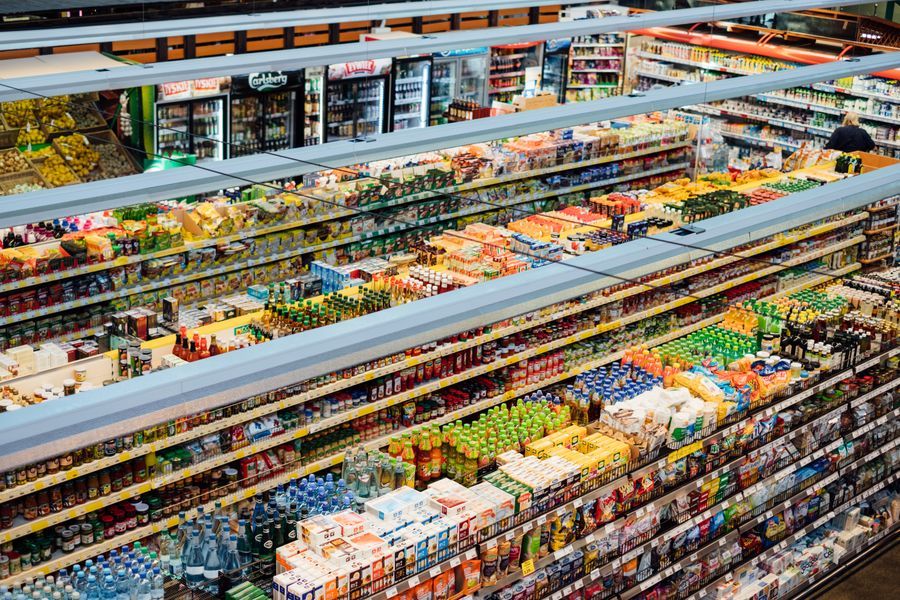
The surface decides the label
A label that sticks to a sample card may lift from a chilled bottle or textured box. Tell the supplier the substrate, application temperature, storage conditions and whether removal should leave residue. For clothing labels, describe attachment and skin contact rather than treating them as small printed rectangles.
Separate branding labels from information labels. The printer can reproduce artwork, but should not be asked to invent fibre composition, product warnings or barcode identifiers. Keep a named owner for the approved text and a version number for every artwork file.
A quotation-ready label brief
Provide a dimensioned artwork file, quantities per design and the required delivery format. If labels run through a machine, send the equipment's roll requirements before any sample is made.
| Format | Specify | Approval check |
|---|---|---|
| Adhesive labels and stickers | Face material, adhesive, dimensions, finish and application surface | Peel, edge lift, rub and residue under intended conditions |
| Roll labels | Core, maximum roll diameter, winding direction and label gap | Run a sample roll on the actual applicator or printer |
| Swing tags or hang tags | Card material, thickness, cut shape, hole, string and print | Colour, cut registration, attachment and scuffing |
| Woven clothing labels | Finished size, fold, edge, weave, colours and sewing allowance | Legibility, feel and appearance after the intended wash process |
Proof the finished construction
Approve a physical proof on the specified material with the agreed laminate, varnish, foil or fold. A PDF proof checks layout and spelling but cannot establish how a finish looks or how an adhesive behaves. Mark the approved artwork version on both the order and retained proof.
Where a barcode is required, test the finished printed label with the intended scanning system and obtain any verification required by the receiving retailer. A scan from a computer screen does not test print or substrate quality. Check the product specification guide for documenting acceptance conditions.
Information labels need accurate information
For textile products within scope in Great Britain, GOV.UK's guidance requires fibre-content information. A decorative woven brand label is not a substitute for the required composition information. Confirm the actual product data before printing a batch that cannot easily be corrected.
If a label will contact food or forms part of food packaging, identify that use before choosing the material and adhesive. Use the food-contact guide to frame the evidence request for the actual construction. Do not apply a generic suitability statement to every adhesive or print system.
Short runs may be better printed in the UK
Compare the full order cost, including origination, dies, samples, freight and unused labels when artwork changes. A long run of stable artwork may justify importing; frequent revisions, urgent launches and many small designs can favour a local printer. Ask for stock shapes as well as custom die-cut options.
For a sourcing enquiry, send production artwork, material and surface details, quantities by design, packing or roll format, destination postcode and arrival deadline. The quote should identify what is included and which proof releases production. Factory minimums and lead times depend on the actual format.
Frequently asked questions
Are swing tags and hang tags the same buying category?
The names are commonly used for attached card tags. Still specify the material, size, hole, attachment and finish rather than relying on the name.
Can I approve labels from a PDF?
Use a PDF for artwork checks, then a physical proof for material, colour, finishing and adhesion. Machine-applied labels also need a roll trial.
Does a woven brand label cover textile composition labelling?
Not by itself. Confirm the fibre-content information required for the product and supply that text separately from brand artwork.