Sourcing knitted thermal vests from China
Knitted thermal vests from China under heading 6109 carry a flat 12% UK duty across the listed materials. Fibre content must be labelled, and consumer products sold in Great Britain must be safe in normal or reasonably foreseeable use. Cambridge China Bridge sources knitted thermal vests.
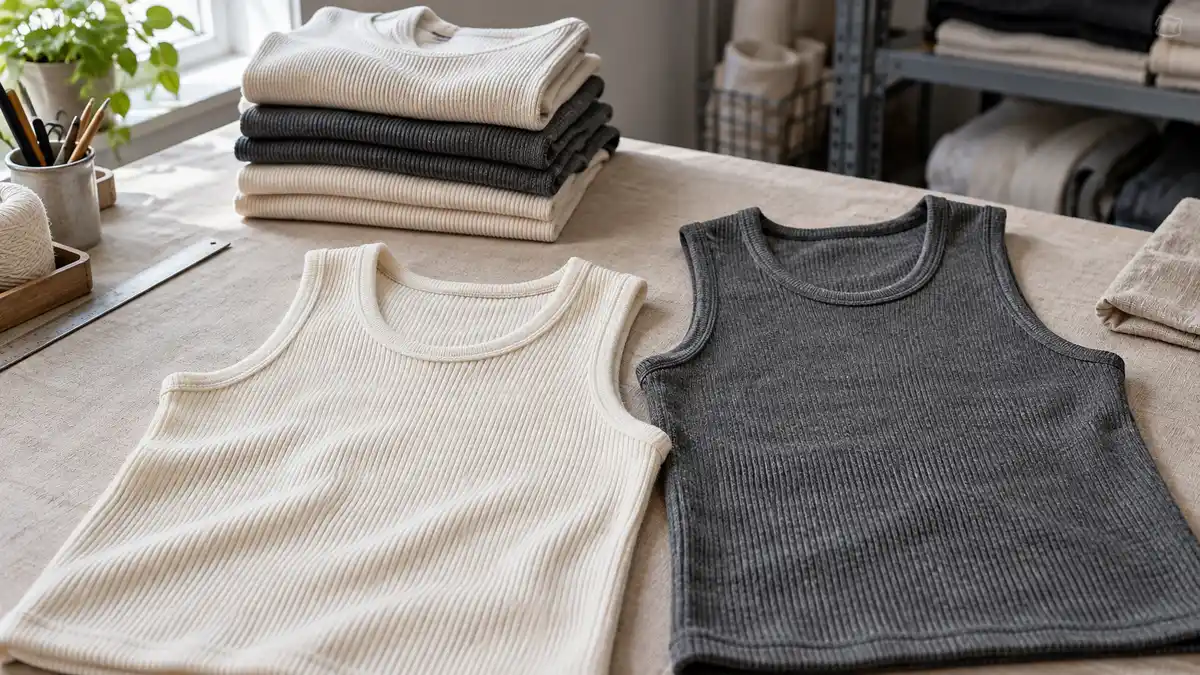
A flat 12% duty on thermal vests
Heading 6109 covers knitted or crocheted T-shirts, singlets and other vests. This guide concerns thermal vests worn next to the body. The table separates wool and man-made fibre options within their shared code. For the wider heading, see our running vests guide. For cropped T-shirts, see our knitted crop-top T-shirt sourcing guide. For football teamwear, see our knitted football jersey sourcing guide. For gym styles, see our men's knitted stringer vest sourcing guide.
Read from the UK Trade Tariff on 29 September 2026, all listed lines carried 12% duty for goods from China, with no anti-dumping or countervailing duty or tariff suspension recorded. The non-cotton lines attach CITES import and export controls. For listed species, permits are required; confirm the material and applicable documentation with your customs broker before ordering.
Confirm the commodity code using the garment construction and fibre composition rather than the word 'thermal'. Provide a sample, photographs and the fabric specification. The import duty and VAT guide explains the tax calculation.
| Goods | Commodity code | Duty | Anti-dumping or countervailing duty on China |
|---|---|---|---|
| Cotton knitted thermal vests | 6109 10 00 90 | 12% | None |
| Wool or fine animal hair knitted thermal vests | 6109 90 20 00 | 12% | None |
| Other textile material knitted thermal vests | 6109 90 90 00 | 12% | None |
Specify the knit, warmth and close fit
Specify the fibre blend, fabric weight, rib or interlock construction, brushed inner surface and stretch recovery. Agree chest, body length, shoulder width, neckline and armhole measurements against an approved sample. Describe the intended close fit and check that the hem stays tucked in during movement.
Agree wash shrinkage, pilling, colour transfer and seam comfort checks before production. Request evidence for any warmth or moisture-management claim. Fibre labels must show the fibre content, including fur and other animal parts. Consumer products sold in Great Britain must be safe in normal or reasonably foreseeable use.
Worked duty example
Illustrative example, not a quote: Illustrative order: 2,000 cotton knitted thermal vests under 6109 10 00 90, invoiced at £7,000 free on board, with £700 of freight and insurance to the UK. The customs value is £7,700. Duty at 12% is £924. Import VAT at 20% is charged on the customs value plus duty, £8,624, so it is £1,724.80. Import taxes total £2,648.80; a VAT-registered importer can usually reclaim the VAT, so the lasting cost is the £924 of duty. The import duty and VAT guide explains each step.
Inspection checklist
Fabric: compare composition, weight, brushing and shade with the approved sample; check for thin patches and excessive loose fibres.
Fit: measure across sizes before and after washing; check body length, armhole binding, neckline recovery and twisting.
Seams: stretch shoulder and side seams; check skipped stitches, bulky joins and rough edges against the skin.
Labels and packing: check fibre declarations, size labels and agreed care instructions; compare carton contents with the order and look for dampness at arrival. Use the inspection guide to plan checks.
Working out your own order? Send us the product on WhatsApp and we reply the same working day: WhatsApp us
What goes wrong
A soft brushed sample can hide poor recovery or heavy shedding. Washing may shorten the body, twist the side seams or leave the neckline stretched. Compare washed samples with the approved fit rather than accepting softness as evidence of performance.
Wool and synthetic versions may look similar while needing different care and fibre declarations. Keep material variants separate in specifications, labels and inspection records. Reject substitutions that have not been approved and tested against the agreed checks.
Cambridge China Bridge sources these products for UK businesses, checking the factory and the documents before shipment. See factory verification. For own-brand ranges, see sourcing for brands.
Frequently asked questions
What is the UK import duty on knitted thermal vests from China?
The supplied tariff reading shows 12% across the listed heading 6109 lines, with no anti-dumping or countervailing duty or tariff suspension recorded.
What labels do thermal vests need?
The fibre label must show fibre content, including fur and other animal parts. Check its accuracy against the supplied fabric; agree size labels and care instructions separately.
Do wool thermal vests need CITES permits?
The non-cotton tariff lines attach CITES controls. Permit requirements depend on the species used. Confirm the material and documents with your customs broker rather than assuming every wool vest needs a permit.
How do I check thermal vest quality before shipment?
Compare fabric and brushing with the approved sample, measure fit after washing, stretch seams and bindings, and check pilling, shedding and colour transfer against agreed criteria.