Sourcing knitted polishing pile fabric from China
Knitted polishing pile fabric from China carries a flat 8% UK duty across the listed lines, with no listed anti-dumping or countervailing duty. Fabric sold by the metre to consumers must state its fibre composition. Specify the pile and backing, then trial shedding and scratching. Cambridge China Bridge sources knitted polishing pile fabric.
Buying from China for a business? How our UK China sourcing agent service works · China sourcing agent for small orders and first imports
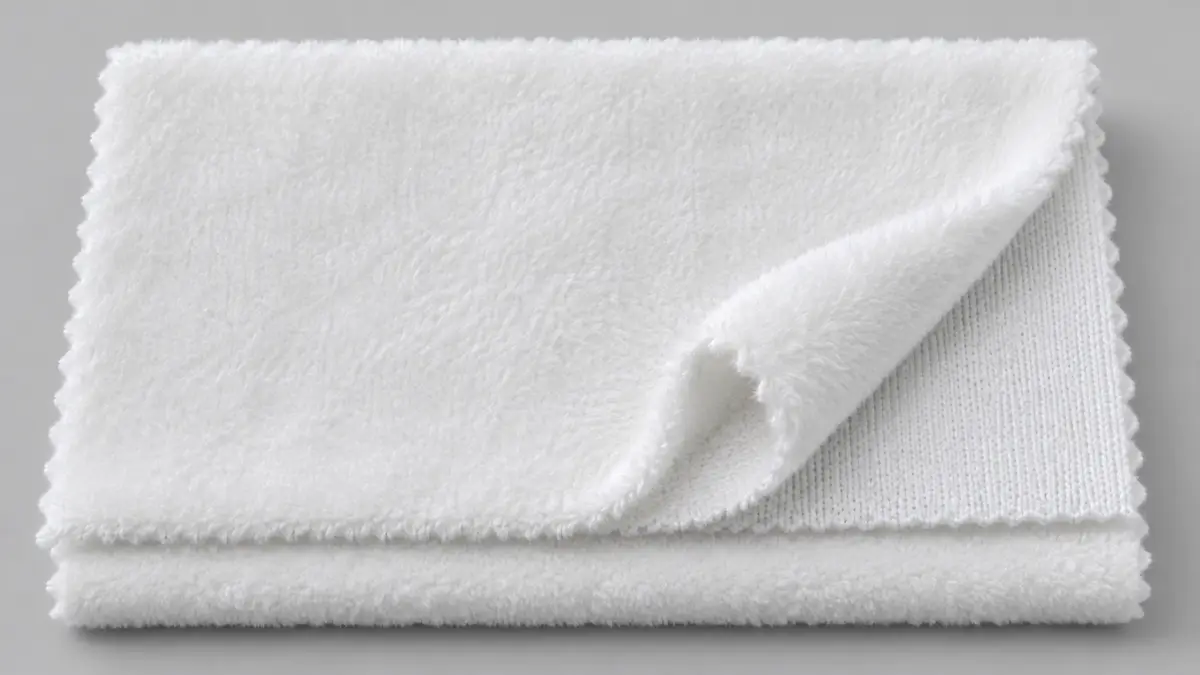
A flat 8% duty on fabric rolls
Read from the UK Trade Tariff on 1 October 2026, heading 6001 covers knitted or crocheted pile fabrics, including long pile and looped pile. This guide concerns knitted polishing pile fabric supplied in rolls for conversion into polishing products. The relevant line depends on the pile construction and fibre composition.
All supplied lines carry 8% duty for goods from China, with no listed anti-dumping or countervailing measure and no suspension. The tariff attaches CITES import and export controls to some long pile and other-material looped pile lines, and an export control to synthetic long pile. Importing CITES specimens requires a permit. For flagged materials, ask your customs broker to confirm the species, restrictions and required documents before ordering from China.
Send the broker the fibre breakdown, construction details and a sample to confirm the commodity code. Describe the imported fabric rather than relying on the name of the polishing product you intend to make. See the knitted paint roller pile fabric guide for related fabric within the wider heading.
| Goods | Commodity code | Duty | Anti-dumping or countervailing duty on China |
|---|---|---|---|
| Other knitted pile fabric of man-made fibres | 6001 92 00 00 | 8% | None |
| Other knitted pile fabric of wool or fine animal hair | 6001 99 00 10 | 8% | None |
| Other knitted pile fabric of cotton | 6001 91 00 00 | 8% | None |
| Knitted looped pile fabric of man-made fibres | 6001 22 00 00 | 8% | None |
| Knitted looped pile fabric of cotton | 6001 21 00 00 | 8% | None |
| Knitted long pile fabric of synthetic fibres | 6001 10 00 10 | 8% | None |
Specify the pile for the surface being polished
State the surface, polishing compound and intended dry or wet use. Specify pile fibre and backing fibre separately, cut or looped pile, pile height, density, mass per area, usable width, stretch and finishing. Agree whether the fabric will be sewn or bonded, and test the proposed backing with your adhesive and cleaning process.
Keep an approved sample with an agreed trial method and acceptance criteria for fibre loss, scratching and polishing result. Test on a representative surface using the intended compound. If selling fabric by the metre to consumers, provide its fibre composition; check the mill's composition against the material supplied.
Worked duty example
Illustrative example, not a quote: Illustrative order: 1,200 metres of polyester knitted polishing pile fabric in rolls under 6001 92 00 00, invoiced at £12,000 free on board, with £1,200 of freight and insurance to the UK. The customs value is £13,200. Duty at 8% is £1,056. Import VAT at 20% is charged on the customs value plus duty, £14,256, so it is £2,851.20. Import taxes total £3,907.20; a VAT-registered importer can usually reclaim the VAT, so the lasting cost is the £1,056 of duty. The import duty and VAT guide explains each step.
Inspection checklist
Pile: compare height, density and recovery with the approved sample; look for bald areas, shearing bands and crushed fibres.
Shedding and contamination: brush and rub sampled fabric, compare loose fibres with the approved sample, and inspect for grit or hard particles before a polishing trial.
Backing and dimensions: measure usable width and mass per area; check stretch, needle lines, edge curl and the proposed seam or adhesive bond.
Traceability and packing: match roll labels to fibre descriptions and batch records; check for moisture, dirt and pressure damage. Arrange quality inspection around these checks.
Working out your own order? Send us the product on WhatsApp and we reply the same working day: WhatsApp us
What goes wrong
Loose pile leaves fibres in polishing compound or on the workpiece. Grit, hard contamination or an unsuitable pile can mark the surface. Uneven shearing changes contact across the fabric, while flattened pile can make an arrival sample behave differently from the approved sample.
A changed backing may stretch during conversion or bond poorly even when the face looks unchanged. Agree how faulty rolls will be identified and separated, and compare bulk samples with the approved fabric before cutting or bonding the shipment.
Cambridge China Bridge sources these products for UK businesses, checking the factory and the documents before shipment. See factory verification. For own-brand ranges, see sourcing for brands.
Frequently asked questions
What is the UK import duty on knitted polishing pile fabric from China?
The supplied tariff lines carry 8% duty for goods from China, with no listed anti-dumping or countervailing duty and no suspension.
Which commodity code covers polyester polishing pile fabric?
6001 92 00 00 covers other pile fabric of man-made fibres. Long pile and looped pile have separate lines, so confirm the construction and composition with your broker.
Does polishing fabric sold by the metre need a fibre label?
Fabric sold by the metre to consumers must state its fibre composition. Obtain the mill's fibre breakdown and check that it matches the supplied fabric.
How do I check that polishing pile fabric will not scratch?
Inspect for grit and hard particles, then trial a bulk sample on the intended surface with your polishing compound. Compare scratching, fibre loss and the finish against the approved sample.