Sourcing jewellery rolling mills from China
Jewellery rolling mills and relevant replacement rolls and parts from China carry 0% UK duty across the selected lines, with no listed trade remedies. Powered mills supplied in Great Britain need machinery safety compliance, conformity marking and a declaration of conformity. Cambridge China Bridge sources jewellery rolling mills.
Buying from China for a business? How our UK China sourcing agent service works · China sourcing agent for small orders and first imports
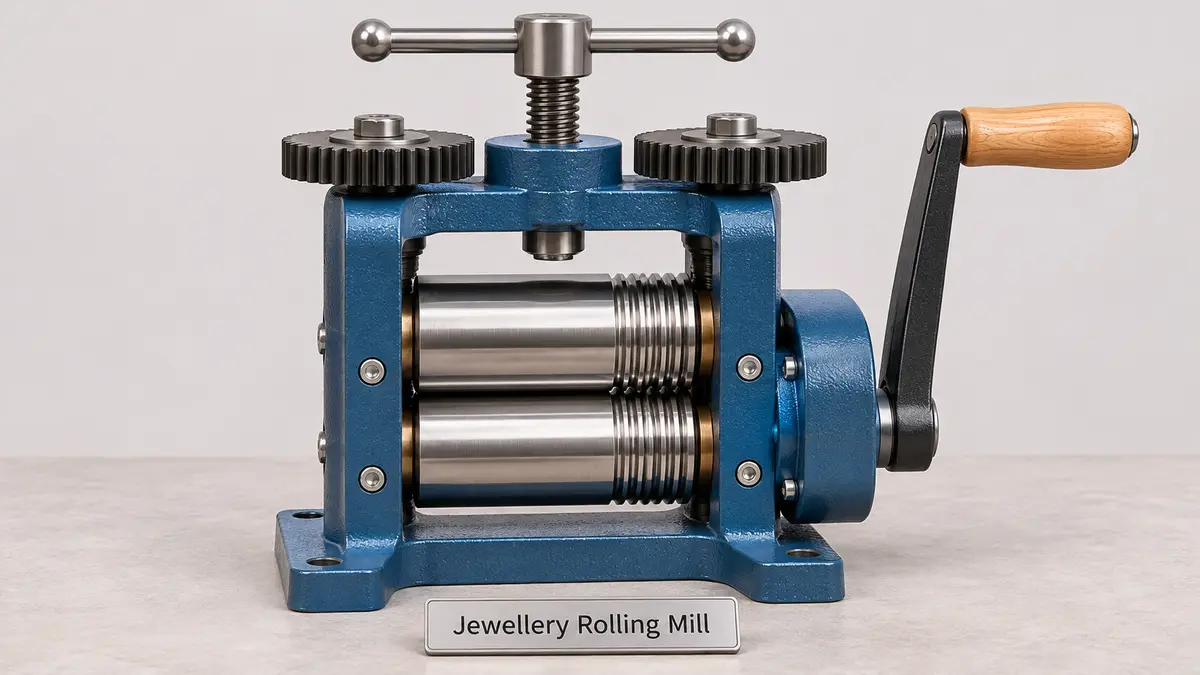
Zero duty on jewellery mills and relevant spares
Heading 8455 covers metal-rolling mills, their rolls and other parts. For jewellery workshops, the relevant complete-machine line is cold rolling mills. Replacement rolls need classification by material and manufacturing method; a grooved roll is not automatically an other-part item. See the wider rolling mills guide.
Read from the UK Trade Tariff on 3 October 2026, every selected line carries 0% duty for goods from China. The supplied tariff record lists no anti-dumping or countervailing duty, suspensions or attached import controls. Import VAT is normally 20%. Zero customs duty does not establish that a powered mill meets machinery safety requirements.
Give your customs broker the mill specification, drive type and intended process. For spare rolls, include the material and manufacturing method; for other spares, provide drawings and their function. Confirm the commodity code before shipment.
| Goods | Commodity code | Duty | Anti-dumping or countervailing duty on China |
|---|---|---|---|
| Cold rolling mills for jewellery sheet and wire | 8455 22 00 00 | 0% | None |
| Open-die forged steel cold-rolling work rolls | 8455 30 39 00 | 0% | None |
| Other rolling mill rolls, subject to material and manufacture | 8455 30 90 00 | 0% | None |
| Other rolling mill parts | 8455 90 00 00 | 0% | None |
Specify the sheet finish and wire grooves
State whether you need a hand-driven or powered mill, flat rolls, wire grooves or a combination. Specify usable flat width, roll diameter, opening range, groove profiles and the alloys and annealed condition you intend to process. Agree roll material, hardness, surface finish, parallelism and acceptable run-out against drawings.
Ask the factory to roll your intended sheet and wire samples. Agree the reduction sequence and check finished thickness across the sheet, surface marking, wire profile and adjustment repeatability. Specify bench fixings, handle clearance, lubrication instructions and replacement roll compatibility.
Powered mills supplied in Great Britain must meet the Supply of Machinery (Safety) Regulations 2008, including essential health and safety requirements, conformity assessment, UKCA or CE marking and a declaration of conformity. Check guarding, stops and the technical file arrangements. For hand-driven models, ask a compliance adviser to check the scope before specifying conformity paperwork. Our testing and certification service can help review the proposed evidence.
Worked duty example
Illustrative example, not a quote: Illustrative order: 12 replacement cold-rolling work rolls for jewellery mills under 8455 30 39 00, invoiced at £4,000 free on board, with £400 of freight and insurance to the UK. The customs value is £4,400. Duty at 0% is £0. Import VAT at 20% is charged on the customs value plus duty, £4,400, so it is £880. With no duty, the only import tax is the VAT, which a VAT-registered importer can usually reclaim. The import duty and VAT guide explains each step.
Inspection checklist
Roll surfaces: inspect flat faces and grooves for rust, pitting, grinding marks and damaged edges; compare the material and hardness records with the agreed specification.
Alignment and adjustment: measure roll parallelism and run-out, operate the gap adjustment through its range and check bearings, gear engagement and handle movement for binding or excessive play.
Rolling trial: process the agreed sheet and wire samples safely, then measure thickness across the sheet and compare surface finish and groove output with approved samples.
Safety and packing: check mounting points, guards and powered controls against the approved design; match the model to its documents and inspect corrosion protection and crate restraint. Arrange quality inspection before dispatch.
Working out your own order? Send us the product on WhatsApp and we reply the same working day: WhatsApp us
What goes wrong
Use the trial to detect uneven sheet thickness from misaligned rolls, repeated marks from damaged roll faces and wire profiles that differ from the approved groove drawing. Loose adjustments and bearing play can make the result change between passes. Record the agreed acceptance checks before ordering.
A conformity mark alone does not guarantee safety. Check the actual machine before use, especially exposed gears, the roll entry and the stability of the bench mounting. Resolve missing guards or documents before accepting a powered mill; do not rely on paperwork for a different model.
Cambridge China Bridge sources these products for UK businesses, checking the factory and the documents before shipment. See factory verification. For machinery and equipment, see machinery imports.
Frequently asked questions
What is the UK import duty on jewellery rolling mills from China?
The supplied tariff record shows 0% duty on cold rolling mills and the selected rolls and parts, with no listed anti-dumping or countervailing duty. Import VAT is normally 20%.
Does a jewellery rolling mill need CE or UKCA marking?
Powered mills supplied in Great Britain need UKCA or CE marking, conformity assessment and a declaration of conformity. For hand-driven models, confirm the scope before specifying machinery conformity paperwork.
Can the same jewellery mill roll sheet and wire?
Specify a combination roll layout and confirm the usable flat width and groove profiles. Ask for trials with your intended alloys and compare the finished sheet and wire with approved samples.
What should I check before accepting a jewellery rolling mill?
Check roll finish, parallelism, adjustment repeatability, bearing play and sample output. Inspect mounting and guards, and match powered-machine documents to the delivered model.