Sourcing inactive feed yeast from China
Inactive feed yeast from China carries 0% UK duty across the feeding lines, with no anti-dumping or countervailing duty listed. Feed law applies, including business registration or approval as applicable. Specify the growth substrate, inactivation process and batch composition. Cambridge China Bridge sources inactive feed yeast.
Buying from China for a business? How our UK China sourcing agent service works · China sourcing agent for small orders and first imports
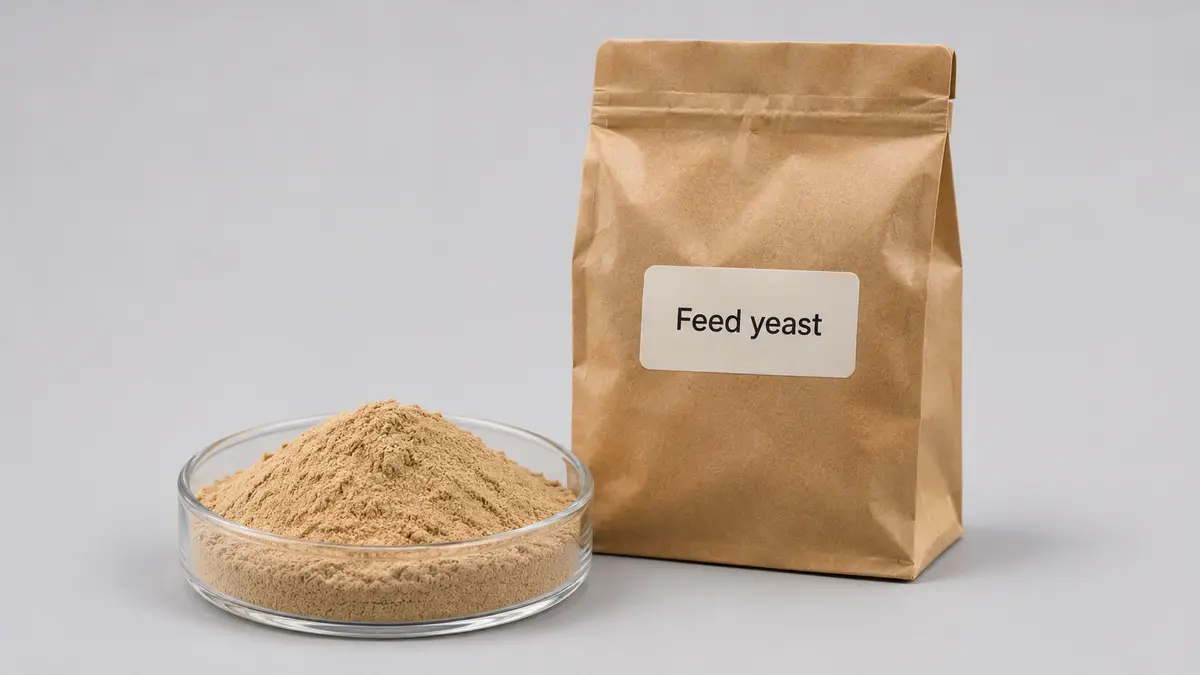
Zero duty on inactive feed yeast
Read from the UK Trade Tariff on 30 September 2026, heading 2102 covers active and inactive yeasts, other dead single-cell micro-organisms and prepared baking powders. The inactive feed yeast lines carry 0% duty for goods from China. The supplied tariff record lists no anti-dumping or countervailing duty and no suspensions for these lines.
The UK Trade Tariff attaches an import control of organic products. For organic feed yeast from China, confirm the certificate of inspection requirement with your customs broker and organic control body before shipment. An organic importer must be based and certified in the UK. Ask the control body which products you can import.
Choose the feeding line from the intended use, physical form and immediate pack size. The non-feed rows are comparisons, not alternatives for declaring feed yeast. Confirm the commodity code using the supplier's composition and packing details. For the neighbouring human-food product, see nutritional yeast flakes.
| Goods | Commodity code | Duty | Anti-dumping or countervailing duty on China |
|---|---|---|---|
| Inactive feed yeast: tablets, cubes or immediate packs not exceeding 1 kg | 2102 20 11 10 | 0% | None |
| Other inactive yeast for feeding | 2102 20 19 10 | 0% | None |
| Non-feed comparison: inactive yeast tablets, cubes or packs not exceeding 1 kg | 2102 20 11 90 | 0% | None |
| Non-feed comparison: other inactive yeast | 2102 20 19 90 | 0% | None |
Specify the yeast and its growth substrate
State the yeast identity, growth substrate, whether it is recovered brewing yeast or purpose-grown material, and the inactivation and drying processes. Request a full composition declaration, including carriers and added ingredients. Agree crude protein, moisture, ash, particle size, bulk density, odour and remaining shelf life against your intended feed formulation.
Most businesses involved in marketing feed must be approved or registered with their competent authority. Confirm the appropriate route for your activity before ordering. Give your adviser the substrate and process details rather than relying on the description 'feed grade'. Agree batch testing and sampling with testing and certification support.
Worked duty example
Illustrative example, not a quote: Illustrative order: 1 tonne of inactive feed yeast powder under 2102 20 19 10, invoiced at £2,000 free on board, with £1,500 of freight and insurance to the UK. The customs value is £3,500. Duty at 0% is £0. Import VAT at 20% is charged on the customs value plus duty, £3,500, so it is £700. With no duty, the only import tax is the VAT, which a VAT-registered importer can usually reclaim. The import duty and VAT guide explains each step. This assumes the goods are standard-rated for VAT. Most food for human consumption is zero-rated, and animal feed can be too, in which case no import VAT is due, so check the rate for your product in HMRC's VAT Notice 701/14.
Inspection checklist
Identity: match the supplied yeast, substrate declaration and inactivation process to the approved specification; investigate unexpected fermentation activity.
Composition: compare batch protein, moisture and ash results using the agreed reporting basis; check for undeclared carriers or dilution.
Microbiology: request production-batch results for the agreed organisms, including Salmonella and moulds, and check that the report identifies the delivered lot.
Packing and records: inspect liners and seals for moisture ingress, caking and contamination; reconcile net weight, batch marks, label details and analysis certificates.
Working out your own order? Send us the product on WhatsApp and we reply the same working day: WhatsApp us
What goes wrong
A protein result reported on a dry-matter basis can look higher than a result for the product as delivered. Different substrates or added carriers can change composition between batches. Agree the reporting basis and compare production samples with the approved sample before shipment.
Damp liners, torn bags and poor storage can leave powder caked or smelling musty. Hold suspect stock separately while you investigate and arrange testing. Retain labelled batch samples and record arrival findings using the quality inspection guide.
Cambridge China Bridge sources these products for UK businesses, checking the factory and the documents before shipment. See factory verification. For repeat volumes, see container programmes.
Frequently asked questions
What is the UK import duty on inactive feed yeast from China?
The supplied tariff record gives 0% duty for 2102 20 11 10 and 2102 20 19 10, with no anti-dumping or countervailing duty and no suspensions listed.
Do I need to register a business selling inactive feed yeast?
Most businesses marketing feed must be approved or registered with their competent authority. Confirm the appropriate route for your activity before ordering.
Can I import organic inactive feed yeast from China?
The tariff attaches an organic import control. Confirm the certificate of inspection requirement with your broker and organic control body. The importer must be based and certified in the UK.
What should I check on an inactive feed yeast batch?
Check identity, substrate, inactivation, protein reporting basis, moisture, ash and agreed microbiology. Match the analysis certificate to the lot and inspect bags for damage, dampness and caking.