Sourcing hop extracts from China
Hop extracts from China carry 0% UK duty across the listed extract lines. Ordinary extracts carry an attestation control, while the small-package line depends on intended use and packaging as well as weight. Confirm the paperwork before shipment. Cambridge China Bridge sources hop extracts.
Buying from China for a business? How our UK China sourcing agent service works · China sourcing agent for small orders and first imports
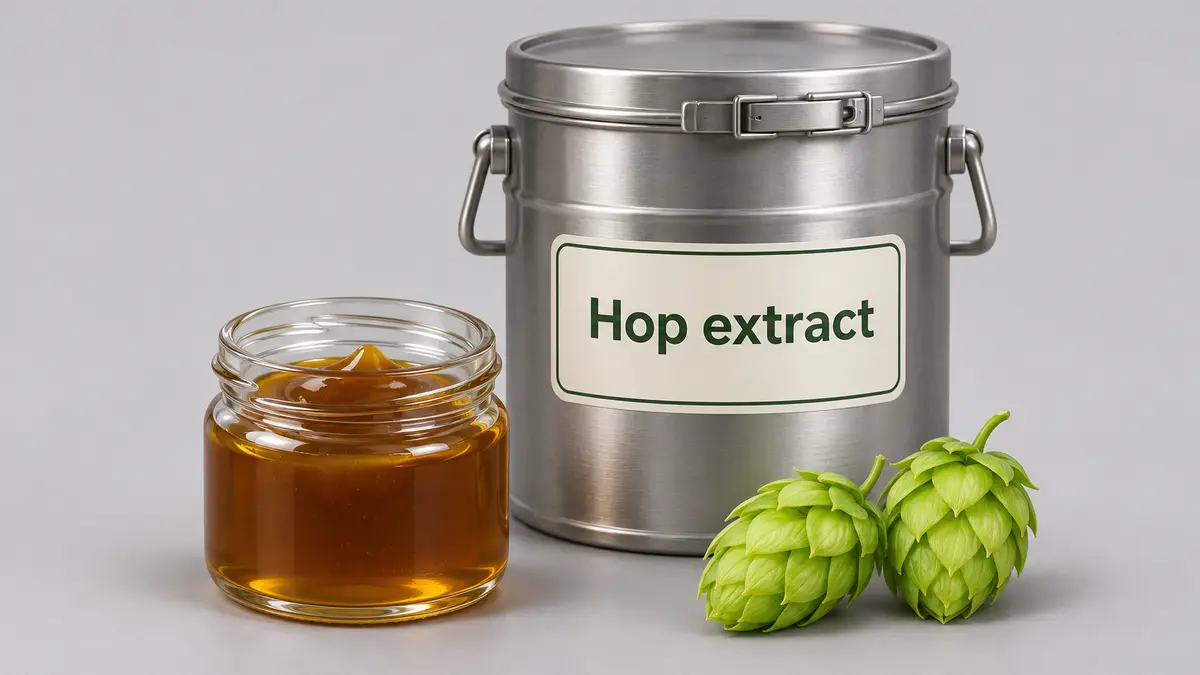
Hop extract duty and import controls
Read from the UK Trade Tariff on 30 September 2026, hop extracts within heading 1302 carried 0% duty from China. The supplied facts list no anti-dumping or countervailing duty and no suspensions for these lines. Ordinary extracts fall under 1302 13 00 90. The small-package line is 1302 13 00 80; the table repeats that code to show its qualifying uses.
The UK Trade Tariff attaches an attestation document control to ordinary extracts. Confirm the acceptable attestation of equivalence and issuing agency for the Chinese shipment with your customs broker before dispatch. Both extract lines carry an organic import control. For organic orders, check the recognised organic registers and confirm consignment requirements with your broker and organic control body. The certificate of inspection is issued by the exporter's control body in the country of export.
The small-package line covers specified uses in individual packs not exceeding 300 g, with description, weight and final use indicated on the packaging. Do not select it merely because an order is small. Confirm the composition, processing, pack size and use through finding your commodity code. For other goods in this heading, see the plant extracts, pectin and agar guide.
| Goods | Commodity code | Duty | Anti-dumping or countervailing duty on China |
|---|---|---|---|
| Ordinary hop extracts, including bulk brewing extracts | 1302 13 00 90 | 0% | None |
| Qualifying hop extract packs up to 300 g for private individuals' own use | 1302 13 00 80 | 0% | None |
Specify the hop extract and brewing function
Identify the hop species, variety or blend, harvest information and extraction process. State whether the extract is isomerised, its alpha-acid content, the assay method and any carrier or diluent. Agree whether the buyer needs bitterness, aroma or both, then trial the sample in the intended brewing process rather than accepting a generic extract ratio.
Ask for a batch certificate of analysis covering identity, strength and agreed contaminant tests. Specify container material, seals, storage conditions and handling instructions for viscous material. For food use, unsafe food must not be placed on the market. An unfamiliar botanical extract may also need a novel-food status check, as explained in the wider plant extracts guide.
Worked duty example
Illustrative example, not a quote: An illustrative trial batch of brewing hop extract, not a supplier quotation under 1302 13 00 90, invoiced at £1,000 free on board, with £900 of freight and insurance to the UK. The customs value is £1,900. Duty at 0% is £0. Import VAT at 20% is charged on the customs value plus duty, £1,900, so it is £380. With no duty, the only import tax is the VAT, which a VAT-registered importer can usually reclaim. The import duty and VAT guide explains each step.
Inspection checklist
Identity: match the extract description, variety or blend and batch reference to the purchase specification and analysis certificate.
Strength: compare the batch assay with the agreed alpha-acid specification and test brewing performance against the approved sample.
Packaging: check seals, leaks, net contents and storage instructions; photograph damaged containers before opening.
Documents: reconcile the shipment description with the customs paperwork and check the attestation and organic documents agreed before dispatch. Use quality inspection explained to define the inspection brief.
Working out your own order? Send us the product on WhatsApp and we reply the same working day: WhatsApp us
What goes wrong
An extract ratio does not establish brewing strength. Dilution, a changed blend or a different processing method can produce a batch that looks similar but performs differently. Make the assay method and brewing trial part of acceptance, and retain a sample from each batch.
Clearance can be delayed when the factory supplies a commercial analysis certificate instead of the agreed import document, or the buyer selects the small-package code without checking its use conditions. Resolve the documentary route before dispatch and keep organic claims consistent with the verified paperwork.
Cambridge China Bridge sources these products for UK businesses, checking the factory and the documents before shipment. See factory verification. For repeat volumes, see container programmes.
Frequently asked questions
What is the UK import duty on hop extracts from China?
The supplied UK Trade Tariff facts show 0% duty for both hop extract lines, with no listed anti-dumping or countervailing duty and no suspensions.
What import paperwork do bulk hop extracts need?
Ask your customs broker to confirm the acceptable attestation of equivalence and issuing agency for the Chinese shipment.
Can I use the small-package code for a brewing trial?
Do not assume a commercial brewing trial qualifies. Check the tariff's specified uses, individual pack weight and required packaging description with your customs broker.
What should I check when buying organic hop extract?
Check the recognised organic registers and confirm shipment requirements with your broker and organic control body.