Sourcing green decaf coffee beans from China
Green decaffeinated coffee beans from China carry a flat 8% UK duty under 0901 12 00 00, with no anti-dumping or countervailing duty listed. Confirm organic inspection-certificate requirements with your organic control body. Specify the decaffeination process and verify the batch's residual caffeine. Cambridge China Bridge sources green decaffeinated coffee beans.
Buying from China for a business? How our UK China sourcing agent service works · China sourcing agent for small orders and first imports
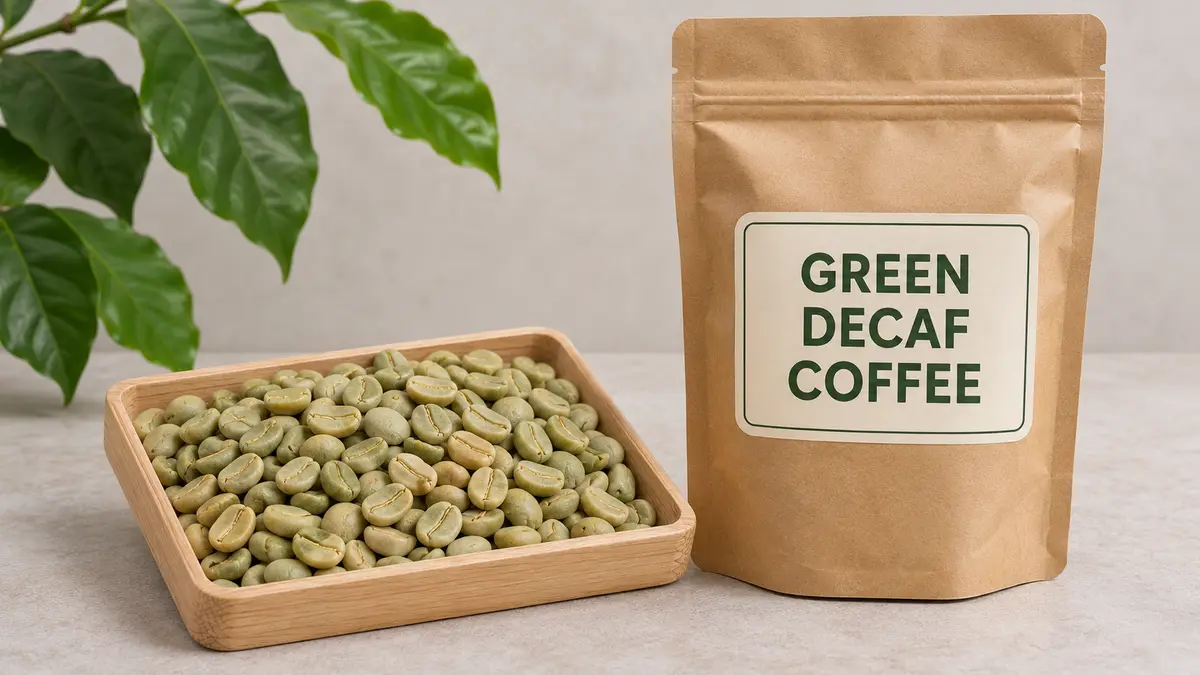
Duty on green decaffeinated coffee beans
Read from the UK Trade Tariff on 5 October 2026, green decaffeinated coffee beans fall under 0901 12 00 00 within heading 0901. The China duty is 8%, with no anti-dumping or countervailing measure and no suspension listed. The table includes neighbouring coffee lines for comparison; ordinary green beans have a different duty treatment.
The tariff attaches an organic products import control. Confirm the certificate-of-inspection requirement for organic coffee with your organic control body; the certificate is issued by the exporter's control body in the country of export. Confirm the applicable organic import paperwork with your customs broker before shipment.
Confirm that the beans are both unroasted and decaffeinated when checking the commodity code. See the wider coffee guide for other processing forms. Confirm the applicable VAT treatment with HMRC or your customs broker; see UK import duty and VAT.
| Goods | Commodity code | Duty | Anti-dumping or countervailing duty on China |
|---|---|---|---|
| Green decaffeinated coffee beans | 0901 12 00 00 | 8% | None |
| Green coffee beans, not decaffeinated | 0901 11 00 00 | 0% | None |
| Roasted decaffeinated coffee beans | 0901 22 00 00 | 8% | None |
| Roasted coffee beans, not decaffeinated | 0901 21 00 00 | 6% | None |
Specify the decaffeination process and finished lot
Specify species, growing origin, processing history and the decaffeination method. Identify the processor as well as the exporter. Agree a residual caffeine specification and a laboratory method, then request a report linked to the finished lot. A description such as water-processed should be supported by processing records.
Agree moisture, screen size, defect allowance, foreign matter and sensory acceptance against an approved sample. Ask for pesticide residue reports demonstrating compliance with applicable maximum residue levels. Where solvents are used, ask the laboratory which residue checks suit the documented process. Specify sealed liners and dry, odour-free transport.
Worked duty example
Illustrative example, not a quote: Illustrative order: 2 tonnes of green decaffeinated coffee beans in lined sacks under 0901 12 00 00, invoiced at £24,000 free on board, with £1,800 of freight and insurance to the UK. The customs value is £25,800. Duty at 8% is £2,064. Import VAT at 20% is charged on the customs value plus duty, £27,864, so it is £5,572.80. Import taxes total £7,636.80; a VAT-registered importer can usually reclaim the VAT, so the lasting cost is the £2,064 of duty. The import duty and VAT guide explains each step. This assumes the goods are standard-rated for VAT. Most food for human consumption is zero-rated, and animal feed can be too, in which case no import VAT is due, so check the rate for your product in HMRC's VAT Notice 701/14.
Inspection checklist
Identity: match sack markings, processor records and laboratory reports to the purchased decaffeinated lot.
Caffeine: check the finished-lot result against the agreed specification; a report for the original untreated beans is insufficient.
Condition: measure moisture, check screen distribution and count black, sour, broken and insect-damaged beans. Roast and cup a sample against the approved sample.
Packing: inspect liners, seals and sacks for moisture, mould and odours on arrival. Record affected lots and arrange relevant laboratory testing through testing and certification.
Working out your own order? Send us the product on WhatsApp and we reply the same working day: WhatsApp us
What goes wrong
An untreated green-bean sample can be approved while a different decaffeinated lot is shipped. A generic caffeine report or an undocumented process claim makes the mismatch harder to detect. Approve samples after decaffeination and link acceptance records to the shipment.
Wet beans, damaged liners and container odours can undermine an otherwise acceptable lot. Separate suspect stock pending assessment. Unsafe food must not be placed on the market. Use a written sampling and acceptance brief with your quality inspection.
Cambridge China Bridge sources these products for UK businesses, checking the factory and the documents before shipment. See factory verification. For repeat volumes, see container programmes.
Frequently asked questions
What is the UK import duty on green decaffeinated coffee beans from China?
The recorded duty is 8% under 0901 12 00 00. No anti-dumping or countervailing duty or suspension is listed.
Are decaffeinated green coffee beans duty-free?
No. The 0% rate for green beans that are not decaffeinated does not apply. Green decaffeinated beans carry 8% duty.
What paperwork does organic decaf coffee need?
Confirm whether your organic coffee shipment needs a certificate of inspection with your organic control body. The exporter's control body issues it in the country of export. Confirm the import paperwork before shipping.
How do I check that green coffee beans are decaffeinated?
Request processing records and a residual caffeine report for the finished lot. Match the report to sack markings and compare the result with your agreed specification.