Sourcing glass cleaning liquids from China
Glass cleaning liquids from China carry 4% UK duty on both retail and bulk cleaning-preparation lines, so the relevant duty range is a single rate. For Great Britain, confirm with HSE whether detergent rules apply and what English label information is required. Cambridge China Bridge sources glass cleaning liquids.
Buying from China for a business? How our UK China sourcing agent service works · China sourcing agent for small orders and first imports
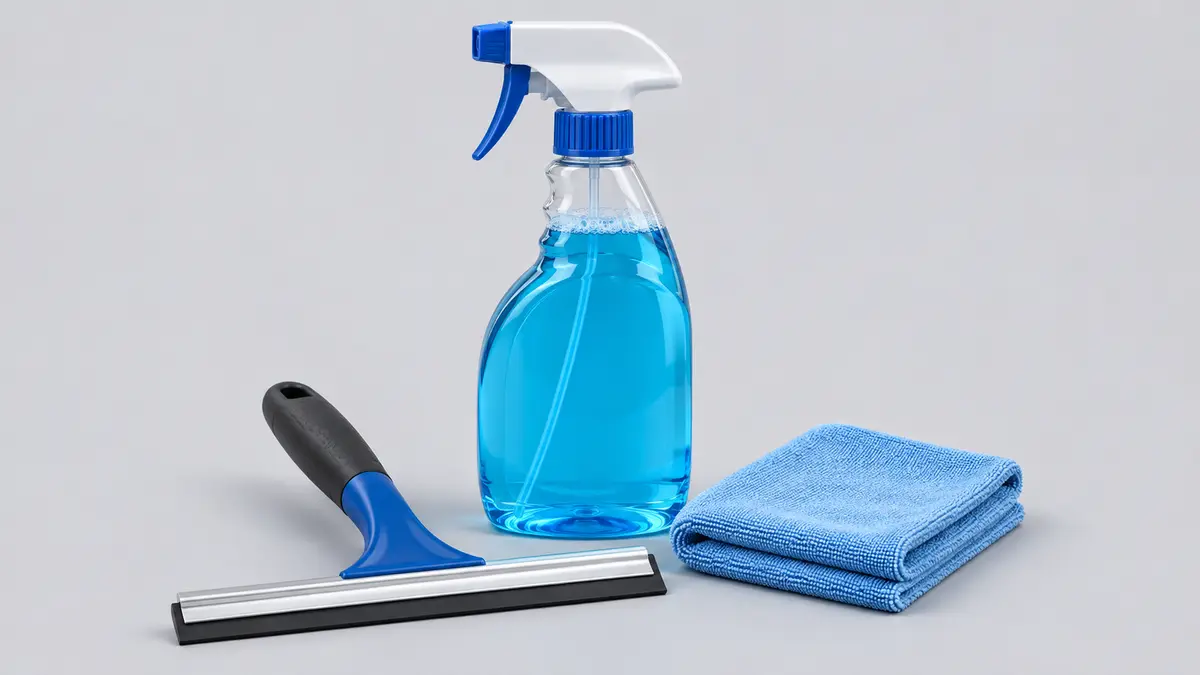
4% duty on formulated glass cleaning liquids
Read from the UK Trade Tariff on 14 December 2026, heading 3402 covers organic surface-active agents and washing and cleaning preparations, whether or not containing soap, excluding goods of heading 3401. This guide concerns glass cleaning liquids without disinfectant claims. Compare retail cleaning preparations under 3402 50 90 00 with non-retail cleaning preparations under 3402 90 90 00.
Both cleaning-preparation lines carry 4% duty for goods from China, with no listed anti-dumping duty, countervailing duty, suspension or import control. The surface-active preparation rows are formulation-dependent comparisons; 3402 90 10 90 has a suspension restricted to specified preparations. Raw-surfactant lines elsewhere in this heading carry waste import controls. In England, waste shipment controls apply only to waste. For any proposed waste shipment from China, ask your customs broker to confirm the applicable requirements.
Provide the complete formula, intended use and packaging presentation to confirm the commodity code. Do not assume a suspension applies to a finished glass cleaner. See the professional window-cleaning squeegees guide for the wider window-cleaning range.
| Goods | Commodity code | Duty | Anti-dumping or countervailing duty on China |
|---|---|---|---|
| Retail washing and cleaning preparations, including glass cleaners | 3402 50 90 00 | 4% | None |
| Non-retail washing and cleaning preparations, including bulk glass cleaners | 3402 90 90 00 | 4% | None |
| Retail surface-active preparations; compare against the formulation | 3402 50 10 00 | 4% | None |
| Other non-retail surface-active preparations; formulation-dependent comparison | 3402 90 10 90 | 4% | None |
Specify drying, streaking and the spray pack
Specify ready-to-use liquid or concentrate, surfactants, solvent and ammonia content, acidity or alkalinity, fragrance, colour and dilution instructions. Define intended uses on windows and mirrors, and identify any coated glass or surrounding finishes included in the claims. Agree tests for fingerprints, greasy marks, drying time, streaking and haze using the same cloth, water and wiping method.
For Great Britain, confirm with HSE what English detergent label information is required and whether consumer detergents need an edited ingredient data sheet on a publicly accessible website. Importers are responsible for chemical classification. Hazardous chemicals supplied for use at work need a safety data sheet. Request the full formulation and surfactant biodegradability records, and confirm the actual mixture's hazard-label and UK REACH responsibilities with HSE.
Agree bottle material, trigger output, spray pattern, lock, seals, fill quantity and carton arrangement. Test the liquid in the proposed bottle and trigger after storage and transport simulation. Approve the formula, cleaning-only claims and artwork together. Use testing and certification support to define checks where supplier records leave questions unanswered.
Worked duty example
Illustrative example, not a quote: Illustrative trial pallet of bottled glass cleaning liquid under 3402 50 90 00, invoiced at £2,200 free on board, with £1,168 of freight and insurance to the UK. The customs value is £3,368. Duty at 4% is £134.72. Import VAT at 20% is charged on the customs value plus duty, £3,502.72, so it is £700.54. Import taxes total £835.26; a VAT-registered importer can usually reclaim the VAT, so the lasting cost is the £134.72 of duty. The import duty and VAT guide explains each step.
Inspection checklist
Liquid: compare appearance, clarity, odour and acidity or alkalinity with the approved sample; check separation, sediment and unexpected colour changes.
Glass performance: remove agreed fingerprints and greasy marks using the stated dilution and wiping method; inspect dried glass against the light for streaks, haze and residue.
Bottle and trigger: measure fill quantity, check spray consistency and locking, and inspect seals, bottle necks and caps for leakage; look for wet cartons on arrival.
Documents: match the batch formulation, applicable safety data sheet, English artwork and consumer ingredient information to the delivered goods. Use the quality inspection guide to agree how discrepancies will be recorded.
Working out your own order? Send us the product on WhatsApp and we reply the same working day: WhatsApp us
What goes wrong
A cleaner can remove fingerprints while leaving a film visible in sunlight. Different cloths, water quality or dilution can make samples appear better than production stock. Keep the wiping method fixed, inspect only after drying, and repeat the agreed test on production samples.
A changed solvent or fragrance can affect drying, odour and packaging compatibility. Triggers may dribble or lose their spray pattern, while caps seep during transport. Retain approved samples and require written agreement before formula or packaging changes; investigate differences before releasing stock.
Cambridge China Bridge sources these products for UK businesses, checking the factory and the documents before shipment. See factory verification. For repeat volumes, see container programmes.
Frequently asked questions
What is the UK import duty on glass cleaner from China?
The supplied tariff facts show 4% for retail cleaning preparations under 3402 50 90 00 and non-retail cleaning preparations under 3402 90 90 00, with no listed trade remedy or suspension on either line.
Can I sell glass cleaner with Chinese-only labels?
For Great Britain, confirm with HSE what detergent label information must be in English and whether other languages may also appear. Check the English artwork against the actual formulation before printing.
Does imported glass cleaner need a safety data sheet?
Hazardous chemicals supplied for use at work need a safety data sheet. Confirm the requirements for the actual mixture with HSE and check that the supplier's document matches the formula.
How do I check whether glass cleaner leaves streaks?
Use agreed fingerprints and greasy marks, the stated dilution and the same cloth and wiping method. Let the glass dry, then inspect against the light for streaks, haze and residue beside the approved sample.