Sourcing garden rakes from China
Garden rakes with steel working heads from China carry 0% UK duty under 8201 30 00 00. Consumer rakes sold in Great Britain must be safe in normal or reasonably foreseeable use. Specify tine stiffness, head fixing and handle material before ordering. Cambridge China Bridge sources garden rakes.
Buying from China for a business? How our UK China sourcing agent service works · China sourcing agent for small orders and first imports
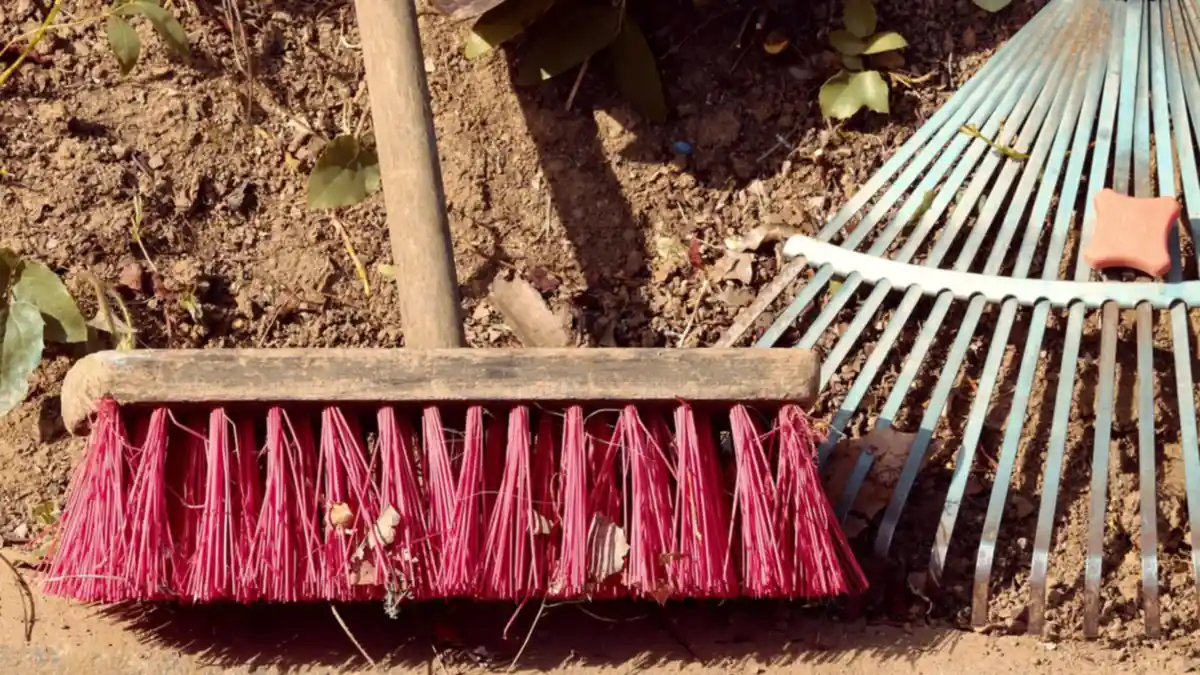
Garden rake duty and classification
Read from the UK Trade Tariff on 1 October 2026, heading 8201 covers agricultural, horticultural and forestry hand tools. Garden rakes with steel working heads fall within 8201 30 00 00, alongside mattocks, picks and hoes. The table shows rake variants sharing this code, rather than separate tariff subdivisions.
The supplied tariff record gives 0% duty for goods from China and lists no anti-dumping or countervailing measures, suspensions or attached import controls for this line. The zero duty rate does not remove the product safety obligation.
Confirm the working-head material and intended use with the commodity code guide. For the wider heading, see garden hand tools.
| Goods | Commodity code | Duty | Anti-dumping or countervailing duty on China |
|---|---|---|---|
| Garden soil rakes with rigid steel teeth | 8201 30 00 00 | 0% | None |
Specify the rake head, tines and handle joint
State whether the rake is for levelling soil, collecting leaves or clearing between shrubs. Agree head width, tine count, spacing, length and section, together with overall length and weight. A soil rake needs rigid teeth; a leaf rake needs tines that flex and recover. Approve a sample in the intended task.
Specify steel grade, heat treatment, coating and the method used to attach the head. For wooden handles, agree timber species and grain quality; for tubular handles, agree wall thickness and joint construction. Record the socket fit, rivets or screws, grip attachment and any telescopic lock on the drawing.
Consumer garden rakes sold in Great Britain must be safe in normal or reasonably foreseeable use. Include exposed tine ends, loose heads, splintering handles and finger traps in the sample review. Agree protective packing and clear assembly and use information with the factory.
Worked duty example
Illustrative example, not a quote: Illustrative batch of steel leaf rakes for a garden retailer under 8201 30 00 00, invoiced at £4,500 free on board, with £450 of freight and insurance to the UK. The customs value is £4,950. Duty at 0% is £0. Import VAT at 20% is charged on the customs value plus duty, £4,950, so it is £990. With no duty, the only import tax is the VAT, which a VAT-registered importer can usually reclaim. The import duty and VAT guide explains each step.
Inspection checklist
Head and tines: compare dimensions and alignment with the approved sample; check welds, burrs and tine attachment. Flex leaf-rake tines and check recovery; load soil-rake teeth to the agreed acceptance criteria.
Handle fixing: check socket fit, rivets, screws and grip security. Pull and twist the assembled head using the agreed test; check for looseness, splitting and permanent movement.
Materials and finish: compare material records with the order, check sample hardness where specified, and inspect coating coverage. Look for rust, sharp seams, wooden splinters and knots near the socket.
Arrival condition: inspect for bent heads, crushed tines and damp handles. Check supplied assembly information and agreed product identification. Use the inspection guide to document checks before shipment and on arrival.
Working out your own order? Send us the product on WhatsApp and we reply the same working day: WhatsApp us
What goes wrong
A leaf rake can look correct but leave debris behind if the tines are too stiff or widely spaced. Soft soil-rake teeth bend on stones, while brittle tines can crack during flexing. Check working performance as well as appearance, and compare production samples with the approved rake.
Loose sockets and weak rivets let the head rotate or detach. Cross-grained wooden handles can split at the joint, and thin tubular handles can buckle. Nesting rake heads without protection bends the outer tines during transport. Agree packing that separates heads and supports long handles.
Cambridge China Bridge sources these products for UK businesses, checking the factory and the documents before shipment. See factory verification. For repeat volumes, see container programmes.
Frequently asked questions
What is the UK import duty on garden rakes from China?
Garden rakes under 8201 30 00 00 carry 0% duty from China. The supplied tariff record lists no anti-dumping or countervailing measures for this line.
Do garden rakes need to meet product safety rules?
Review tine ends, head security, handle splinters and any moving joints.
What should I specify to a Chinese rake factory?
Specify the intended task, head width, tine geometry and stiffness, steel grade, heat treatment, handle material, socket fixing and coating. Approve a working sample.
How do I check garden rakes on arrival?
Check tine alignment and recovery, head and handle security, splinters, rust and transport damage. Compare the rakes with the approved sample and agreed inspection criteria.