Sourcing frozen grilled aubergine from China
Frozen grilled aubergine from China carries 16% UK duty under the likely residual code, with the same rate across unmixed cuts. Fruit and vegetables normally need no health certificate; organic imports need a valid Certificate of Inspection. Cambridge China Bridge sources frozen grilled aubergine.
Buying from China for a business? How our UK China sourcing agent service works · China sourcing agent for small orders and first imports
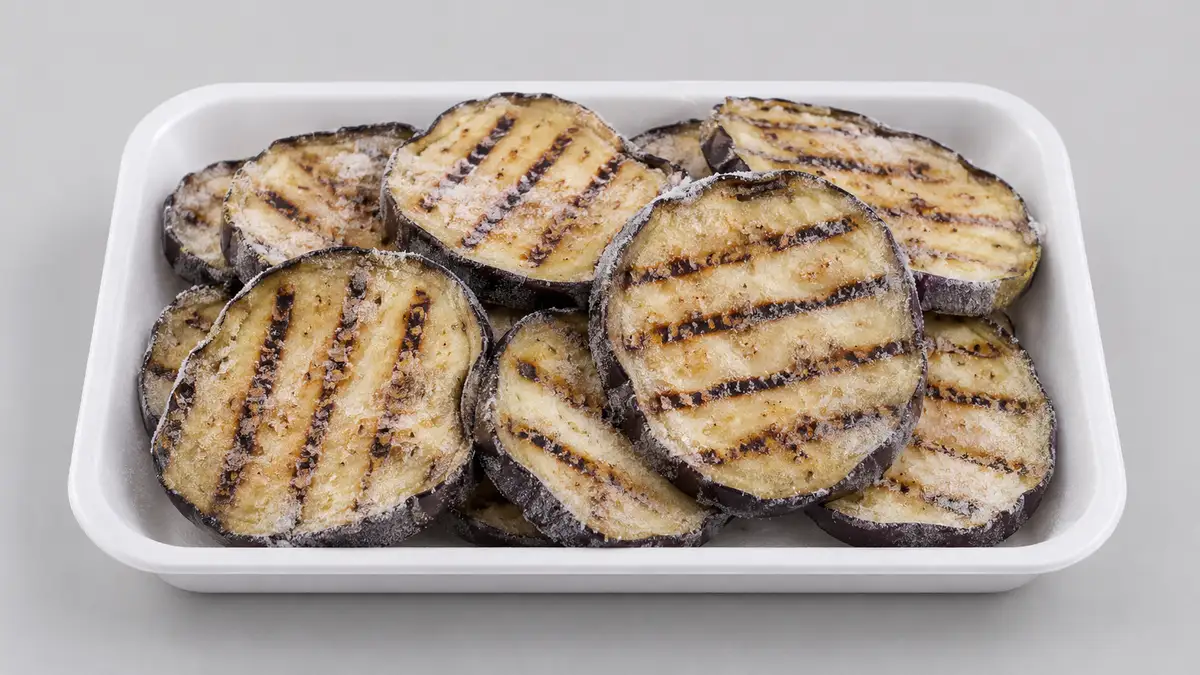
Aubergine cuts share the residual duty line
Read from the UK Trade Tariff on 30 September 2026, heading 2004 covers frozen vegetables prepared or preserved otherwise than by vinegar or acetic acid, excluding sugar-preserved products. Frozen grilled aubergine without other vegetables or animal ingredients is a candidate for 2004 90 98 80, the residual other-vegetables line. The table shows different presentations of that same tariff line, rather than separate codes for each cut.
That line carries 16% duty for goods from China, with no recorded anti-dumping duty, countervailing duty or suspension. The tariff attaches veterinary and organic import controls. Fruit and vegetables normally need no health certificate; the official composite-product guidance addresses preparations containing animal products. Have your customs broker confirm how the veterinary control applies to the complete recipe. Organic aubergine imported from China into Great Britain needs a valid Certificate of Inspection.
Confirm the commodity code using the recipe, grilling process and frozen presentation before ordering. Added vegetables or animal ingredients need a fresh classification and control check. For other products within this heading, see frozen cooked mixed vegetables.
| Goods | Commodity code | Duty | Anti-dumping or countervailing duty on China |
|---|---|---|---|
| Frozen grilled aubergine slices, without other vegetables or animal ingredients | 2004 90 98 80 | 16% | None |
Specify the cut, grilling and intended use
Agree slices, strips, halves or dice, skin retention, thickness tolerance, seediness and acceptable broken pieces. Define grill marks separately from overall browning, and approve a cooked sample for bitterness, smoky flavour and texture. State the oil type, oil content, salt and seasoning in the written recipe.
Agree whether the product is intended for further cooking or use after thawing. Request evidence supporting the factory's cooking process, microbiological specification and shelf life. Specify loose pieces or blocks, bag size, sealing, storage conditions and transport temperature monitoring. Confirm with the relevant food authority the retail-pack labelling requirements for the food name, ingredients, allergens, net quantity, date mark, storage conditions and UK business name and address.
Worked duty example
Illustrative example, not a quote: Illustrative order: 5 tonnes of frozen grilled aubergine slices under 2004 90 98 80, invoiced at £15,000 free on board, with £1,200 of freight and insurance to the UK. The customs value is £16,200. Duty at 16% is £2,592. Import VAT at 20% is charged on the customs value plus duty, £18,792, so it is £3,758.40. Import taxes total £6,350.40; a VAT-registered importer can usually reclaim the VAT, so the lasting cost is the £2,592 of duty. The import duty and VAT guide explains each step. This assumes the goods are standard-rated for VAT. Most food for human consumption is zero-rated, and animal feed can be too, in which case no import VAT is due, so check the rate for your product in HMRC's VAT Notice 701/14.
Inspection checklist
Cut and grilling: compare sampled pieces with the approved thickness, skin, browning and grill marks; check for burnt edges, tough skin and excessive seeds.
Thawing and reheating: use the agreed preparation method; assess water release, oiliness, bitterness, texture and whether slices remain intact.
Frozen arrival: review temperature records and check for ice build-up, fused pieces, damaged bags and thawed product; hold suspect stock for assessment.
Recipe and records: match labels, batch identification and test reports to the approved formulation; check net weight and declared allergens. Use the inspection guide to brief the inspector.
Working out your own order? Send us the product on WhatsApp and we reply the same working day: WhatsApp us
What goes wrong
A sample can look evenly grilled while the shipment contains pale centres, burnt edges and uneven thickness. Excess oil or water can make reheated slices limp and reduce usable yield. Fused pieces complicate portioning, while broken seals and incomplete temperature records make arrival condition harder to assess.
Grill marks do not establish readiness to eat. Resolve the intended use and supporting process evidence before approving cooking instructions. Keep the approved recipe with the order so changes to seasoning, animal ingredients or organic claims trigger a review before dispatch.
Cambridge China Bridge sources these products for UK businesses, checking the factory and the documents before shipment. See factory verification. For repeat volumes, see container programmes.
Frequently asked questions
What is the UK import duty on frozen grilled aubergine from China?
The likely code, 2004 90 98 80, carries 16% duty in the supplied tariff reading. No anti-dumping duty, countervailing duty or suspension is recorded. Confirm the complete recipe before declaring.
Does frozen grilled aubergine need a health certificate?
Fruit and vegetables normally do not. The tariff nevertheless attaches veterinary control to this code, so ask your customs broker to confirm its application to the exact recipe, especially if animal ingredients are added.
Can I import organic grilled aubergine from China?
Organic food imported into Great Britain from China needs a valid Certificate of Inspection. Confirm the supplier's organic documentation and the import arrangements before shipment.
How should I check frozen grilled aubergine on arrival?
Review temperature records and bag seals, then prepare samples using the agreed method. Compare thickness, grill marks, water release, oiliness, bitterness and texture with the approved sample.