Sourcing Fresh Table Grapes from China
Fresh table grapes from China carry an 8% UK tariff rate, suspended to 0% in the supplied tariff reading. Fresh produce must meet quality and labelling requirements; confirm conformity paperwork and plant-health requirements before shipment to Great Britain. Cambridge China Bridge sources fresh table grapes.
Buying from China for a business? How our UK China sourcing agent service works · China sourcing agent for small orders and first imports
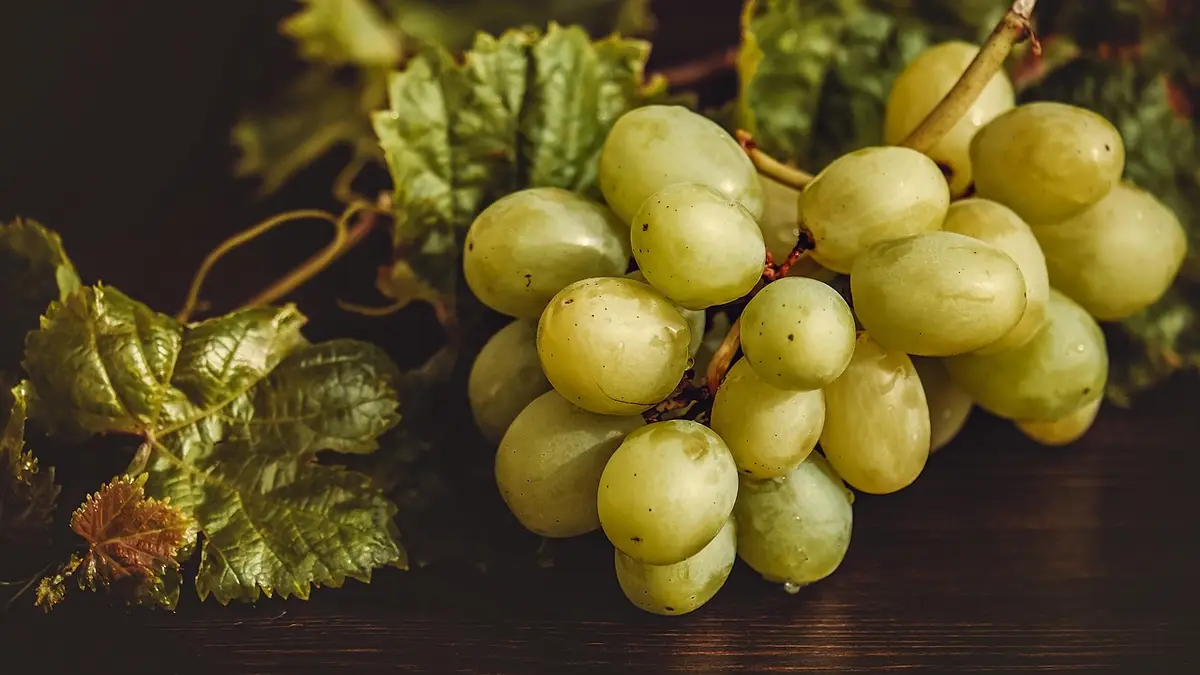
Fresh table grape duty and attached controls
Read from the UK Trade Tariff on 11 November 2026, heading 0806 covers fresh and dried grapes. Its fresh table grape lines carry 8% duty on goods from China, with an autonomous suspension to 0.00 %. The suspension excludes mixtures, preparations and products containing different components. The supplied reading lists no anti-dumping or countervailing duty for these lines and gives no suspension expiry date.
The tariff attaches HMI Conformity Certificate (fruit and veg) issued in UK, Certificate of Conformity, Import control of organic products and Unit price measures. Confirm the applicable certificate, organic and valuation requirements with your customs broker before dispatch. For organic consignments, the exporter’s control body issues the certificate of inspection. If your broker proposes simplified procedure values, check that the goods meet the scheme’s eligibility criteria.
The Emperor line applies from 1 January to 31 January and from 1 December to 31 December; the other table grape line covers other entries. The table separates buying options sharing these codes. Confirm the variety and import date using commodity code guidance. For the dried-grape part of this heading, see raisins and sultanas.
| Goods | Commodity code | Duty | Anti-dumping or countervailing duty on China |
|---|---|---|---|
| Emperor fresh table grapes, January imports | 0806 10 10 05 | 8% | None |
| Other fresh table grapes, seeded varieties | 0806 10 10 90 | 8% | None |
Variety, ripeness and chilled packing
Specify the named variety, seeded or seedless fruit, skin colour, berry size, bunch size, sweetness, firmness and acceptable loose berries. Agree the quality class, pack format, net weight and acceptance criteria before ordering. Fresh fruit must meet quality and labelling requirements, so review the proposed labels alongside the fruit specification.
Agree harvest and packing records, cooling arrangements, transport temperature and temperature recording with the grower and packhouse. Ask your broker to confirm the plant-health risk category for Chinese grapes: medium B risk fruit requires a phytosanitary certificate. Match any certificate to the shipment rather than accepting an unrelated supplier document.
Worked duty example
Illustrative example, not a quote: Illustrative order: 2,500 kg of seedless fresh table grapes under 0806 10 10 90, invoiced at £3,800 free on board, with £2,500 of freight and insurance to the UK. The customs value is £6,300. Duty at 8% is £504. Import VAT at 20% is charged on the customs value plus duty, £6,804, so it is £1,360.80. Import taxes total £1,864.80; a VAT-registered importer can usually reclaim the VAT, so the lasting cost is the £504 of duty. The import duty and VAT guide explains each step. This assumes the goods are standard-rated for VAT. Most food for human consumption is zero-rated, and animal feed can be too, in which case no import VAT is due, so check the rate for your product in HMRC's VAT Notice 701/14.
Inspection checklist
Fruit: sample cartons across the load for split skins, soft berries, mould, pests, uneven ripeness and loose berries; compare firmness and sweetness with the agreed specification.
Cold chain: examine temperature records, arrival fruit temperature, condensation, shrivelled berries and browned stems.
Packing: check crushed cartons, ventilation, liners, net weight and whether the fruit underneath matches the visible top layer.
Records: match variety, origin, quality class and batch identification across cartons and paperwork; obtain pesticide residue results for the shipped lot and check applicable limits.
Working out your own order? Send us the product on WhatsApp and we reply the same working day: WhatsApp us
What goes wrong
Fruit can look acceptable at loading but arrive with detached berries, brown stems, leaking split skins or mould. Uneven cooling, condensation and crushed cartons can undermine the agreed condition. Photograph representative cartons on arrival, preserve temperature records and keep affected lots separate while assessing the claim.
Paperwork can also describe a different variety or batch from the shipment. Resolve certificate and tariff-control questions before dispatch, including any organic claim. Agree who reviews arrival defects and what evidence supports a claim; use quality inspection guidance to prepare the inspection brief.
Cambridge China Bridge sources these products for UK businesses, checking the factory and the documents before shipment. See factory verification. For repeat volumes, see container programmes.
Frequently asked questions
What is the UK import duty on fresh table grapes from China?
The supplied tariff reading shows 8%, with an autonomous suspension to 0.00 %. No anti-dumping or countervailing duty is listed for the fresh table grape lines.
Do Chinese table grapes need a phytosanitary certificate?
Confirm their current plant-health risk category with your broker before shipment. Official guidance requires a phytosanitary certificate for medium B risk fruit and vegetables.
What paperwork should I check for organic grapes?
The tariff attaches an organic import control. Confirm the applicable requirements with your broker; the exporter’s control body issues the certificate of inspection.
What should I check when fresh grapes arrive?
Check temperature records, firmness, sweetness, split skins, mould, loose berries, stem condition, carton damage and net weight against the agreed specification.