Sourcing fresh sugar snap peas from China
Fresh sugar snap peas from China pay 8% UK duty; the wider heading ranges from 8% to 10%. Confirm phytosanitary certification requirements with APHA or your customs broker, and pesticide-residue requirements with the relevant GB food safety authority. Agree pod maturity and chilled handling before shipment. Cambridge China Bridge sources fresh sugar snap peas.
Buying from China for a business? How our UK China sourcing agent service works · China sourcing agent for small orders and first imports
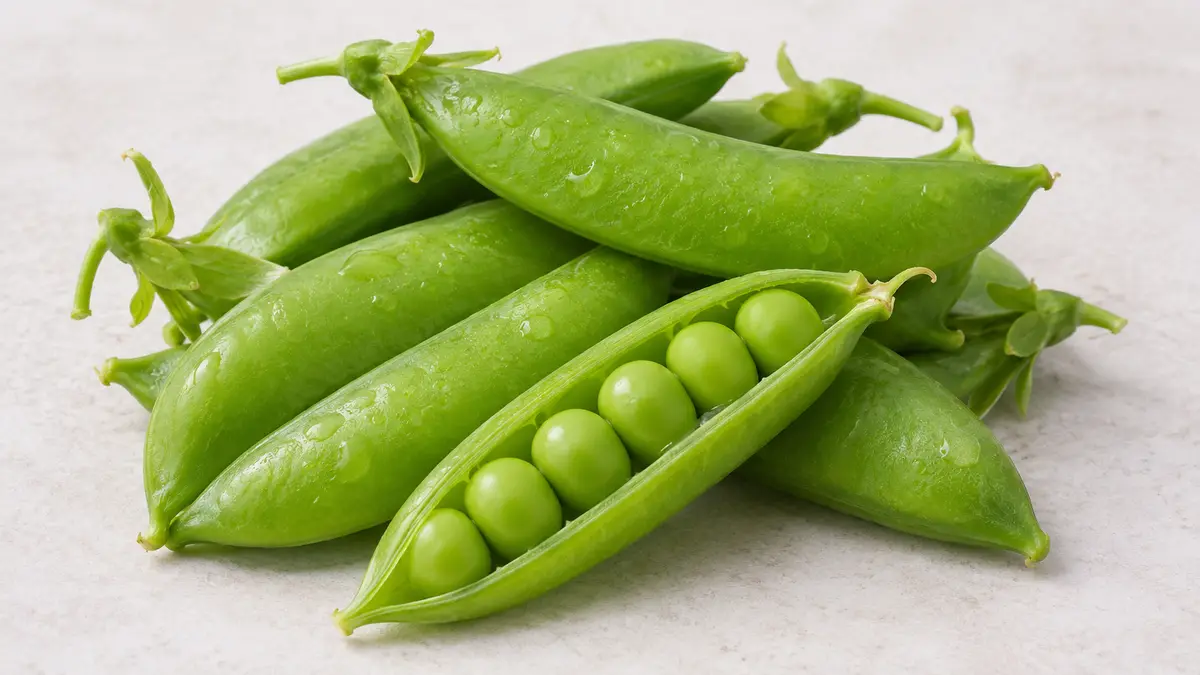
Fresh sugar snap peas: 8% duty
Read from the UK Trade Tariff on 29 September 2026, heading 0708 covers fresh or chilled leguminous vegetables, shelled or unshelled. Fresh sugar snap peas fall under the peas line, 0708 10 00 00, at 8% for goods from China. The listed pack formats share this commodity line. Other lines in the heading carry 10%. No anti-dumping or countervailing duty or suspension is recorded for the peas line.
Ask APHA or your customs broker to confirm whether fresh edible pea pods from China fall within Defra's residual medium risk B category. For medium risk B goods, a phytosanitary certificate is required for Great Britain; plant-health pre-notification is not required for that category. The tariff also attaches an organic import control. The organic certificate of inspection is issued by the exporter's control body in the country of export. Ask your customs broker and organic control body to confirm the full requirements before ordering organic stock.
Confirm the species, fresh or chilled condition and presentation using finding your commodity code. For the frozen alternative, see frozen sugar snap peas. Agree the customs description before dispatch.
| Goods | Commodity code | Duty | Anti-dumping or countervailing duty on China |
|---|---|---|---|
| Fresh sugar snap peas, whole pods in bulk cartons | 0708 10 00 00 | 8% | None |
Specify edible pods and arrival condition
Specify sugar snap peas with fleshy edible pods, rather than flat mangetout or peas intended for shelling. Agree variety, pod length and fullness, tenderness, stringiness, trimming and acceptable defects against a retained sample. State whether the supply is loose for catering or packed for retail.
Agree pre-cooling, chilled transport, temperature recording, pack ventilation and remaining shelf life on arrival. Fresh produce must meet quality and labelling requirements throughout production and marketing. Confirm food-business registration and applicable pesticide maximum residue requirements with the relevant GB food safety authority; request a lot-specific report from an accredited laboratory.
Worked duty example
Illustrative example, not a quote: Illustrative order only: 5 tonnes of chilled sugar snap peas in bulk cartons under 0708 10 00 00, invoiced at £18,000 free on board, with £4,500 of freight and insurance to the UK. The customs value is £22,500. Duty at 8% is £1,800. Import VAT at 20% is charged on the customs value plus duty, £24,300, so it is £4,860. Import taxes total £6,660; a VAT-registered importer can usually reclaim the VAT, so the lasting cost is the £1,800 of duty. The import duty and VAT guide explains each step. This assumes the goods are standard-rated for VAT. Most food for human consumption is zero-rated, and animal feed can be too, in which case no import VAT is due, so check the rate for your product in HMRC's VAT Notice 701/14.
Inspection checklist
Pods: check rounded shape, green colour, firmness and tenderness against the approved sample; record yellowing, shrivelling, splitting and tough strings.
Condition: examine packs for mould, soft decay, wet surfaces, pest damage, soil and foreign matter; open cartons from different positions in the load.
Cold chain: compare arrival temperature and transport records with the agreed specification, and assess remaining shelf life before accepting the shipment.
Identity and weight: match carton lot codes to residue reports and shipping documents; check pack weights, origin information and the phytosanitary certificate. Use the quality inspection guide to define the checks.
Working out your own order? Send us the product on WhatsApp and we reply the same working day: WhatsApp us
What goes wrong
A supplier may substitute flat mangetout or harvest pods too late, leaving fibrous walls and tough strings. Warm handling causes loss of firmness, while wet packaging can leave decay hidden beneath apparently sound pods. Photographs of the top layer cannot establish the condition of the whole load.
Unmatched lot codes weaken confidence that the residue report covers the delivered peas. Missing plant-health paperwork can disrupt arrival plans. Set acceptance criteria for maturity, condition and remaining shelf life before dispatch, then record defects and temperature evidence on arrival.
Cambridge China Bridge sources these products for UK businesses, checking the factory and the documents before shipment. See factory verification. For repeat volumes, see container programmes.
Frequently asked questions
What is the UK import duty on fresh sugar snap peas from China?
The peas line, 0708 10 00 00, carries 8% duty for goods from China in the supplied tariff snapshot. No anti-dumping or countervailing duty or suspension is recorded for that line.
Do fresh sugar snap peas from China need a phytosanitary certificate?
Confirm with APHA or your broker whether fresh edible pods fall under the residual medium risk B category for Great Britain and what phytosanitary certification is needed. Confirm the product and route before shipment.
Are sugar snap peas the same as mangetout?
Sugar snap peas have fleshy, rounded edible pods; mangetout have flatter pods. Specify the intended variety and approve a sample so the supplier does not substitute the product.
What should I check when fresh sugar snap peas arrive?
Check firmness, tenderness, colour, decay, pest damage, pack weights and temperature records. Match lot codes to residue reports and assess the remaining shelf life against your agreed specification.