Sourcing fresh lima beans from China
Fresh lima beans from China carry 10% UK import duty, with no listed trade remedy or suspension. Fresh produce must meet quality and labelling requirements; organic consignments need an inspection certificate. Confirm plant-health treatment before dispatch. Cambridge China Bridge sources fresh lima beans.
Buying from China for a business? How our UK China sourcing agent service works · China sourcing agent for small orders and first imports
Duty on fresh lima beans
Read from the UK Trade Tariff on 29 September 2026, heading 0708 covers fresh or chilled leguminous vegetables, shelled or unshelled. Fresh lima beans fit the other-beans line, 0708 20 00 80, carrying 10% duty for goods from China. The supplied record lists no anti-dumping or countervailing duty and no suspension. The other table rows distinguish different beans; they are not alternative codes for lima beans.
The tariff attaches Unit price and Import control of organic products to this line. Ask your customs broker to confirm the Unit price declaration treatment. Organic consignments from China entering Great Britain need a valid Certificate of Inspection. Separately, confirm plant-health classification with APHA for beans in pods versus shelled beans. Medium risk B goods require a phytosanitary certificate but no plant-health pre-notification.
Confirm the species, presentation and preservation method using our commodity code guide. This guide concerns fresh or chilled lima beans, rather than dried, frozen or prepared products. For the wider heading, see fresh peas and beans.
| Goods | Commodity code | Duty | Anti-dumping or countervailing duty on China |
|---|---|---|---|
| Other fresh or chilled beans, including lima beans | 0708 20 00 80 | 10% | None |
| Yard long beans, for comparison | 0708 20 00 10 | 10% | None |
| Green, wax and string beans, for comparison | 0708 20 00 20 | 10% | None |
| Broad beans, for comparison | 0708 90 00 10 | 10% | None |
Specify the lima bean and its presentation
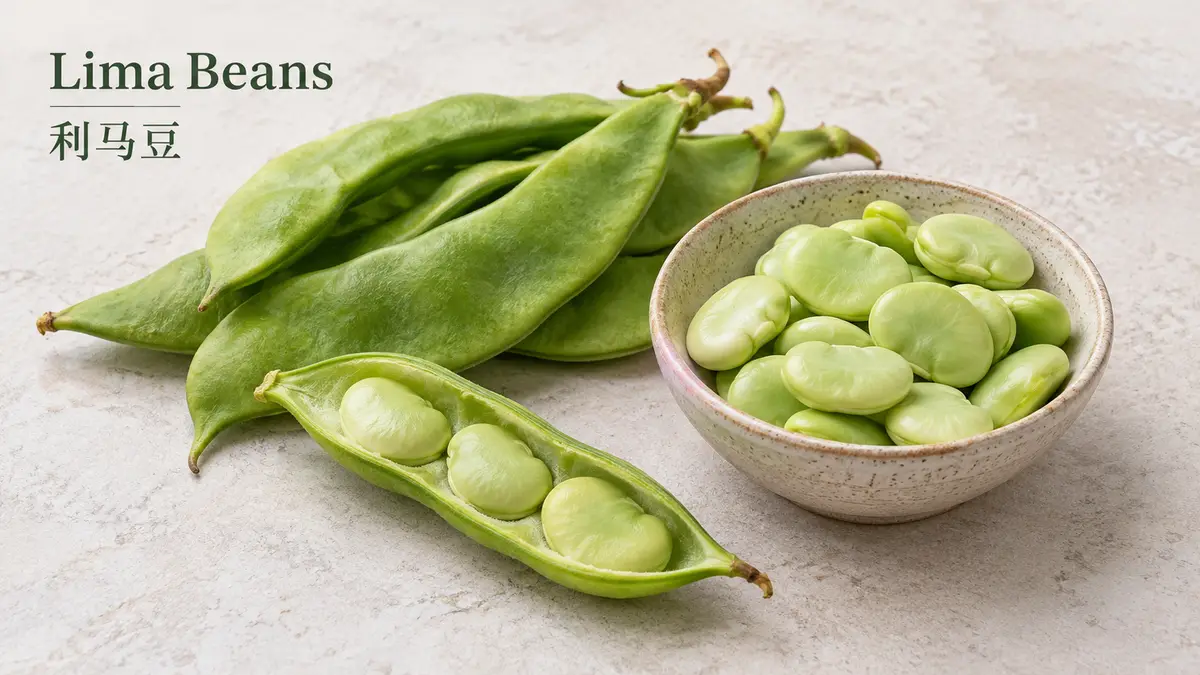
Ask the supplier for the botanical name, cultivar and photographs of pods and shelled beans. Do not accept a quotation describing the goods only as butter beans. State whether you want immature shelled beans or beans in pods, the colour and size profile, maturity, permitted skin damage and the packing format.
Agree pre-cooling, the transport temperature, temperature records and remaining shelf life on arrival. Set separate acceptance criteria for pods and shelled beans: pod appearance does not establish the condition or usable yield of the beans inside.
Fresh produce must meet quality and labelling requirements. Confirm the applicable GB pesticide residue requirements with the relevant food authority. Ask for a lot-specific residue report from an accredited laboratory, and agree pack identification and preparation instructions before approving packaging.
Worked duty example
Illustrative example, not a quote: Illustrative order only: 10,000 kg of chilled shelled lima beans under 0708 20 00 80, invoiced at £18,000 free on board, with £4,500 of freight and insurance to the UK. The customs value is £22,500. Duty at 10% is £2,250. Import VAT at 20% is charged on the customs value plus duty, £24,750, so it is £4,950. Import taxes total £7,200; a VAT-registered importer can usually reclaim the VAT, so the lasting cost is the £2,250 of duty. The import duty and VAT guide explains each step. This assumes the goods are standard-rated for VAT. Most food for human consumption is zero-rated, and animal feed can be too, in which case no import VAT is due, so check the rate for your product in HMRC's VAT Notice 701/14.
Inspection checklist
Identity: match the beans and pods to the approved cultivar and presentation, and check for substitution with broad beans or ordinary green beans.
Condition: sample across the load for shrivelling, yellowing, split skins, mould, pest damage and foreign matter. For pods, open samples and assess bean development and usable yield.
Cold chain: check arrival temperature, transport records, condensation, wet cartons and remaining shelf life against the purchase specification.
Documents and weight: match carton lot identification to the packing list and residue report, check net weights and approved labels, and verify the organic inspection certificate where applicable. See our inspection guide.
Working out your own order? Send us the product on WhatsApp and we reply the same working day: WhatsApp us
What goes wrong
An ambiguous butter-bean description can produce the wrong species or dried beans instead of fresh stock. Overmature beans can look acceptable but cook unevenly or have tough skins. Approve a representative sample and retain photographs of the agreed maturity and presentation.
Warm handling, condensation and crushed packs can leave shelled beans deteriorating before sale. Attractive pods can conceal damaged beans or poor usable yield. Record arrival condition promptly and compare opened samples, temperature records and lot documents before accepting the delivery.
Cambridge China Bridge sources these products for UK businesses, checking the factory and the documents before shipment. See factory verification. For repeat volumes, see container programmes.
Frequently asked questions
What is the UK import duty on fresh lima beans from China?
The supplied tariff record gives 10% for other fresh or chilled beans under 0708 20 00 80, with no listed trade remedy or suspension.
Do organic lima beans need an import certificate?
Yes. Confirm the paperwork with your organic control body before shipment.
Do fresh lima beans need a phytosanitary certificate?
Confirm the plant-health category with APHA for the exact presentation. Medium risk B goods need a phytosanitary certificate but no plant-health pre-notification.
What should I check when fresh lima beans arrive?
Check cultivar, maturity, skin condition, mould, arrival temperature, pack weights and lot records. Open pod samples to assess bean condition and usable yield.