Sourcing fresh runner beans from China
Fresh runner beans from China face 10% UK duty across the possible bean lines, with no trade remedies or suspensions recorded. Confirm the commodity code and plant-health paperwork before dispatch; organic consignments need a certificate of inspection. Cambridge China Bridge sources fresh runner beans.
Buying from China for a business? How our UK China sourcing agent service works · China sourcing agent for small orders and first imports
Runner bean duty and classification
Read from the UK Trade Tariff on 29 September 2026, heading 0708 covers fresh or chilled leguminous vegetables, shelled or unshelled. The supplied tariff has no separately named runner bean line. The table repeats the green/string bean and other-bean lines for fresh and chilled presentations as classification comparisons, rather than separate runner bean tariffs.
Both candidate lines carry 10% duty for goods from China. The supplied record shows no anti-dumping or countervailing duty and no suspension. It attaches organic import controls and a unit-price measure. Organic consignments entering Great Britain need a certificate of inspection issued by the exporter’s control body. Ask your customs broker to confirm the unit-price measure and its valuation implications for the shipment.
Give your broker the botanical identity, photographs, pod presentation and packing specification to confirm the commodity code. Separately confirm the plant-health risk category: high and medium-risk consignments require a phytosanitary certificate from the exporting country’s plant-health authority. For the wider heading, see fresh peas and beans.
| Goods | Commodity code | Duty | Anti-dumping or countervailing duty on China |
|---|---|---|---|
| Fresh green and string beans, classification comparison | 0708 20 00 20 | 10% | None |
| Other fresh beans of Phaseolus, classification comparison | 0708 20 00 80 | 10% | None |
Specify tender runner bean pods
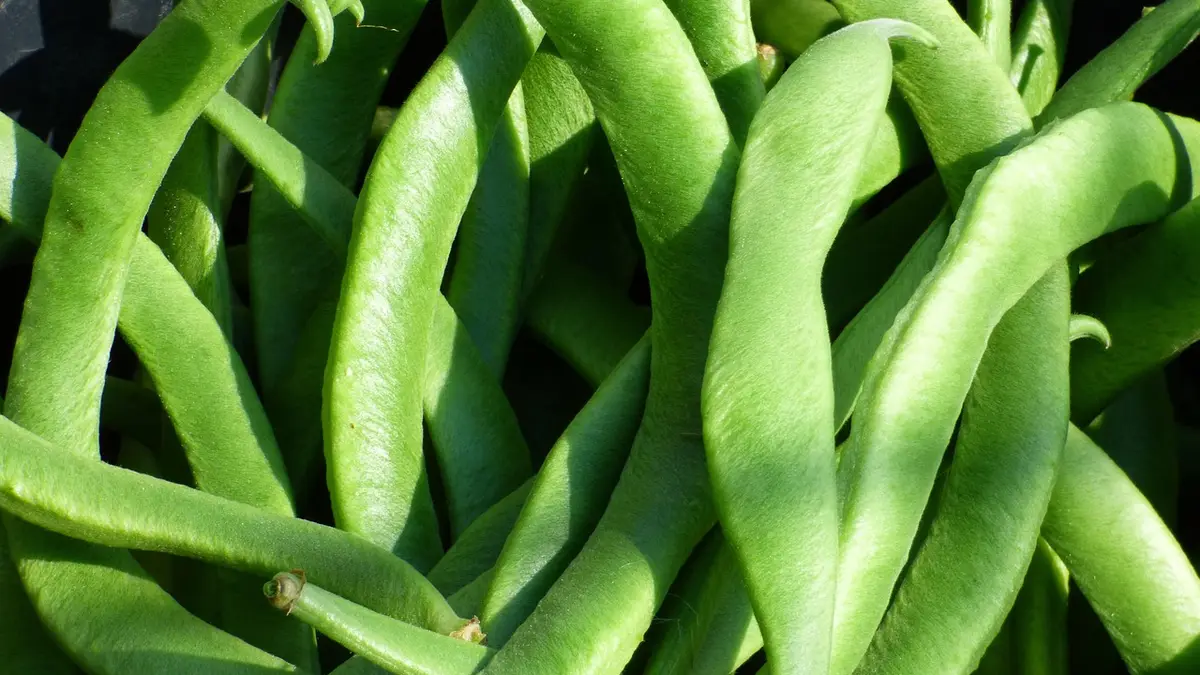
Specify runner beans by botanical identity and cultivar, supported by photographs and an approved sample. Agree pod length and width, colour, tenderness, acceptable curvature, seed development and whether tips remain attached. Include a cooked sample assessment: a pod can look acceptable while its seams remain stringy.
Agree bulk or retail packing, ventilation, net pack weight, pre-cooling, temperature recording and remaining saleable life at delivery. Fresh vegetables must meet marketing quality and labelling requirements. Confirm the applicable GB pesticide residue limits with the relevant food-safety authority; request a lot-specific laboratory report, as recommended in the published vegetable guides.
Worked duty example
Illustrative example, not a quote: Illustrative wholesale trial of whole fresh runner beans, subject to code confirmation under 0708 20 00 80, invoiced at £3,500 free on board, with £2,500 of freight and insurance to the UK. The customs value is £6,000. Duty at 10% is £600. Import VAT at 20% is charged on the customs value plus duty, £6,600, so it is £1,320. Import taxes total £1,920; a VAT-registered importer can usually reclaim the VAT, so the lasting cost is the £600 of duty. The import duty and VAT guide explains each step. This assumes the goods are standard-rated for VAT. Most food for human consumption is zero-rated, and animal feed can be too, in which case no import VAT is due, so check the rate for your product in HMRC's VAT Notice 701/14.
Inspection checklist
Identity: match the supplier’s botanical description, approved sample and shipment documents; check that another bean type has not been substituted.
Tenderness: inspect seam fibres, bend and snap sampled pods, and cook a sample to check toughness and developed seeds.
Condition: check wilting, yellowing, splits, crushed pods, decay, pests and condensation across cartons; compare temperature records with the agreed handling specification.
Packing and evidence: weigh sampled packs, check labels and lot references, and match laboratory reports and applicable certificates to the shipment. Plan the checks through quality inspection.
Working out your own order? Send us the product on WhatsApp and we reply the same working day: WhatsApp us
What goes wrong
Late-picked pods develop prominent seeds and tough fibres. Poor pre-cooling and warm handling reduce saleable life; tightly packed or wet cartons can conceal crushed pods and decay. Agree rejection criteria using actual samples, rather than relying on a supplier’s description of freshness.
A generic invoice saying only ‘beans’ leaves identity and classification unresolved. A laboratory report for another harvest does not establish the condition of the shipped lot. Settle the paperwork and arrival checks before dispatch, including the certificate of inspection when buying organic runner beans.
Cambridge China Bridge sources these products for UK businesses, checking the factory and the documents before shipment. See factory verification. For repeat volumes, see container programmes.
Frequently asked questions
What is the UK import duty on fresh runner beans from China?
The possible green/string bean and other-bean lines both carry 10% duty in the supplied tariff record. No trade remedies or suspensions are recorded. Confirm the exact code before declaring.
Do fresh runner beans need a phytosanitary certificate?
Confirm the plant-health risk category before dispatch. High and medium-risk consignments need a phytosanitary certificate from the exporting country’s plant-health authority.
What paperwork do organic runner beans need?
Organic consignments from China entering Great Britain need a certificate of inspection. Check the exporter’s control body and export country against the non-UK organic registers.
How do I check runner bean quality on arrival?
Check tenderness and seam fibres, developed seeds, wilting, yellowing, crushed pods and decay. Cook a sample, check pack weights and review the temperature record against the agreed specification.