Sourcing fresh chickpeas from China
Fresh or chilled chickpeas from China fall within the other-legume line at 10% UK duty, with no duty variation between shelled and unshelled forms in the supplied tariff facts. Confirm plant-health requirements before shipment and organic controls where relevant. Cambridge China Bridge sources fresh chickpeas.
Buying from China for a business? How our UK China sourcing agent service works · China sourcing agent for small orders and first imports
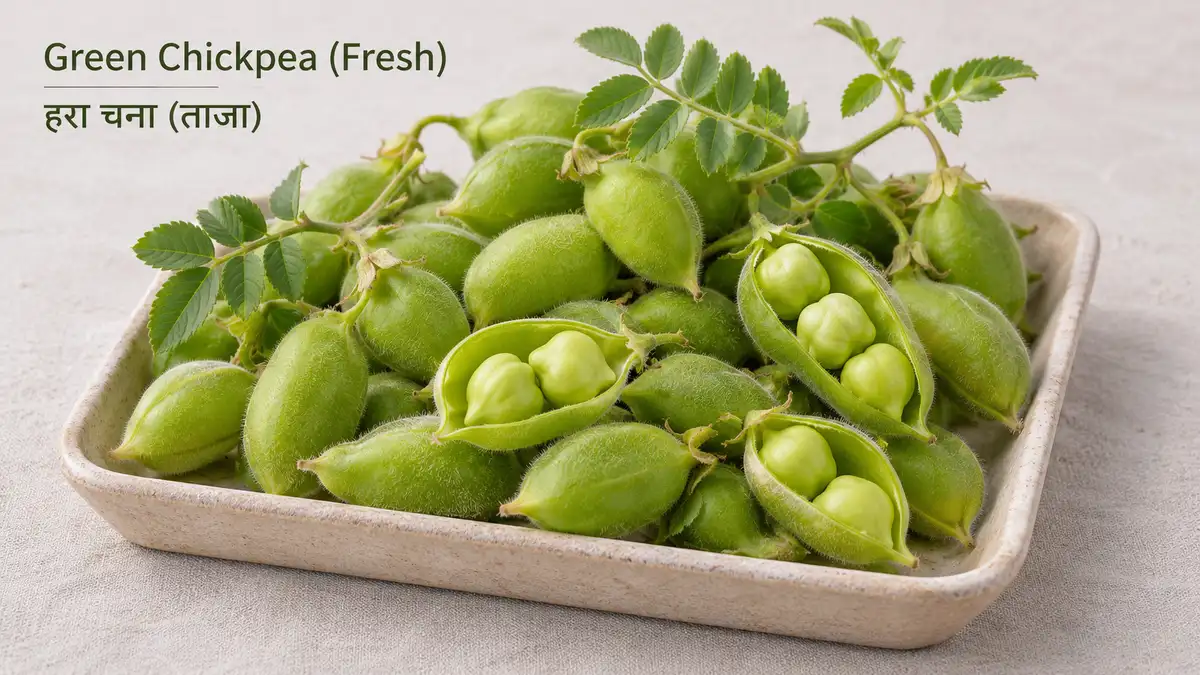
Fresh chickpeas: 10% duty
Read from the UK Trade Tariff on 29 September 2026, heading 0708 covers fresh or chilled leguminous vegetables, shelled or unshelled. Fresh chickpeas fit the residual other-legume line, 0708 90 00 90. The table shows product formats sharing this code, rather than separate tariff subdivisions.
The supplied China-origin tariff facts show 10% duty for this line, with no anti-dumping or countervailing measure and no suspension. The UK Trade Tariff attaches organic import control. For organic orders, ask your customs broker and approved UK organic control body to confirm the certificate and importer certification requirements before dispatch.
Confirm the exact product and commodity code, describing whether the chickpeas are fresh or chilled and in pods or shelled. Check plant-health risk separately from tariff classification. For other products within the heading, see fresh peas and beans.
| Goods | Commodity code | Duty | Anti-dumping or countervailing duty on China |
|---|---|---|---|
| Fresh chickpeas in pods | 0708 90 00 90 | 10% | None |
Specify green chickpeas and their packing
Specify immature green chickpeas, the variety, whether supplied in pods or shelled, and the intended cooking use. Agree colour, tenderness, size consistency and acceptable levels of empty pods, damaged seeds and stalk material against an approved sample. Do not accept dried, frozen or cooked chickpeas as a substitute.
Agree harvest and packing records, pre-cooling, ventilated food packaging, transport temperature and the remaining usable life required on arrival. Ask for a trial shipment to assess deterioration through the proposed route. Fresh produce must meet applicable quality and labelling requirements.
Confirm the plant-health risk category before shipment. Medium-risk B fruit and vegetables require a phytosanitary certificate. Ask the plant-health authority to confirm the category and requirements for the exact chickpea presentation from China. Ask the relevant food authority to confirm any food-business registration requirements and applicable pesticide residue limits.
Worked duty example
Illustrative example, not a quote: Illustrative order: 100 kg of chilled shelled chickpeas; illustrative FOB value and freight under 0708 90 00 90, invoiced at £3,500 free on board, with £1,290 of freight and insurance to the UK. The customs value is £4,790. Duty at 10% is £479. Import VAT at 20% is charged on the customs value plus duty, £5,269, so it is £1,053.80. Import taxes total £1,532.80; a VAT-registered importer can usually reclaim the VAT, so the lasting cost is the £479 of duty. The import duty and VAT guide explains each step. This assumes the goods are standard-rated for VAT. Most food for human consumption is zero-rated, and animal feed can be too, in which case no import VAT is due, so check the rate for your product in HMRC's VAT Notice 701/14.
Inspection checklist
Identity and maturity: open pods and compare the seeds with the approved sample for green colour, tenderness, filling and consistency; check that shelled stock has not been substituted with rehydrated dried chickpeas.
Condition: inspect samples from different cartons for shrivelling, yellowing, mould, insect damage, split seeds, stalks and soil. Record defects against the purchase specification.
Temperature and packing: review transport temperature records, inspect ventilation and condensation, and weigh the saleable contents separately from packaging and discarded pod material.
Records and labels: match carton lot codes to harvest records and pesticide residue reports; review labels against applicable selling requirements. Agree sampling through the inspection guide.
Working out your own order? Send us the product on WhatsApp and we reply the same working day: WhatsApp us
What goes wrong
A photograph of green pods does not establish seed tenderness or usable yield. Overmature seeds can be hard, empty pods reduce the saleable quantity, and shelling can expose bruising that is hidden in pod photographs. Specify whether the ordered weight includes pods and inspect the actual contents before dispatch.
Warm handling, poor ventilation and condensation can leave chickpeas shrivelled or mouldy on arrival. Missing temperature records make a deterioration dispute harder to resolve. Settle the route, receiving arrangements and plant-health paperwork before harvesting the shipment.
Cambridge China Bridge sources these products for UK businesses, checking the factory and the documents before shipment. See factory verification. For repeat volumes, see container programmes.
Frequently asked questions
What is the UK import duty on fresh chickpeas from China?
The supplied tariff facts show 10% under 0708 90 00 90, with no anti-dumping or countervailing duty and no suspension.
Do fresh chickpeas from China need a phytosanitary certificate?
Confirm the exact product's plant-health risk category with the authority before shipping. Medium-risk B fruit and vegetables require a phytosanitary certificate; tariff classification alone does not settle this.
Can I import organic fresh chickpeas from China?
The tariff attaches organic import control. Ask your approved UK organic control body and customs broker to confirm certification and consignment certificate requirements before ordering.
Should I buy fresh chickpeas shelled or in pods?
Specify the form your customers need. Pods add discarded weight and can hide empty or overmature seeds; shelled chickpeas need careful handling to limit bruising and deterioration.