Sourcing fresh canary melons from China
Fresh canary melons from China have an 8% full UK duty rate, with a 0% autonomous suspension shown in the supplied tariff extract. Confirm the variety and code, arrange plant-health paperwork and check fruit quality before shipment. Cambridge China Bridge sources fresh canary melons.
Buying from China for a business? How our UK China sourcing agent service works · China sourcing agent for small orders and first imports
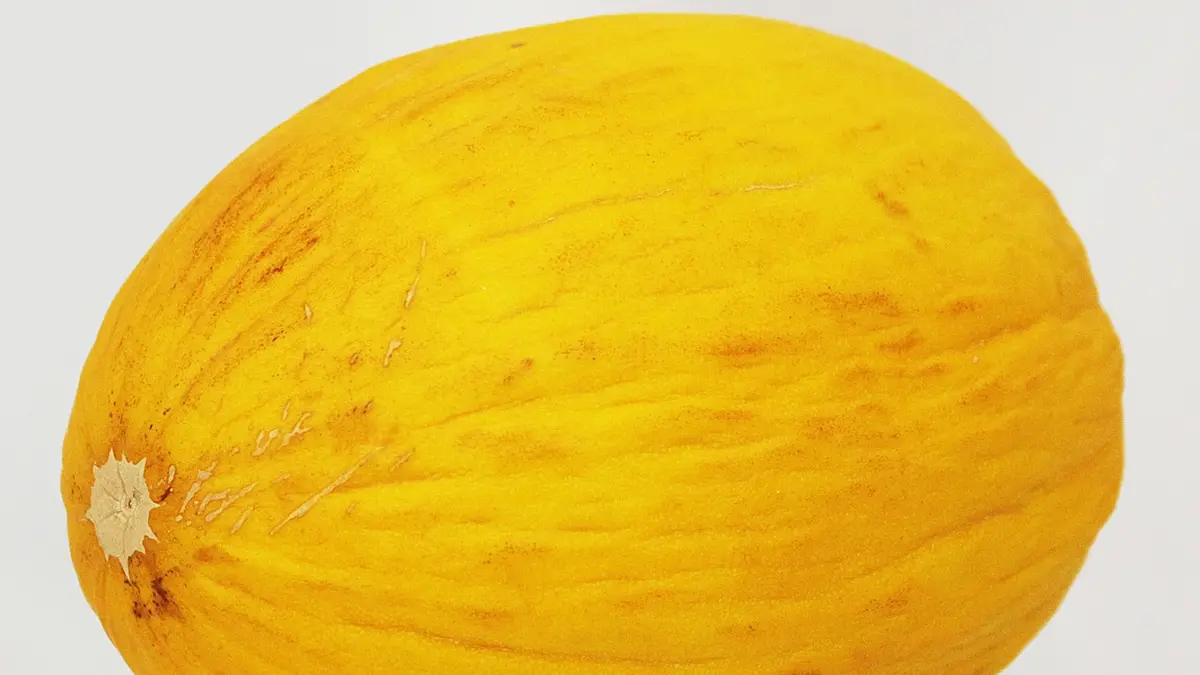
Canary melon classification and duty
Read from the UK Trade Tariff on 29 September 2026, heading 0807 covers fresh melons, including watermelons, and papayas. For canary melons, check the Amarillo description under 0807 19 00 50 against the supplier's actual variety. The full China duty is 8%, with a 0% autonomous suspension shown. No anti-dumping or countervailing measure is recorded. The suspension excludes mixtures, preparations and products containing these goods as components.
The extract attaches organic import control and a unit-price measure. Confirm inspection-certificate requirements for organic claims with the relevant organic control body; ask your customs broker to confirm the unit-price measure's declaration requirements. Defra's quoted guidance says medium-risk B goods require a phytosanitary certificate without plant-health pre-notification, but confirm with the relevant plant-health authority whether that category applies to Chinese melon fruit before dispatch.
Confirm the variety, whole fresh presentation and commodity code before ordering. The table includes neighbouring melon lines for comparison, rather than alternative codes to choose for the same fruit. See the wider melons and papayas guide for the rest of the heading.
| Goods | Commodity code | Duty | Anti-dumping or countervailing duty on China |
|---|---|---|---|
| Amarillo melons, the tariff description to check for fresh canary melons | 0807 19 00 50 | 8% | None |
| Other fresh melons outside the named varieties, for classification comparison | 0807 19 00 90 | 8% | None |
| Fresh Galia melons, for comparison with canary melons | 0807 19 00 60 | 8% | None |
| Fresh watermelons, a separate line shown for comparison | 0807 11 00 00 | 8% | None |
Specify the yellow rind and flesh maturity
Ask the grower and packhouse to identify the cultivar and provide photographs of intact and cut fruit. Agree yellow rind colour, flesh colour, shape, firmness, sweetness measured as soluble solids, fruit weight range and carton count. Use a cut sample alongside external photographs when approving the specification.
Agree harvest maturity, acceptable rind scuffing, flesh defects, stem condition and remaining selling life on arrival. Specify ventilated cartons, protection against rubbing, pallet stability and a transport temperature programme suited to the cultivar. Fresh fruit must meet marketing quality and labelling requirements; agree the label artwork before packing.
Worked duty example
Illustrative example, not a quote: 10 tonnes of whole fresh canary melons; illustrative order and values only under 0807 19 00 50, invoiced at £20,000 free on board, with £1,800 of freight and insurance to the UK. The customs value is £21,800. Duty at 8% is £1,744. Import VAT at 20% is charged on the customs value plus duty, £23,544, so it is £4,708.80. Import taxes total £6,452.80; a VAT-registered importer can usually reclaim the VAT, so the lasting cost is the £1,744 of duty. The import duty and VAT guide explains each step. This assumes the goods are standard-rated for VAT. Most food for human consumption is zero-rated, and animal feed can be too, in which case no import VAT is due, so check the rate for your product in HMRC's VAT Notice 701/14.
Inspection checklist
Identity: compare the cultivar records, yellow rind, shape and cut flesh with the approved sample; check that other yellow-skinned melon types have not been substituted.
Maturity: cut fruit drawn across the lot, measure soluble solids and firmness, and check flavour, seed-cavity condition and uneven ripening against the contract.
Condition: inspect rind abrasions, cracks, pressure bruises, soft ends, mould and leaking fruit; compare carton weights and counts with the packing list.
Cold chain and records: review loading temperatures and logger records, inspect carton ventilation, and match the lot references across labels, packing records and plant-health paperwork. Use the inspection guide to agree the inspection scope.
Working out your own order? Send us the product on WhatsApp and we reply the same working day: WhatsApp us
What goes wrong
A yellow rind can conceal immature, bland flesh. A supplier may also use a broad yellow-melon description for a different cultivar. Approving appearance alone leaves sweetness, texture and tariff classification unresolved. Agree cultivar identity and cut-fruit acceptance checks before packing.
Pressure damage, rubbing and wet cartons can turn an apparently sound load into soft or mouldy stock on arrival. Record condition during unloading and photograph affected cartons before sorting. For organic orders, resolve inspection-certificate paperwork before dispatch rather than relying on the supplier's organic claim.
Cambridge China Bridge sources these products for UK businesses, checking the factory and the documents before shipment. See factory verification. For repeat volumes, see container programmes.
Frequently asked questions
What is the UK import duty on fresh canary melons from China?
The supplied tariff extract shows 8% full duty and a 0% autonomous suspension for 0807 19 00 50. Confirm the cultivar, code and suspension eligibility before declaring the goods.
Do canary melons from China need a phytosanitary certificate?
Confirm the risk category for Chinese melon fruit with the relevant plant-health authority before dispatch. Defra's quoted guidance says medium-risk B goods require a phytosanitary certificate without plant-health pre-notification, but the supplied quote does not establish that this category applies to these melons.
Can I import organic canary melons from China?
For organic claims, confirm inspection-certificate requirements with the relevant organic control body. Ask your broker to confirm the attached organic import control before ordering.
How do I check canary melon sweetness before shipping?
Agree a soluble-solids specification and sampling method. Cut fruit from across the packed lot, measure sweetness and firmness, and compare flavour and flesh condition with the approved sample.