Sourcing faux-fur garment trims from China
Faux-fur garment trims from China carry 2% UK duty when classified under heading 4304, with no trade remedy recorded. Confirm the construction and commodity code before applying that rate; fibre labelling applies to textile products. Check authenticity, shedding and attachment fit. Cambridge China Bridge sources faux-fur garment trims.
Buying from China for a business? How our UK China sourcing agent service works · China sourcing agent for small orders and first imports
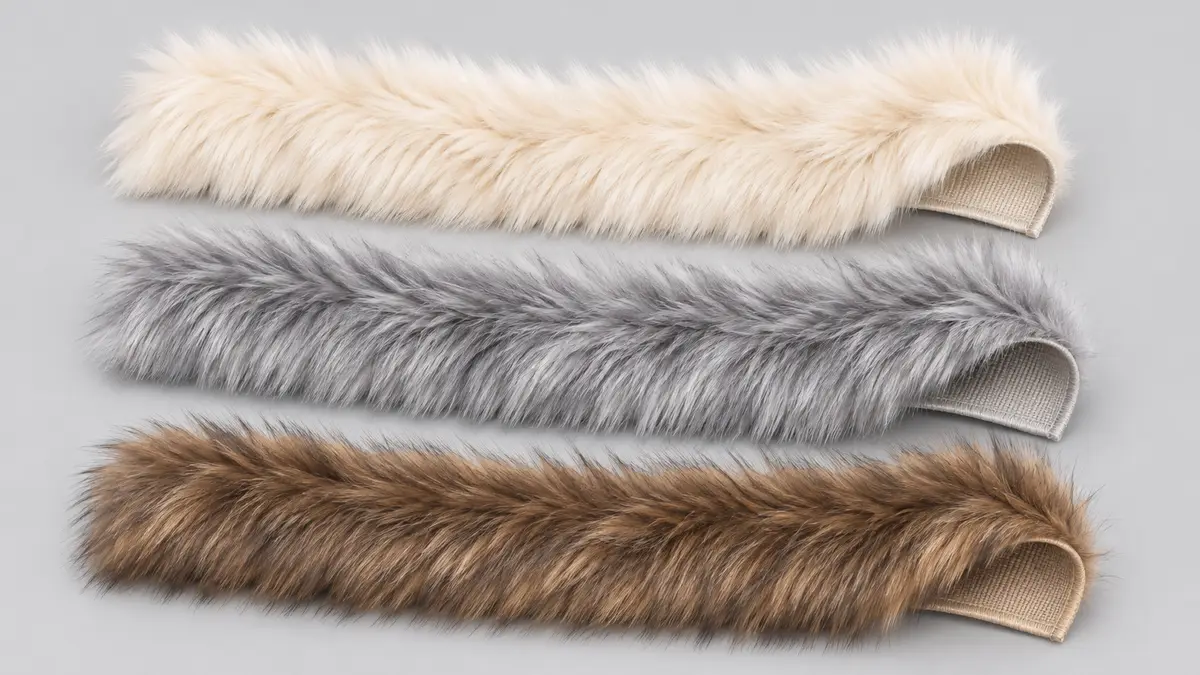
Duty and classification for garment trims
Read from the UK Trade Tariff on 8 October 2026, heading 4304 covers artificial fur and articles thereof. Its sole commodity line is 4304 00 00 00. The table shows possible garment-trim applications of that same line, subject to classification, rather than separate tariff subdivisions.
The recorded duty for goods from China is 2%. The supplied tariff record lists no anti-dumping or countervailing measure, suspension or attached import control. This rate applies to trims correctly classified here, rather than every product described commercially as faux fur.
Faux-fur fabric sold by the metre is usually classified as pile fabric, while finished garments are classified as clothing. Send construction details, backing photographs and the imported form to your broker to confirm the commodity code. See the wider faux-fur guide for the broader product family.
| Goods | Commodity code | Duty | Anti-dumping or countervailing duty on China |
|---|---|---|---|
| Artificial-fur hood trims, subject to classification | 4304 00 00 00 | 2% | None |
Specify the trim and its garment attachment
Specify pile and backing composition, pile height and density, finished length and width, pile direction, colour and tipped ends. State whether the trim is supplied loose, lined or ready to attach. For detachable hood and collar trims, approve the fastener type, spacing and alignment against the actual garment.
Agree edge finishing, seam allowance, shedding acceptance and the appearance after the intended cleaning method. Approve a sample attached to the garment, since a loose strip can conceal puckering or an exposed backing. Textile products need fibre-content labelling; confirm the applicable label arrangement for the supplied trim and finished garment.
Businesses importing or selling consumer products are responsible for their safety. Assess the trim in its intended garment use, including loose fibres and detachable fasteners, and agree suitable checks through testing and certification.
Worked duty example
Illustrative example, not a quote: 3,000 detachable faux-fur hood trims, classification confirmed (illustrative) under 4304 00 00 00, invoiced at £9,000 free on board, with £500 of freight and insurance to the UK. The customs value is £9,500. Duty at 2% is £190. Import VAT at 20% is charged on the customs value plus duty, £9,690, so it is £1,938. Import taxes total £2,128; a VAT-registered importer can usually reclaim the VAT, so the lasting cost is the £190 of duty. The import duty and VAT guide explains each step.
Inspection checklist
Authenticity: part the pile and examine the backing on samples across the delivery. Real fur grows from skin; textile faux fur has a fabric backing. Arrange fibre identification if the material is uncertain.
Fit and construction: measure against the approved pattern, attach trims to a garment sample and check fastener alignment, seam security and covered edges.
Pile and colour: compare shade, tipped ends and pile direction with the approved sample. Brush samples for shedding and check whether compressed pile recovers after unpacking.
Labels and packing: compare fibre information with the agreed composition and test findings. Check that packs identify the correct garment style, trim size and colour. Use the inspection guide to brief the inspector.
Working out your own order? Send us the product on WhatsApp and we reply the same working day: WhatsApp us
What goes wrong
A trim can match the approved colour yet fail when attached: the backing shows, fasteners miss their matching positions, the strip twists or the seam traps the pile. Check the assembled garment before accepting production, and keep an approved attachment sample for repeat orders.
Other failures include real fur substituted for faux, shedding from cut edges, inconsistent tipped ends and crushed pile that does not recover. Separate suspect stock, compare it with the approved sample and investigate the material or construction before agreeing a replacement.
Cambridge China Bridge sources these products for UK businesses, checking the factory and the documents before shipment. See factory verification. For repeat volumes, see container programmes.
Frequently asked questions
What is the UK import duty on faux-fur garment trims from China?
The supplied tariff record shows 2% for 4304 00 00 00, read on 8 October 2026. No anti-dumping or countervailing measure is listed. Confirm that your trim belongs under this code.
Can I use the same code for faux-fur fabric and finished coats?
Do not assume so. Fabric by the metre is usually classified as pile fabric, and finished garments as clothing. Ask your broker to classify the construction and form actually imported.
Do faux-fur garment trims need fibre labels?
Textile products need fibre-content labelling. Confirm the applicable label arrangement for the supplied trim and finished garment, and check the declared composition against the material.
How do I check whether a hood trim will fit?
Approve it attached to the actual hood. Check finished length, curve, pile direction, fastener positions and whether the backing or attachment seam remains visible.