Sourcing ethylene octene pellets from China
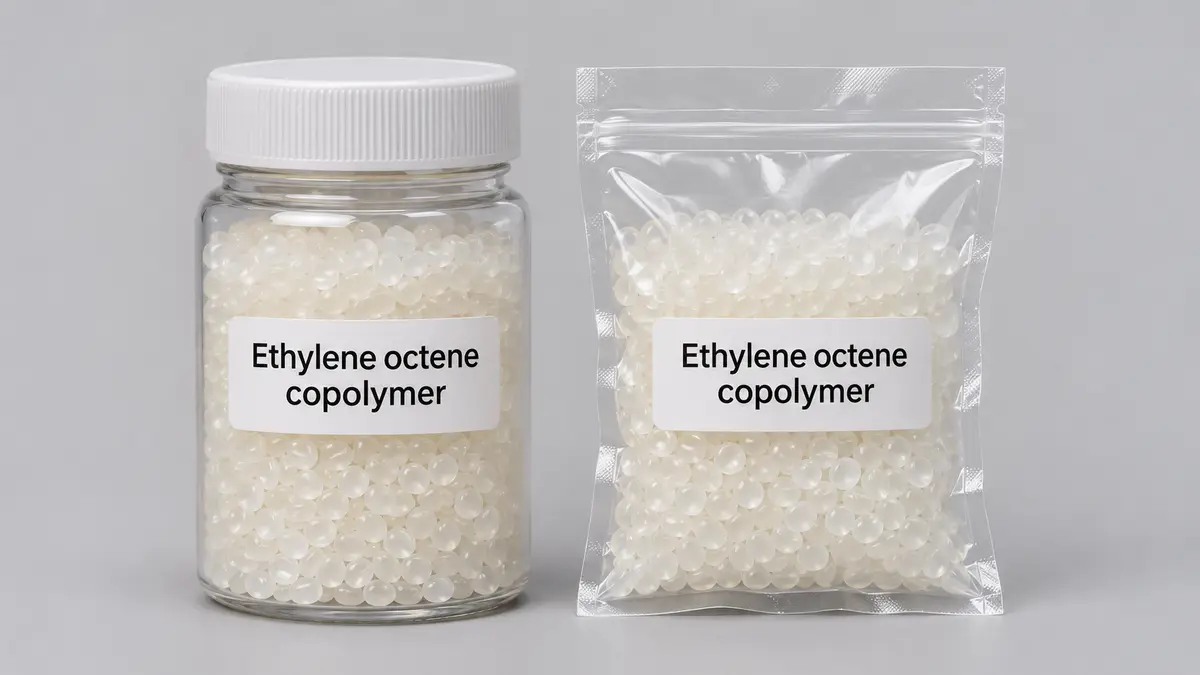
Ethylene octene copolymer pellets from China can carry 0% to 6% UK duty depending on classification. Ethylene-alpha-olefin grades below 0.94 specific gravity carry 0%. Confirm composition and density before choosing the code; food-contact grades need a declaration of compliance. Cambridge China Bridge sources ethylene octene copolymer pellets.
Buying from China for a business? How our UK China sourcing agent service works · China sourcing agent for small orders and first imports
Duty depends on the polymer classification
Read from the UK Trade Tariff on 1 October 2026, heading 3901 covers polymers of ethylene in primary forms, including pellets. The table gives classification candidates, rather than interchangeable codes. For ethylene octene grades, obtain the comonomer composition and specific gravity before deciding whether the ethylene-alpha-olefin, linear polyethylene or residual description applies.
The listed octene film grade and other ethylene-alpha-olefin copolymers below 0.94 specific gravity carry 0% duty from China. The other linear polyethylene and residual lines shown carry 6%. No anti-dumping or countervailing measure is recorded. The residual line's suspension names other polymers and does not cover ethylene octene merely because it uses that code. Neither of the ethylene-alpha-olefin lines shown has a suspension.
The tariff attaches import and export waste controls. Waste shipment controls apply only where the material is waste. For imports into England under notification controls, the Chinese exporter must apply to its dispatch authority for consent. Ask your customs broker to confirm the applicable waste route before shipping. Confirm the commodity code, and see the wider ethylene-polymer guide.
| Goods | Commodity code | Duty | Anti-dumping or countervailing duty on China |
|---|---|---|---|
| Specified octene LLDPE pellets for flexible food-packaging film | 3901 40 00 30 | 0% | None |
| Other ethylene-alpha-olefin copolymers below 0.94 specific gravity | 3901 40 00 90 | 0% | None |
| Other linear polyethylene below 0.94 specific gravity | 3901 10 10 90 | 6% | None |
| Other ethylene polymers, where the residual classification applies | 3901 90 80 99 | 6% | None |
Specify the octene grade and processing behaviour
State whether the pellets are for film extrusion, blending or moulding. Specify ethylene and octene composition, density, melt flow rate with its test temperature and load, additive package, colour, pellet uniformity and virgin or recycled content. Ask for the producer's grade data sheet and batch certificate, then trial the material in your process before accepting a substitute grade.
The specialised octene film line includes catalyst method, composition, melt flow, density and intended-use conditions. Match the complete description before using it. Confirm with HSE whether UK REACH registration requirements apply to the polymer, monomers or additives in your supply arrangement. For food-contact applications, obtain a grade-specific declaration of compliance and the supporting migration evidence. Agree the intended food, contact conditions and film construction with the packaging maker.
Worked duty example
Illustrative example, not a quote: Illustrative trial pallet of ethylene octene copolymer pellets; values are illustrative under 3901 40 00 90, invoiced at £3,000 free on board, with £1,500 of freight and insurance to the UK. The customs value is £4,500. Duty at 0% is £0. Import VAT at 20% is charged on the customs value plus duty, £4,500, so it is £900. With no duty, the only import tax is the VAT, which a VAT-registered importer can usually reclaim. The import duty and VAT guide explains each step.
Inspection checklist
Identity: check producer, grade and batch references against bag labels, the purchase order and the batch certificate.
Properties: check melt flow and density against the agreed grade window using consistent test conditions; retain a sealed arrival sample.
Contamination: check pellets for fines, foreign particles and colour variation; examine trial film for gels and fish-eyes.
Packing: check bag seals, torn sacks, pallet wrapping and signs of moisture; segregate damaged or unidentified bags. Use the inspection guide to brief the inspector.
Working out your own order? Send us the product on WhatsApp and we reply the same working day: WhatsApp us
What goes wrong
A similar grade name can hide a different melt flow, density or additive package. Film may develop gels, unstable thickness or different sealing behaviour. Undisclosed recycled or off-grade material makes the approved sample a poor guide to the shipment. Compare arrival samples with the approved grade and investigate discrepancies before releasing the batch.
A generic food-contact statement can omit the supplied grade or its intended conditions. A supplier's proposed duty code can also overlook composition or a narrowly described tariff line. Keep the specification, batch evidence and classification decision together; arrange testing and certification support where the evidence needs checking.
Cambridge China Bridge sources these products for UK businesses, checking the factory and the documents before shipment. See factory verification. For repeat volumes, see container programmes.
Frequently asked questions
What is the UK import duty on ethylene octene pellets from China?
The supplied tariff records 0% for the listed octene film grade and other ethylene-alpha-olefin copolymers below 0.94 specific gravity. Relevant linear polyethylene or residual classifications carry 6%.
Are ethylene octene pellets exempt from UK REACH registration?
Confirm with HSE whether registration requirements apply to the polymer, monomers or additives. Check the composition and supply-chain registration position before importing.
What documents should I request for food-packaging pellets?
Request a declaration of compliance naming the supplied grade and supporting migration evidence for the intended application, alongside the grade data sheet and batch certificate.
How do I check an ethylene octene pellet shipment?
Match bag labels to batch certificates, verify melt flow and density, inspect for contamination and damaged bags, and run a processing trial against the approved sample.