Sourcing EBA pellets from China
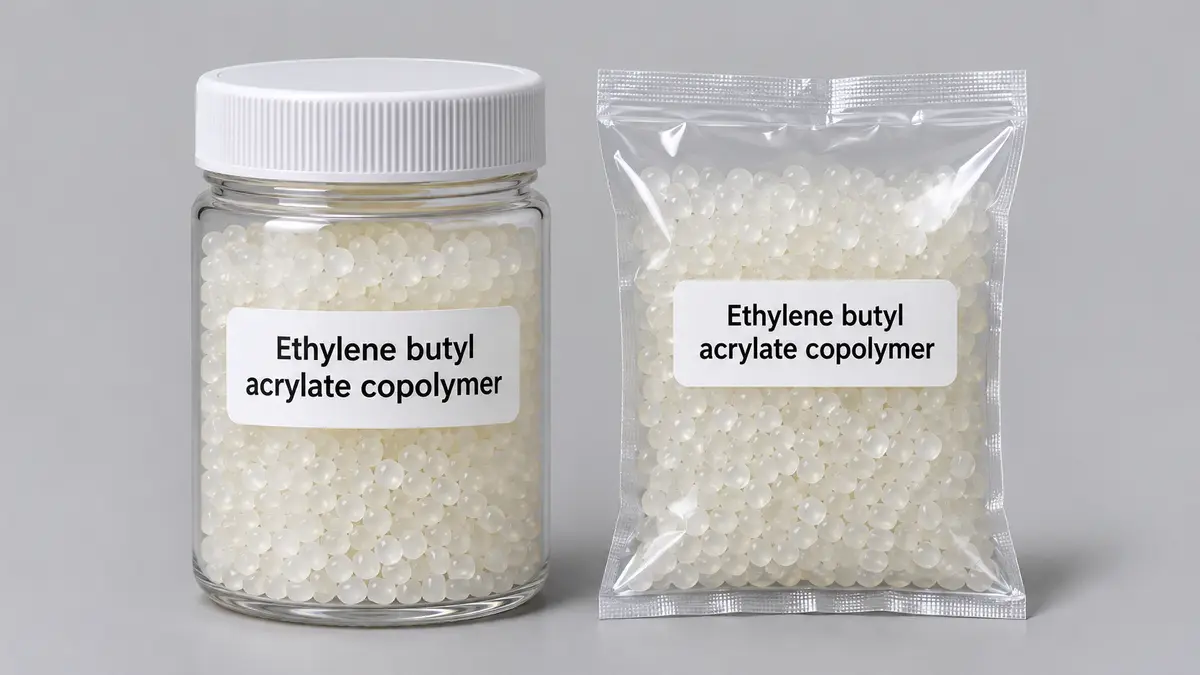
Ethylene-butyl acrylate copolymer pellets from China normally carry 6% UK duty; related comparison lines span 0% to 6%. Confirm the UK REACH registration position for the polymer, its monomers and additives with HSE before importing. Cambridge China Bridge sources ethylene-butyl acrylate copolymer pellets.
Buying from China for a business? How our UK China sourcing agent service works · China sourcing agent for small orders and first imports
6% for ordinary pellets; distinguish related resins
Read from the UK Trade Tariff on 1 October 2026, heading 3901 covers polymers of ethylene in primary forms. For ordinary ethylene-butyl acrylate copolymer pellets, 3901 90 80 99 is a candidate residual line carrying 6% duty on goods from China. Confirm the full composition before using it. The table includes related materials for comparison, rather than interchangeable grades.
The listed isobutyl acrylate/methacrylic acid and n-butyl acrylate/carbon monoxide terpolymer pellets carry 6%, without suspensions. The related terpolymer salt under 3901 90 30 00 carries 0%. These lines show no anti-dumping or countervailing duty. The suspension attached to 3901 90 80 99 names other polymers; it does not describe ordinary ethylene-butyl acrylate copolymer pellets. See the ethylene-methyl acrylate guide for wider heading context.
The tariff attaches import and export waste controls to these lines. Ask your customs broker to confirm their application to the proposed China shipment. For imports into England subject to waste notification controls, shipment can start only after consent from the Environment Agency and the other competent authorities involved. Confirm the commodity code using the producer's composition statement and grade data sheet.
| Goods | Commodity code | Duty | Anti-dumping or countervailing duty on China |
|---|---|---|---|
| Other ethylene polymers: candidate line for ordinary ethylene-butyl acrylate pellets | 3901 90 80 99 | 6% | None |
| Ethylene, isobutyl acrylate and methacrylic acid terpolymer pellets | 3901 90 80 75 | 6% | None |
| Ethylene, n-butyl acrylate and carbon monoxide terpolymer pellets | 3901 90 80 85 | 6% | None |
| Related ionomer: salt of ethylene/isobutyl acrylate/methacrylic acid terpolymer | 3901 90 30 00 | 0% | None |
Specify the butyl acrylate grade and processing behaviour
Specify whether the material is an ethylene-butyl acrylate copolymer or a terpolymer, and identify the butyl acrylate type and content. Agree melt flow with its test temperature and load, density, additive package, colour, pellet condition and intended application. Record whether the material is virgin, recycled or off-grade, and prohibit substitutions without approval.
Request a grade data sheet, batch certificate of analysis and safety data sheet. Confirm with HSE whether UK REACH registration obligations apply to the polymer, its monomers or additives. Establish the registration position for the actual composition. Ensure substances and mixtures are correctly labelled and packaged before placing them on the Great Britain market.
Approve a sample in your extrusion, compounding or adhesive process. Compare melt behaviour, adhesion, flexibility and visible defects with your accepted material. Agree sealed packaging, batch identification and retained samples. Check the producer's composition and batch controls through factory verification.
Worked duty example
Illustrative example, not a quote: 5 tonnes of ethylene-butyl acrylate copolymer pellets, illustrative only under 3901 90 80 99, invoiced at £18,000 free on board, with £1,500 of freight and insurance to the UK. The customs value is £19,500. Duty at 6% is £1,170. Import VAT at 20% is charged on the customs value plus duty, £20,670, so it is £4,134. Import taxes total £5,304; a VAT-registered importer can usually reclaim the VAT, so the lasting cost is the £1,170 of duty. The import duty and VAT guide explains each step.
Inspection checklist
Identity: match bag labels, batch numbers and analysis certificates to the approved grade and composition.
Flow: verify melt flow against the agreed method and acceptance range, then compare processing behaviour with the approved sample.
Cleanliness: inspect pellets for black specks, mixed colours, fines and clumping; check a processed sample for gels.
Packing: check seals, liners, torn bags and contamination on arrival; retain samples by batch. Use a written inspection brief.
Working out your own order? Send us the product on WhatsApp and we reply the same working day: WhatsApp us
What goes wrong
A similar trade name can conceal a different acrylate content, additive package or terpolymer. The replacement may flow differently, bond poorly or change flexibility. Mixed grades, undisclosed recycled material and contamination can produce gels or black specks that are difficult to identify from unopened bags.
Avoid accepting a certificate that covers a different batch or reports melt flow without test conditions. Keep suspect lots separate and trial them before production. A related resin's zero duty or a suspension naming another polymer should not be used to cost ordinary ethylene-butyl acrylate pellets.
Cambridge China Bridge sources these products for UK businesses, checking the factory and the documents before shipment. See factory verification. For repeat volumes, see container programmes.
Frequently asked questions
What is the UK import duty on ethylene-butyl acrylate pellets from China?
The candidate residual line 3901 90 80 99 carries 6% for goods from China in the supplied tariff snapshot. Its listed suspension does not describe ordinary ethylene-butyl acrylate pellets. Confirm composition and classification.
Do these polymer pellets need UK REACH registration?
Confirm with HSE whether registration obligations apply to the polymer, its monomers or additives. Check the actual composition and supply-chain registration position before importing.
Can I use the suspension on the other ethylene polymers line?
Not simply because the code matches. The suspension on 3901 90 80 99 names other polymers and does not describe ordinary ethylene-butyl acrylate copolymer pellets.
What should I test before using a new batch?
Check identity, melt flow under the agreed conditions and contamination. Trial the pellets in your actual process and compare adhesion, flexibility and visible defects with the approved sample.