Sourcing electronic interlockings from China
Electronic railway interlocking systems and their dedicated parts from China carry 0% UK duty across the relevant lines. For projects within the Great Britain interoperability regime, the structural subsystem needs authorisation before first use. Cambridge China Bridge sources electronic railway interlocking systems.
Buying from China for a business? How our UK China sourcing agent service works · China sourcing agent for small orders and first imports
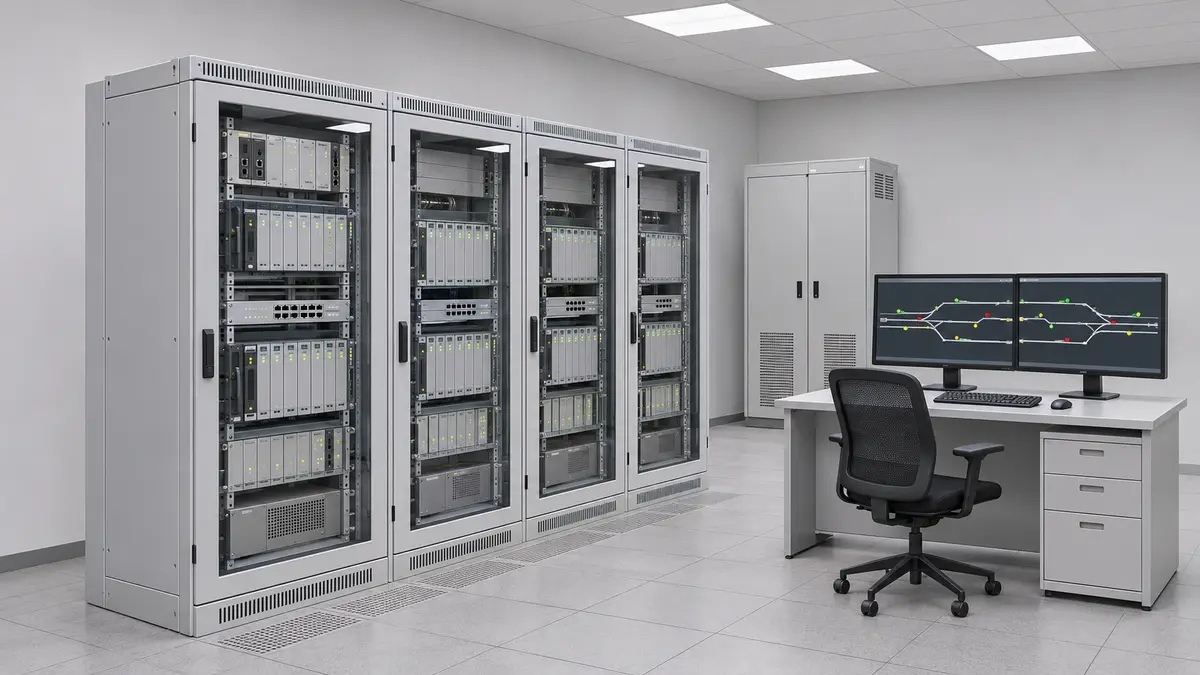
0% duty on interlocking equipment and parts
Read from the UK Trade Tariff on 4 October 2026, heading 8530 covers electrical signalling, safety and traffic control equipment. Electronic railway interlocking equipment falls within the railway or tramway equipment line, 8530 10 00 00; dedicated parts may fall within 8530 90 00 00.
Both relevant lines carry 0% duty for goods from China. The supplied tariff record lists no anti-dumping or countervailing measures, suspensions or attached import controls. This tariff position does not establish suitability for railway use.
The table repeats the relevant codes for different purchasing categories. Confirm whether each shipment comprises complete equipment, dedicated parts or separately classified components using finding your commodity code. For mechanical interlocking equipment, see the railway interlocking lever frames guide.
| Goods | Commodity code | Duty | Anti-dumping or countervailing duty on China |
|---|---|---|---|
| Complete electronic railway interlocking systems | 8530 10 00 00 | 0% | None |
| Dedicated electronic interlocking replacement modules | 8530 90 00 00 | 0% | None |
Specify the interlocking logic and railway interfaces
Specify the track layout, route locking and release logic, point detection, train detection inputs and signal outputs. Define the response to lost communications, power failure and conflicting commands. Agree hardware, firmware and application-data versions, redundancy arrangements, diagnostic logs, cabinet construction and the interfaces to existing equipment.
Control, command and signalling are structural subsystem categories. For a project within the Great Britain interoperability regime, authorisation from the Office of Rail and Road is required before first using the structural subsystem. For equipment intended for the national rail network, confirm with Network Rail whether product acceptance is needed. Agree the evidence and responsibilities with the project team before ordering.
Confirm with the relevant authority which electrical safety and electromagnetic compatibility rules apply to the mains-powered equipment and intended installation. For apparatus covered by the electromagnetic compatibility rules, the manufacturer must supply relevant instructions in English. Ask for documents matching the actual equipment and intended installation, supported by testing and certification checks.
Worked duty example
Illustrative example, not a quote: Illustrative batch of dedicated replacement modules for an electronic railway interlocking under 8530 90 00 00, invoiced at £15,000 free on board, with £800 of freight and insurance to the UK. The customs value is £15,800. Duty at 0% is £0. Import VAT at 20% is charged on the customs value plus duty, £15,800, so it is £3,160. With no duty, the only import tax is the VAT, which a VAT-registered importer can usually reclaim. The import duty and VAT guide explains each step.
Inspection checklist
Configuration: check serial numbers, hardware revisions, firmware and application data against the agreed configuration; compare dispatch records with the equipment received.
Logic: witness agreed factory tests for conflicting routes, point detection failures, occupied tracks, communication loss and power restoration; retain the results and fault logs.
Interfaces: check connector pin assignments, terminal identification, electrical characteristics and protocol compatibility with the buyer's test equipment.
Arrival: inspect cabinet damage, loose modules, moisture and connector protection; reconcile documentation and repeat agreed receiving checks. Plan the scope using our quality inspection guide.
Working out your own order? Send us the product on WhatsApp and we reply the same working day: WhatsApp us
What goes wrong
A cabinet can arrive intact while containing the wrong application data or an unrecorded firmware revision. Interfaces may work on the supplier's demonstration rig but fail with the buyer's train detection or point control equipment. A successful demonstration does not show how every agreed fault condition behaves.
Freeze the configuration before shipment, agree witnessed tests against the buyer's layout and keep a record of substitutions. Check whether the supplier controls software releases, module traceability and test records through factory verification.
Cambridge China Bridge sources these products for UK businesses, checking the factory and the documents before shipment. See factory verification. For components and parts, see sourcing for manufacturers.
Frequently asked questions
What is the UK import duty on electronic railway interlocking systems from China?
The relevant equipment line, 8530 10 00 00, and parts line, 8530 90 00 00, both carry 0% duty in the supplied tariff record. No anti-dumping or countervailing measures are listed.
Does customs clearance mean an interlocking can be installed?
Customs clearance does not establish railway suitability. For projects within the Great Britain interoperability regime, the structural subsystem requires authorisation before first use.
What should I specify before asking a Chinese factory for a quotation?
Supply the track layout, locking logic, detection inputs, signal and point interfaces, fault responses, configuration versions and agreed test scope.
How do I check replacement interlocking modules?
Match the module identity, hardware revision and firmware to the agreed configuration. Check interface compatibility and retain test results before accepting substitutions.