Sourcing electron beam systems from China
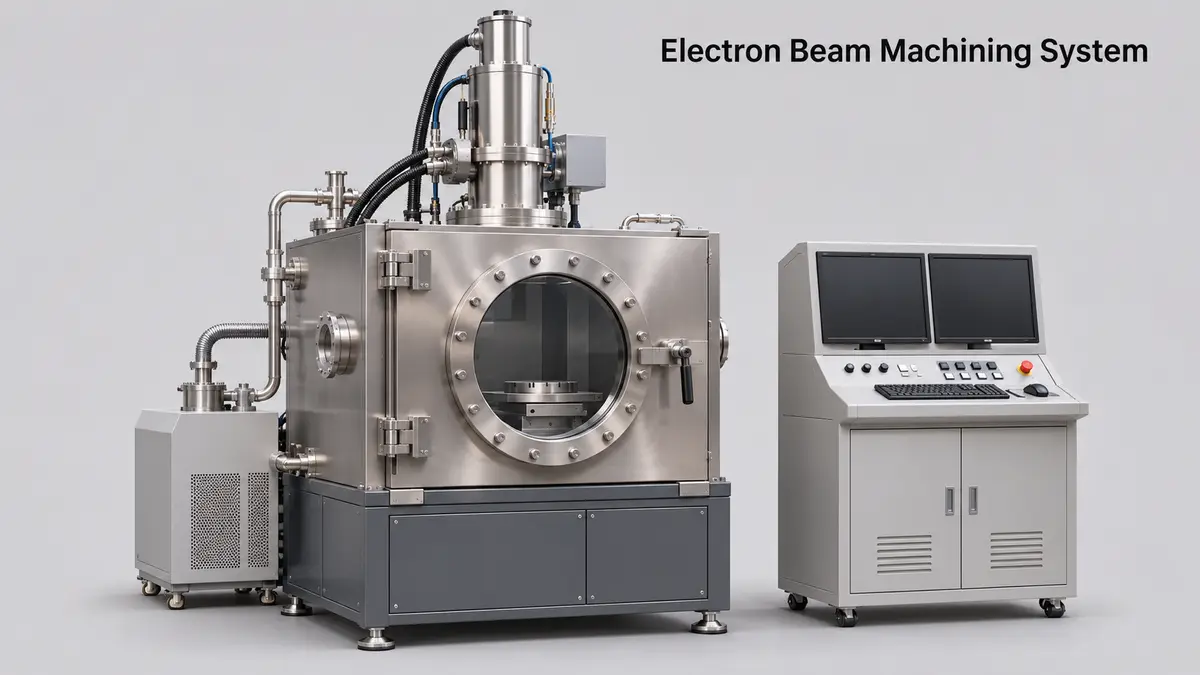
Electron beam machining systems from China provisionally fall under 8456 90 00 00 at 2% UK duty, with no duty variation within that line. Machinery safety requirements apply before sale or use in Great Britain; assess the radiation arrangements before commissioning. Cambridge China Bridge sources electron beam machining systems.
Buying from China for a business? How our UK China sourcing agent service works · China sourcing agent for small orders and first imports
Duty on electron beam material-removal systems
Read from the UK Trade Tariff on 1 October 2026, heading 8456 covers machine tools that remove material through processes including electron beams. The relevant residual line, 8456 90 00 00, carries 2% duty for goods from China. The supplied record lists no anti-dumping or countervailing measure, suspension or attached import control for that line.
The table shows different machining applications against the same tariff line, rather than separate tariff subdivisions. Specify that the system removes material: a supplier's description of an electron beam machine alone does not establish its classification. Confirm the commodity code from its process description and drawings. For the wider heading, see the electrochemical machining guide.
For supply in Great Britain, check UKCA or CE marking, the declaration of conformity, technical-file arrangements and English instructions. Separately, ask a radiation protection adviser to assess the intended operation before commissioning. HSE requires consent before specified high-risk work with ionising radiation; if consent is uncertain, its guidance says to consult the adviser before applying.
| Goods | Commodity code | Duty | Anti-dumping or countervailing duty on China |
|---|---|---|---|
| Electron beam drilling systems | 8456 90 00 00 | 2% | None |
Specify the beam, vacuum chamber and machining result
Define the workpiece material, drawing tolerances, hole or cut geometry, acceptable taper, recast layer and heat-affected area. Ask the factory to machine your material and retain labelled samples with the settings and measurement records. Agree what constitutes acceptance before ordering.
Specify accelerating voltage, beam current, pulse control, focusing and deflection, chamber working space, fixture access and axis travel. Record the vacuum pump arrangement, operating vacuum, pump-down performance, cooling connections and electrical supply. Identify the controller, software licence, English interface, maintenance access and included consumables.
Ask for the shielding design, interlock description and radiation survey arrangements for the delivered configuration. Agree who handles installation, acceptance testing, operator training and fault support. Use testing and certification support to review the proposed evidence before shipment.
Worked duty example
Illustrative example, not a quote: An electron beam machining system for a small engineering business, illustrative only under 8456 90 00 00, invoiced at £38,000 free on board, with £4,000 of freight and insurance to the UK. The customs value is £42,000. Duty at 2% is £840. Import VAT at 20% is charged on the customs value plus duty, £42,840, so it is £8,568. Import taxes total £9,408; a VAT-registered importer can usually reclaim the VAT, so the lasting cost is the £840 of duty. The import duty and VAT guide explains each step.
Inspection checklist
Process: witness machining on your material and measure the result against the agreed drawing, including hole taper, edge condition and repeatability.
Vacuum and beam: record pump-down and operating stability, inspect seals and cooling connections, and check the fitted electron gun, pumps and controller against the order.
Safety and documents: have competent personnel verify interlocks, emergency stops and shielding against the agreed design; match the declaration, English manual and electrical drawings to the machine that will ship.
Arrival: inspect the chamber, feedthroughs and cabinets for transport damage, reconcile fixtures and spares with the packing list, and repeat acceptance checks after installation. Follow the inspection guide.
Working out your own order? Send us the product on WhatsApp and we reply the same working day: WhatsApp us
What goes wrong
A demonstration on thin, easy-to-machine material can conceal poor results on your actual workpiece. Vacuum leaks, unstable focusing or unsuitable pulse settings can produce inconsistent holes, taper or excessive thermal damage. Require recorded trials using your drawings and material.
A substituted pump or controller can change performance and maintenance needs. Paperwork for a different configuration leaves the delivered machine's safety evidence unresolved. Avoid releasing the balance against a generic demonstration; inspect the actual machine and agree commissioning responsibilities in writing.
Cambridge China Bridge sources these products for UK businesses, checking the factory and the documents before shipment. See factory verification. For machinery and equipment, see machinery imports.
Frequently asked questions
What is the UK import duty on electron beam machining systems from China?
The supplied tariff record gives 2% for 8456 90 00 00, with no listed anti-dumping or countervailing measure or suspension. Confirm that this line fits the machine's material-removal process.
Is CE marking enough to commission an electron beam machine?
Check the declaration, English instructions and technical-file arrangements as well as the mark. Ask a radiation protection adviser to assess the intended operation and any HSE consent question before commissioning.
What sample should I send the Chinese factory?
Send your actual workpiece material and drawing, with agreed acceptance criteria for dimensions, taper, surface condition and thermal damage. Ask for the settings, measured results and retained samples.
What should I specify about the vacuum system?
Agree chamber space, fixture access, pump arrangement, operating vacuum, pump-down performance, seal materials and cooling connections. Witness a machining trial after the system reaches its agreed operating condition.