Sourcing dried tomato pomace feed from China
UK duty across heading 2308 is 0% for goods from China, subject to confirming the tomato pomace code. Feed business registration applies; confirm feed material labelling and contaminant requirements with the relevant authority. Organic and waste status need separate checks. Cambridge China Bridge sources dried tomato pomace feed.
Buying from China for a business? How our UK China sourcing agent service works · China sourcing agent for small orders and first imports
Duty and classification for tomato pomace
Read from the UK Trade Tariff on 29 September 2026, heading 2308 covers vegetable materials, residues and by-products used in animal feeding, including pellets, not elsewhere specified or included. The supplied record has no tomato-specific line. The table shows purchasing forms sharing the provisional other-materials code, rather than separate tariff subdivisions.
Every supplied line carries 0% duty for goods from China, with no listed anti-dumping or countervailing duty and no suspensions. The tariff attaches organic import, waste import and waste export controls. Confirm organic importer establishment and certification requirements with the relevant organic control body. Confirm the inspection certificate requirements for China with your broker. Waste controls apply where the material is waste; notification shipments need the relevant authorities' consent before movement.
Confirm the commodity code using the tomato processing route, composition, drying method and any blending or additives. Do not choose the fruit-pomace subdivision solely from the supplier's description. Confirm waste status and any later export requirements with the broker. For another feed material within this heading, see the dried apple pomace guide.
| Goods | Commodity code | Duty | Anti-dumping or countervailing duty on China |
|---|---|---|---|
| Dried tomato pomace, loose; provisional classification | 2308 00 90 00 | 0% | None |
Specify the peel, seed and drying profile
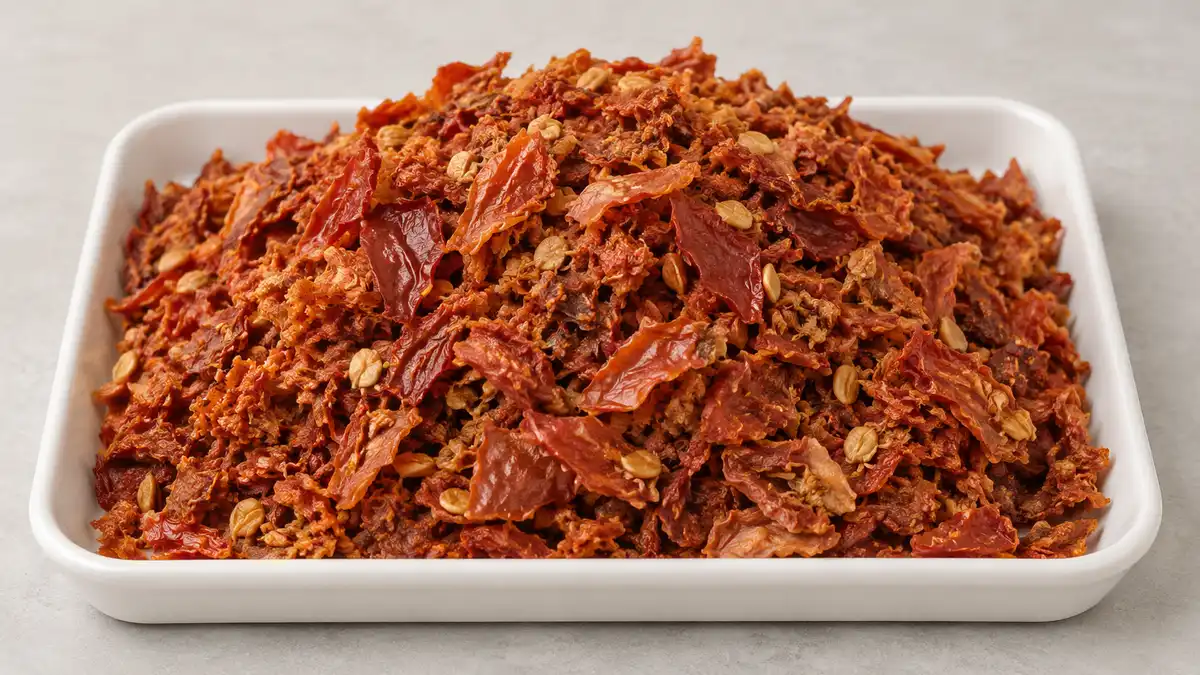
Describe the residue from tomato processing and agree its peel, seed and pulp composition. State whether it is loose, ground or pelleted, and disclose added binders, preservatives or other materials. Agree crude protein, residual oil, fibre, moisture, ash and particle size against the intended animal feed use. Use a retained sample and batch analysis to define acceptance.
Feed importers must be registered as feed businesses. Confirm the required feed material name, statutory declarations and applicable undesirable substance limits with the relevant authority, and agree the contaminant testing brief with the laboratory. Ask for the processing history, drying records, batch identification and storage instructions before approving the supplier.
Worked duty example
Illustrative example, not a quote: Illustrative order: 12 tonnes of loose dried tomato pomace feed, subject to classification confirmation under 2308 00 90 00, invoiced at £3,500 free on board, with £2,680 of freight and insurance to the UK. The customs value is £6,180. Duty at 0% is £0. Import VAT at 20% is charged on the customs value plus duty, £6,180, so it is £1,236. With no duty, the only import tax is the VAT, which a VAT-registered importer can usually reclaim. The import duty and VAT guide explains each step. This assumes the goods are standard-rated for VAT. Most food for human consumption is zero-rated, and animal feed can be too, in which case no import VAT is due, so check the rate for your product in HMRC's VAT Notice 701/14.
Inspection checklist
Identity: compare peel, seed and pulp proportions with the agreed sample; check for stalks, grit, plastic and undeclared fillers.
Analysis: independently sample the shipment and compare moisture, protein, oil, fibre and ash with the contract; arrange contaminant testing against applicable feed limits.
Arrival condition: inspect for warm bags, damp patches, mould, insects, caking and rancid odour; keep samples from suspect bags separate.
Packs and records: check seals, net weight, batch references and feed declarations against the delivery documents and analysis reports. Use the quality inspection guide to brief the inspector.
Working out your own order? Send us the product on WhatsApp and we reply the same working day: WhatsApp us
What goes wrong
A sample rich in seeds can differ from a shipment dominated by peel or pulp, changing oil, protein and fibre. Uneven drying leaves damp pockets, while damaged bags admit moisture. Compare independently collected loading and arrival samples, and hold suspect material apart while its condition is assessed.
A supplier may describe processing residue as both feed and waste without resolving its status. Missing organic documentation or unresolved waste controls can disrupt clearance. Before loading, ask the broker to confirm the tariff controls for the actual goods and approve the document checklist alongside the batch analysis.
Cambridge China Bridge sources these products for UK businesses, checking the factory and the documents before shipment. See factory verification. For repeat volumes, see container programmes.
Frequently asked questions
What is the UK import duty on dried tomato pomace from China?
All supplied heading 2308 lines carry 0% duty for goods from China, with no listed trade remedies or suspensions. Confirm the tomato pomace classification before shipment.
Do I need feed business registration to import tomato pomace?
Feed importers must be registered as feed businesses. Confirm the applicable registration, feed material name and statutory declarations with your competent authority before trading.
Is dried tomato pomace automatically classed as waste?
A residue description alone does not settle waste status. Ask your broker to confirm it. If notification controls apply, the relevant authorities must consent before the waste is shipped.
What paperwork is needed for organic tomato pomace from China?
Confirm importer establishment, certification and inspection certificate requirements with your broker and control body. The certificate is issued by the exporter's control body in the exporting country.