Sourcing dried rhubarb root from China
Dried rhubarb root for pharmaceutical use carries 0% UK duty across whole, cut, crushed and powdered forms, with no trade remedy recorded. Settle the intended sales route first: confirm with the MHRA whether medicinal claims require herbal registration or marketing authorisation. Cambridge China Bridge sources dried rhubarb root.
Buying from China for a business? How our UK China sourcing agent service works · China sourcing agent for small orders and first imports
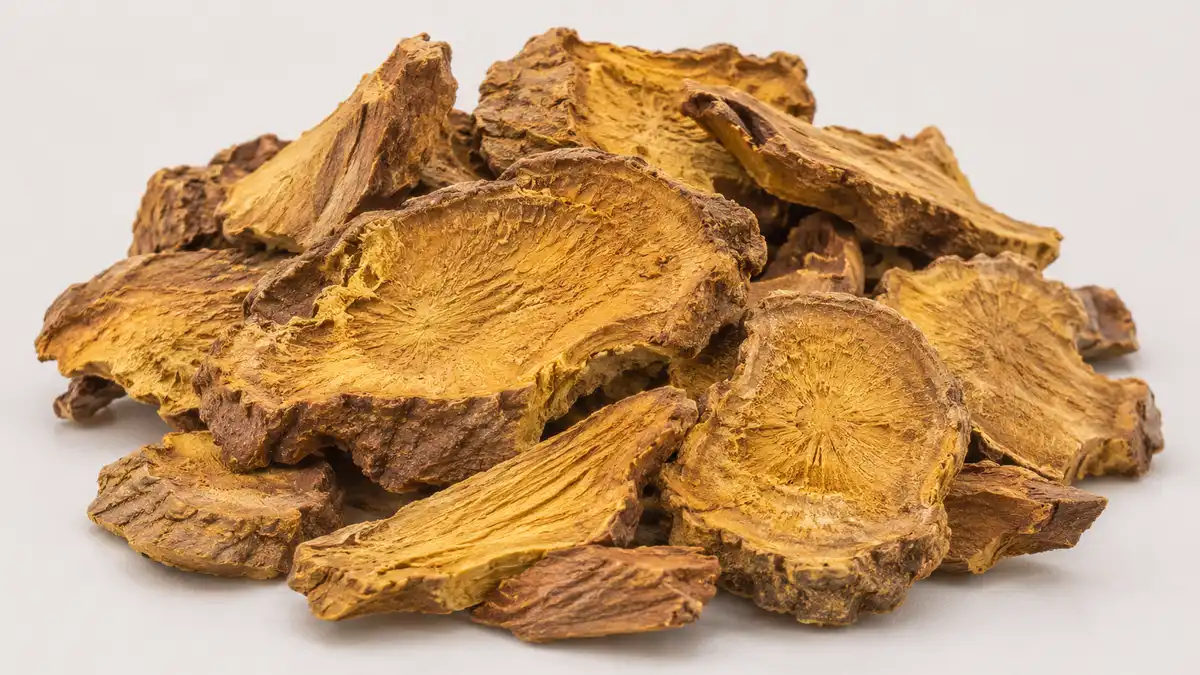
Dried root: duty and species checks
Read from the UK Trade Tariff on 2 October 2026, heading 1211 covers plants and plant parts used primarily in perfumery, pharmacy or insecticidal, fungicidal or similar applications, including dried, cut, crushed and powdered material. Dried rhubarb root for pharmaceutical use falls within the other-plants line, 1211 90 86 90, subject to confirmation. The table shows forms sharing that line, rather than separate commodity codes.
The line carries 0% duty for goods from China, with no anti-dumping or countervailing measure and no suspension recorded. It attaches CITES, Home Office controlled-drug and organic import controls, and also flags CITES and controlled-drug export controls. These flags do not establish the permit requirements for a particular rhubarb lot. Have your customs broker confirm their application to the botanical identity and consignment.
For a CITES-listed specimen, check the applicable permit requirements; controlled drugs or precursor chemicals require an import or export licence. Organic food from China entering Great Britain needs a certificate of inspection for each consignment and checks against the non-UK organic registers. Confirm the commodity code using the plant part, processing and intended use. See the dried angelica root guide for related heading coverage.
| Goods | Commodity code | Duty | Anti-dumping or countervailing duty on China |
|---|---|---|---|
| Whole dried rhubarb root for pharmaceutical use | 1211 90 86 90 | 0% | None |
Specify the root and its intended use
Write the botanical name and plant part into the purchase specification. State whether you want whole root, slices, crushed material or powder, and agree an identity reference sample. Record the growing origin, drying method and any fumigation or other treatment. Agree cut dimensions or powder fineness, moisture acceptance, foreign matter and packaging with the supplier.
Decide whether the buyer will use the lot as a manufacturing ingredient, food ingredient or finished medicinal product. Do not assume acceptance as food follows from the familiar rhubarb name. Check novel-food status for the root and intended use; novel foods need authorisation before sale in Great Britain. For products sold with medicinal claims, confirm with the MHRA whether herbal registration or marketing authorisation is required.
Worked duty example
Illustrative example, not a quote: Illustrative order: 500 kg of cut dried rhubarb root under 1211 90 86 90, invoiced at £2,500 free on board, with £900 of freight and insurance to the UK. The customs value is £3,400. Duty at 0% is £0. Import VAT at 20% is charged on the customs value plus duty, £3,400, so it is £680. With no duty, the only import tax is the VAT, which a VAT-registered importer can usually reclaim. The import duty and VAT guide explains each step. This assumes the goods are standard-rated for VAT. Most food for human consumption is zero-rated, and animal feed can be too, in which case no import VAT is due, so check the rate for your product in HMRC's VAT Notice 701/14.
Inspection checklist
Identity: compare the lot with the agreed reference sample and arrange botanical identification. Check that the invoice, bag labels and laboratory report name the same plant and plant part.
Condition: inspect cut surfaces, colour, odour, mould, insects, soil and foreign matter. Measure moisture against the agreed specification and check for excess dust or uneven cuts.
Testing: agree batch testing for pesticide residues, heavy metals, sulphite, aflatoxins and microbiological contamination according to intended use. Match the tested sample and results to the supplied lot.
Packing and documents: check dry, intact liners, seals and batch labels. Reconcile quantities and treatment records, and confirm applicable border documents before dispatch. See quality inspection explained.
Working out your own order? Send us the product on WhatsApp and we reply the same working day: WhatsApp us
What goes wrong
A common-name order leaves room for the wrong botanical material or plant part. Powder makes substitution harder to spot visually, while inconsistent cutting changes the usable yield. Damp root can arrive mouldy, and a clean appearance does not demonstrate acceptable pesticide, metal or sulphite results.
Another failure is buying stock before settling how it will be sold. A supplier's description as tea or a supplement does not resolve novel-food status or medicinal claims. Keep an agreed reference sample and batch-linked test evidence, and resolve the sales route and tariff-control questions before placing the order.
Cambridge China Bridge sources these products for UK businesses, checking the factory and the documents before shipment. See factory verification. For repeat volumes, see container programmes.
Frequently asked questions
What is the UK import duty on dried rhubarb root from China?
The supplied tariff reading gives 0% duty under 1211 90 86 90 for dried rhubarb root for pharmaceutical use, with no anti-dumping or countervailing measure recorded. Confirm the code for your exact product.
Can I sell dried rhubarb root as a tea or supplement?
Check novel-food status for the root and intended use first. Novel foods need authorisation before sale in Great Britain. Confirm with the MHRA whether medicinal claims require herbal registration or marketing authorisation.
Does dried rhubarb root need a CITES or controlled-drug licence?
The tariff line flags both controls. Have your broker check the exact botanical material. CITES-listed specimens have applicable permit requirements; controlled drugs or precursor chemicals need a licence.
What should I test before accepting the shipment?
Check botanical identity, moisture, foreign matter and cut or powder consistency. Agree batch testing for pesticides, heavy metals, sulphite, aflatoxins and microbiological contamination according to intended use.