Sourcing decorative ceramic eggs from China
Decorative ceramic eggs from China carry UK duty of 2% to 6%, depending on the ceramic body, with no anti-dumping duty listed. Consumer ornaments sold in Great Britain must be safe in normal or reasonably foreseeable use. Cambridge China Bridge sources decorative ceramic eggs.
Buying from China for a business? How our UK China sourcing agent service works · China sourcing agent for small orders and first imports
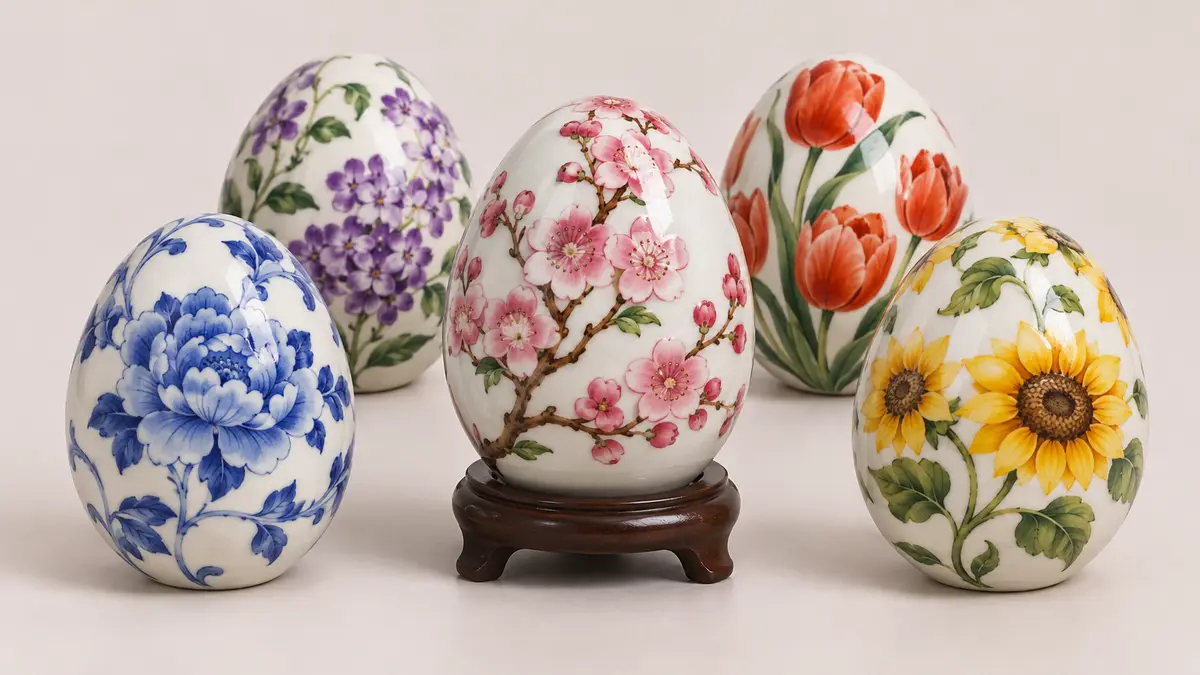
Decorative ceramic eggs: 2% or 6% duty
Read from the UK Trade Tariff on 1 October 2026, heading 6913 covers statuettes and other ornamental ceramic articles, including purely decorative ceramic eggs. Goods from China carry 2% duty for common pottery and 6% for porcelain or china, earthenware or fine pottery, and other ceramics. Hand-made and other articles have separate lines. No anti-dumping or countervailing duties or suspensions are listed.
The tariff attaches cat and dog fur and waste import controls. Eggs containing cat or dog fur cannot be imported; exclude such trim. For waste from China subject to notification controls, dispatch, destination and transit authorities must consent before shipment. Confirm the procedure with your customs broker. The snapshot also lists export controls for waste, cat and dog fur, and cultural objects; ask your broker to check these if exporting the goods later.
Confirm the ceramic body, manufacturing method and intended use before choosing the commodity code. Functional food containers need a separate classification assessment. For the wider ornamental heading, see ceramic decorative pumpkins.
| Goods | Commodity code | Duty | Anti-dumping or countervailing duty on China |
|---|---|---|---|
| Hand-made porcelain decorative eggs | 6913 10 00 10 | 6% | None |
| Other porcelain decorative eggs | 6913 10 00 90 | 6% | None |
| Hand-made common pottery decorative eggs | 6913 90 10 10 | 2% | None |
| Other common pottery decorative eggs | 6913 90 10 90 | 2% | None |
| Hand-made earthenware or fine pottery decorative eggs | 6913 90 93 10 | 6% | None |
| Other earthenware or fine pottery decorative eggs | 6913 90 93 90 | 6% | None |
| Hand-made decorative eggs of other ceramics | 6913 90 98 10 | 6% | None |
| Other decorative eggs of other ceramics | 6913 90 98 90 | 6% | None |
Specify the egg body, finish and display method
State the ceramic body, height, widest diameter, weight and whether the egg is hollow or solid. Specify a flat standing base or a hanging loop, the loop attachment, protective base pads and any removable lid. Approve a physical sample showing glaze colour, speckling, painted motifs, decal position and acceptable variation.
Assess toy rules if presentation invites children to play with the eggs, and food-contact rules if a hollow egg is intended or likely to hold food. Confirm with the relevant product safety or food safety authority how a decorative-use label affects that assessment. Agree the assessment and supporting tests before approving packaging.
Worked duty example
Illustrative example, not a quote: 700 porcelain decorative eggs for a gift retailer, illustrative order under 6913 10 00 90, invoiced at £2,088 free on board, with £700 of freight and insurance to the UK. The customs value is £2,788. Duty at 6% is £167.28. Import VAT at 20% is charged on the customs value plus duty, £2,955.28, so it is £591.06. Import taxes total £758.34; a VAT-registered importer can usually reclaim the VAT, so the lasting cost is the £167.28 of duty. The import duty and VAT guide explains each step.
Inspection checklist
Body and base: check for cracks, chipped tips, sharp edges and rocking bases; compare shape and weight with the approved sample.
Glaze and decoration: check pinholes, crawling, unintended crazing and exposed body; compare speckles, motifs and decal alignment across the batch.
Attachments and lids: check hanging loops and glued fittings hold securely; check lids fit without jamming or chipping the rim.
Packing and arrival: check eggs are separated in cushioned inserts, then drop-test agreed packing; inspect delivered cartons and record damaged pieces. Use the quality inspection guide to brief the inspection.
Working out your own order? Send us the product on WhatsApp and we reply the same working day: WhatsApp us
What goes wrong
Egg tips and lid rims chip when pieces touch inside cartons. Hanging fittings detach when glue bonds poorly to the glaze, and uneven bases make standing eggs rock. Speckled finishes and hand-painted motifs can vary noticeably between production batches.
Keep an approved sample and written acceptance criteria for each finish. Check packed samples as well as loose pieces, and agree how damaged sets will be recorded. Separate purely decorative designs from products presented for play or food storage so that the intended use is assessed before ordering.
Cambridge China Bridge sources these products for UK businesses, checking the factory and the documents before shipment. See factory verification. For own-brand ranges, see sourcing for brands.
Frequently asked questions
What is the UK import duty on decorative ceramic eggs from China?
The tariff snapshot lists 2% for common pottery and 6% for porcelain or china, earthenware or fine pottery, and other ceramics. No anti-dumping or countervailing duty is listed.
Are hand-painted ceramic eggs classed as hand-made?
Do not choose the hand-made line from painted decoration alone. Give your customs broker the body material and manufacturing process to confirm the appropriate commodity line.
Can I sell ceramic eggs as children's Easter toys?
Assess the toy rules before ordering if the design or presentation invites play. Confirm with the relevant product safety authority how a decorative-use label affects the assessment of applicable toy obligations.
What should I check when decorative ceramic eggs arrive?
Check tips and rims for chips, bases for rocking, loops for secure attachment, and decoration against the approved sample. Record carton damage and inspect the cushioning around broken pieces.