Sourcing dates and tropical fruit from China
UK duty on heading 0804 fruit from China ranges from 0% to 8%, with conditional pineapple and manufacturing-date suspensions to 0%. Imports must meet British food hygiene and safety procedures; organic consignments need inspection certificates. Cambridge China Bridge sources dates, figs and tropical fruit.
Buying from China for a business? How our UK China sourcing agent service works · China sourcing agent for small orders and first imports
Duty by fruit and product form
Read from the UK Trade Tariff on 17 November 2026, heading 0804 covers dates, figs, pineapples, avocados, guavas, mangoes and mangosteens, fresh or dried. Chinese-origin dates carry 6%, fresh figs 4%, dried figs 8%, pineapples and avocados 4%, and the guava, mango and mangosteen lines 0%. The supplied tariff records show no anti-dumping or countervailing duties.
Pineapple lines have autonomous suspensions to 0.00%, excluding mixtures, preparations and products containing different components. Dates for food or drink manufacture under 0804 10 00 30 also have a 0.00% suspension, excluding packing and processing by retail or catering undertakings. The tariff attaches organic import control throughout, and a unit-price measure to other pineapples and both avocado lines. Ask your customs broker to confirm suspension eligibility and the unit-price declaration requirement.
Confirm fruit species, fresh or dried form, immediate pack capacity and intended use before choosing the commodity code. Organic consignments need a certificate of inspection; the exporter’s control body issues it. For imports into Great Britain, check the plant-health risk category separately: high or medium risk goods require a phytosanitary certificate. These plant-health procedures concern England, Scotland and Wales; confirm Northern Ireland arrangements separately.
| Goods | Commodity code | Duty | Anti-dumping or countervailing duty on China |
|---|---|---|---|
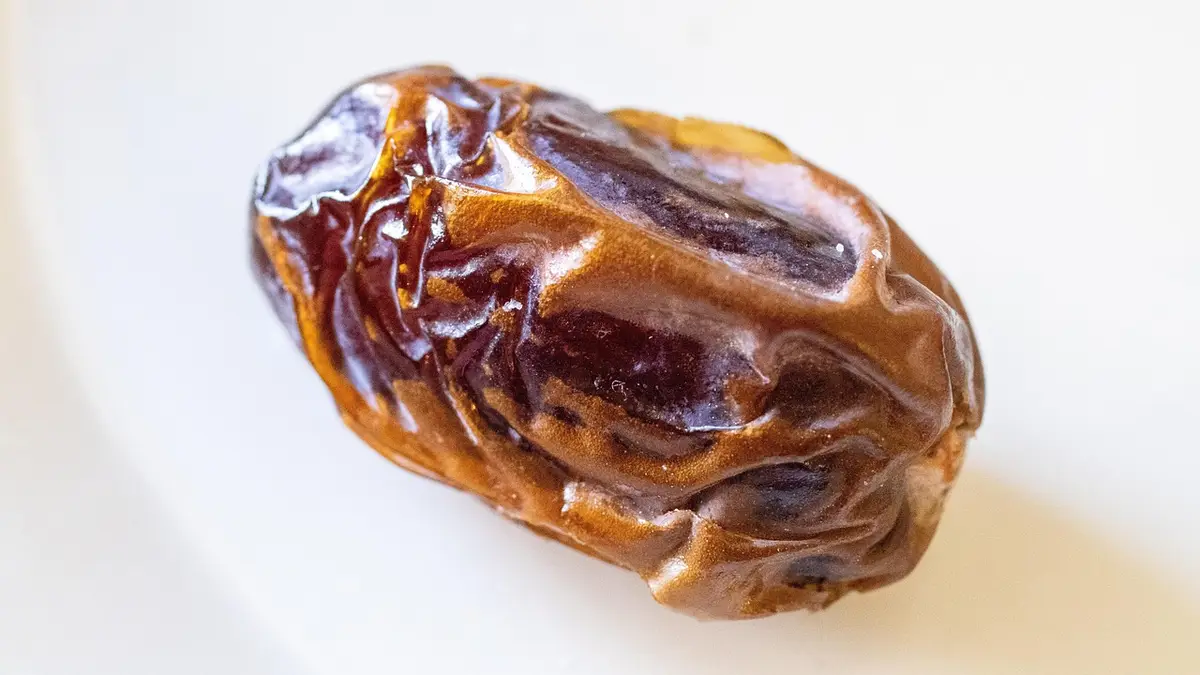
| Dates, immediate containers not exceeding 35 kg net | 0804 10 00 91 | 6% | None |
| Fresh figs | 0804 20 10 00 | 4% | None |
| Dried figs | 0804 20 90 00 | 8% | None |
| Dried pineapples | 0804 30 00 10 | 4% | None |
| Other pineapples | 0804 30 00 90 | 4% | None |
| Fresh avocados | 0804 40 00 10 | 4% | None |
| Guavas | 0804 50 00 30 | 0% | None |
| Mangoes | 0804 50 00 40 | 0% | None |
| Other fruit in the guava, mango and mangosteen group | 0804 50 00 89 | 0% | None |
Specify ripeness, drying and the actual packer
Specify the fruit species and variety, growing origin, fresh or dried form, whole or cut presentation, size grading, permitted defects and pack format. For dates, agree pitted or unpitted supply and acceptable pit fragments. For dried figs, mangoes and pineapple, agree moisture, texture, added sugar and preservatives. For fresh mangoes and avocados, agree arrival firmness, ripeness and the temperature plan rather than judging the order by skin colour alone.
Imported fruit must meet the same hygiene standards and safety procedures as food produced in Great Britain. For dried products, agree lot-specific pesticide, contaminant and sulphite testing before shipment. Confirm sulphur dioxide allergen declaration requirements with the relevant food authority. Pre-packed food sold in Great Britain must carry a UK food business operator address, or a UK importer address where the operator is based abroad.
Worked duty example
Illustrative example, not a quote: Illustrative only: 5 tonnes of dried figs under 0804 20 90 00, invoiced at £20,000 free on board, with £1,800 of freight and insurance to the UK. The customs value is £21,800. Duty at 8% is £1,744. Import VAT at 20% is charged on the customs value plus duty, £23,544, so it is £4,708.80. Import taxes total £6,452.80; a VAT-registered importer can usually reclaim the VAT, so the lasting cost is the £1,744 of duty. The import duty and VAT guide explains each step. This assumes the goods are standard-rated for VAT. Most food for human consumption is zero-rated, and animal feed can be too, in which case no import VAT is due, so check the rate for your product in HMRC's VAT Notice 701/14.
Inspection checklist
Identity: compare species, variety, growing origin and packer details with the purchase specification and lot documents.
Condition: cut fresh samples to check internal bruising and decay; inspect dried fruit for mould, insects, fermentation, pit fragments and uneven moisture.
Packing: check net weight, seals, liners, carton damage and condensation; compare arrival firmness and temperature records with the agreed transport plan.
Documents: match laboratory reports and organic inspection certificates to the shipped lot, and review the retail label before release. Agree sampling through the quality inspection guide.
Working out your own order? Send us the product on WhatsApp and we reply the same working day: WhatsApp us
What goes wrong
Fresh fruit can arrive outwardly sound but bruised or overripe inside. Dried fruit can differ from the approved sample in moisture, chewiness or added sugar. A trader’s address can also conceal a change of packer or growing origin. Record these details in the specification and compare samples from the actual shipment.
A generic organic certificate is not a substitute for the consignment inspection certificate. Missing lot matches, undeclared sulphites and an assumed pineapple suspension can turn an acceptable-looking order into a clearance or sale problem. Check documents before loading and agree how damaged or non-conforming fruit will be handled.
Cambridge China Bridge sources these products for UK businesses, checking the factory and the documents before shipment. See factory verification. For repeat volumes, see container programmes.
Frequently asked questions
What is the UK import duty on dates and tropical fruit from China?
Dates carry 6%, fresh figs 4%, dried figs 8%, pineapples and avocados 4%, and guavas, mangoes and mangosteens 0%. Conditional suspensions reduce pineapple and manufacturing-date duty to 0%.
Can I import organic dried mango from China?
Organic consignments need a certificate of inspection issued by the exporter’s control body. Confirm the organic import arrangements for your destination before shipment.
Does fresh fruit need a phytosanitary certificate?
For Great Britain, the answer depends on its plant-health risk category. High and medium risk goods require a certificate from the exporting country’s plant-health authority; low risk goods are exempt.
What should I test in dried figs and mangoes?
Agree lot-specific pesticide, contaminant and sulphite tests, plus moisture and insect checks. Compare texture, colour, cut size and any added sugar with the agreed specification.