Sourcing dried figs from China
Dried figs from China carry a fixed 8% UK import duty, with no anti-dumping or countervailing duty or tariff suspension in the supplied tariff record. Imports into Great Britain must meet food safety requirements; confirm organic consignment inspection-certificate requirements with your organic control body. Cambridge China Bridge sources dried figs.
Buying from China for a business? How our UK China sourcing agent service works · China sourcing agent for small orders and first imports
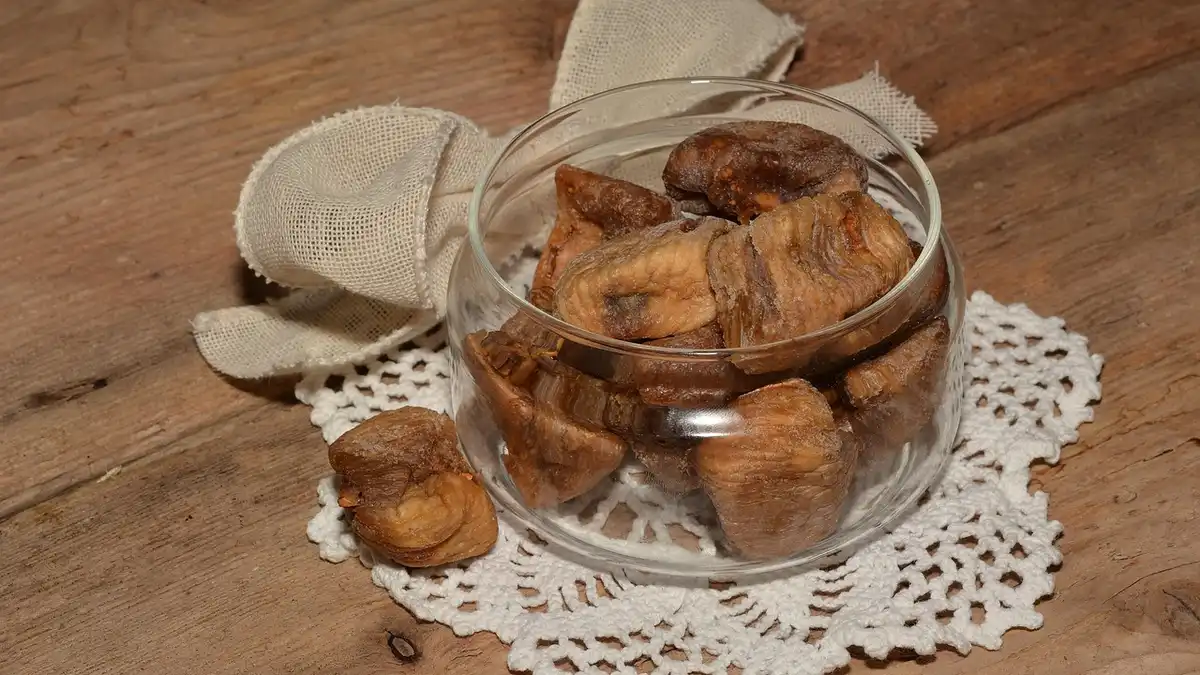
Dried-fig duty and organic controls
Read from the UK Trade Tariff on 29 September 2026, dried figs under 0804 20 90 00 carried 8% duty for goods from China, with no anti-dumping or countervailing duty and no suspension. Heading 0804 covers dates, figs, pineapples, avocados, guavas, mangoes and mangosteens, fresh or dried. The pack formats in the table share the same dried-fig commodity line.
The tariff attaches import control of organic products. Confirm inspection-certificate requirements for organic dried figs with your organic control body and customs broker. For Great Britain, check the recognised organic registers for the exporting country and control body before ordering. Ask HMRC or your customs broker to confirm the VAT treatment of your exact dried-fruit product.
Give your broker the ingredients, processing method and packaging details and confirm the commodity code. Do not assume that a candied product or fruit mixture uses the plain dried-fig code. See the dried mango guide for another product within the wider heading.
| Goods | Commodity code | Duty | Anti-dumping or countervailing duty on China |
|---|---|---|---|
| Dried figs in bulk packs | 0804 20 90 00 | 8% | None |
Specify fig texture, moisture and presentation
Agree the variety, growing origin, whole or pressed presentation, size grading, skin colour, softness and allowed split or damaged fruit. Record the moisture specification, stems, foreign matter, declared additives and packaging materials. Keep an approved sample for comparison and ask whether the supplier grows and dries the figs or repacks bought-in fruit.
Imports into Great Britain must meet food safety requirements. Confirm the applicable pesticide residue and contaminant limits, and how concentration during drying should be assessed, with the relevant food safety authority. Ask a laboratory to select an aflatoxin and pesticide testing panel for the actual figs. Confirm sulphur dioxide allergen-declaration requirements with the relevant food-labelling authority.
Worked duty example
Illustrative example, not a quote: Illustrative order: 5 tonnes of dried figs; FOB and freight values are illustrative under 0804 20 90 00, invoiced at £20,000 free on board, with £1,800 of freight and insurance to the UK. The customs value is £21,800. Duty at 8% is £1,744. Import VAT at 20% is charged on the customs value plus duty, £23,544, so it is £4,708.80. Import taxes total £6,452.80; a VAT-registered importer can usually reclaim the VAT, so the lasting cost is the £1,744 of duty. The import duty and VAT guide explains each step. This assumes the goods are standard-rated for VAT. Most food for human consumption is zero-rated, and animal feed can be too, in which case no import VAT is due, so check the rate for your product in HMRC's VAT Notice 701/14.
Inspection checklist
Fruit: compare size, colour, softness and split fruit with the approved sample; cut open sampled figs to look for internal mould and insect damage.
Moisture: measure against the agreed specification and check for wet patches, fermentation odours and condensation inside liners.
Laboratory: match the sampled lot to its aflatoxin, pesticide residue and sulphur dioxide reports; check that results describe dried figs rather than fresh fruit.
Packs: check seals, liner condition, net weight and batch identification against the order; for organic goods, match the consignment to its inspection certificate.
Working out your own order? Send us the product on WhatsApp and we reply the same working day: WhatsApp us
What goes wrong
A good-looking surface can hide mould or insect damage inside a fig. Uneven drying leaves soft, wet pockets that ferment in transit, while excessive drying produces tough fruit. Size grades can drift between cartons, and compressed packs can contain more split fruit than the sample.
Separate appearance checks from laboratory testing: neither proves the other. Agree how rejected lots will be handled before shipment, retain sealed samples and compare arrival findings with dispatch records. Use the quality inspection guide to prepare the inspection brief.
Cambridge China Bridge sources these products for UK businesses, checking the factory and the documents before shipment. See factory verification. For repeat volumes, see container programmes.
Frequently asked questions
What is the UK import duty on dried figs from China?
The supplied tariff record shows 8% for 0804 20 90 00, with no anti-dumping or countervailing duty and no tariff suspension.
What documents do organic dried figs need?
Confirm inspection-certificate requirements for each consignment with your organic control body and customs broker. For Great Britain, check the recognised organic registers for the exporting country and control body.
What should I test dried figs for before shipment?
Ask a laboratory to select aflatoxin and pesticide residue tests for the actual dried figs, and check sulphur dioxide where relevant. Match reports to the shipment lot.
Is import VAT charged on plain dried figs?
Ask HMRC or your customs broker to confirm the VAT treatment of dried fruit sold as food. Provide details of any other ingredients or processing.