Sourcing cultured pearl necklaces from China
Cultured pearl necklaces classified under 7116 10 00 00 carry 0% UK duty from China, with no anti-dumping or countervailing duty recorded. Disclose cultured identity and treatments, and confirm applicable UK REACH restrictions for metal findings with the relevant authority. Cambridge China Bridge sources cultured pearl necklaces.
Buying from China for a business? How our UK China sourcing agent service works · China sourcing agent for small orders and first imports
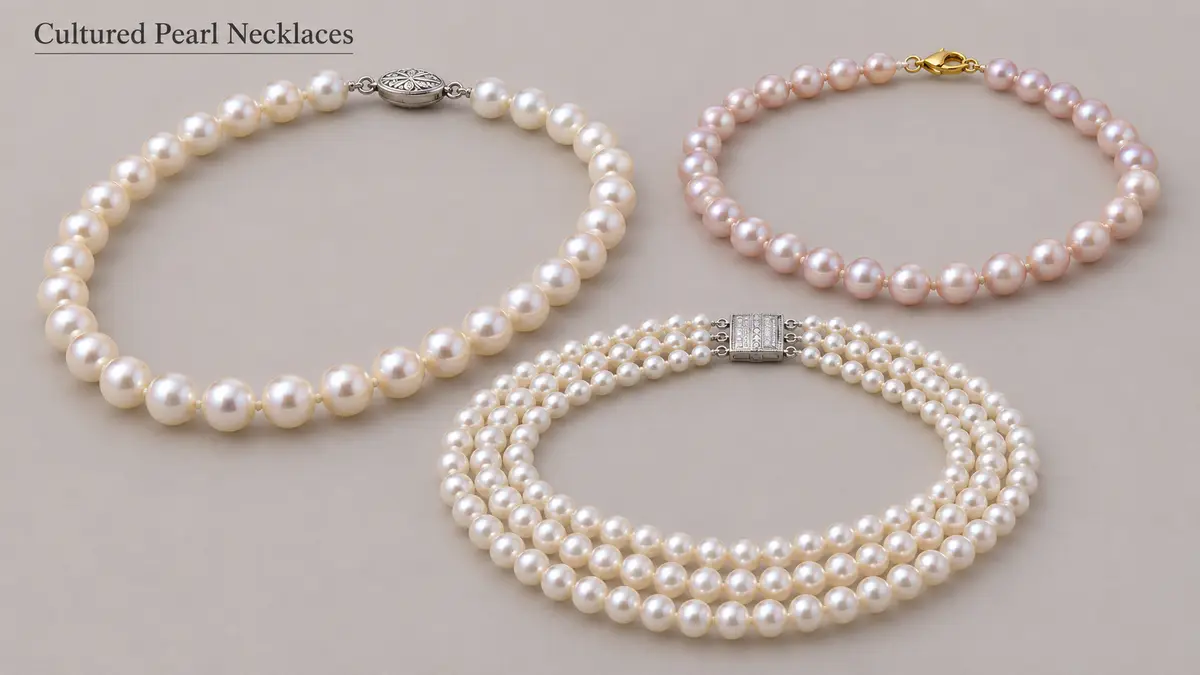
0% duty on pearl necklaces
Read from the UK Trade Tariff on 4 October 2026, heading 7116 covers articles of natural or cultured pearls and precious or semi-precious stones. Cultured pearl necklaces classified under 7116 10 00 00 carry 0% duty from China. No anti-dumping duty, countervailing duty or suspension is recorded for that line. The necklace variants in the table share the same commodity line.
The UK Trade Tariff attaches an ivory import control and a CITES import-control flag to the pearl line. Specify no ivory components and ask your customs broker to confirm the requirements for the complete necklace before shipment. The Ivory Act bans dealing in ivory; exemption eligibility needs checking where ivory is involved. CITES permits are required for species listed in Annex A, B or C.
Confirm the commodity code using the complete materials list, including clasps, settings and decorative components. Precious-metal parts can change classification. For the other products within this heading, see our pearl and gemstone jewellery guide.
| Goods | Commodity code | Duty | Anti-dumping or countervailing duty on China |
|---|---|---|---|
| Freshwater cultured pearl necklaces | 7116 10 00 00 | 0% | None |
Specify the pearls, strand and clasp
Specify freshwater or saltwater cultured pearls, shape, size range, colour, lustre and acceptable surface blemishes. Agree matching along the strand, finished length, thread material, knotting, clasp material and plating. Keep an approved necklace as the comparison sample, with photographs showing the agreed appearance.
Get dyeing, bleaching and other treatments stated in writing. Product listings should describe cultured pearls accurately and reflect treatments. Confirm with the relevant authority which UK REACH nickel-release restrictions apply to skin-contact metal findings and which cadmium and lead restrictions apply to jewellery parts. Ask for reports covering the actual findings supplied. Necklaces sold in Great Britain must be safe under the General Product Safety Regulations 2005.
Worked duty example
Illustrative example, not a quote: 200 cultured pearl necklaces (illustrative order) under 7116 10 00 00, invoiced at £3,000 free on board, with £300 of freight and insurance to the UK. The customs value is £3,300. Duty at 0% is £0. Import VAT at 20% is charged on the customs value plus duty, £3,300, so it is £660. With no duty, the only import tax is the VAT, which a VAT-registered importer can usually reclaim. The import duty and VAT guide explains each step.
Inspection checklist
Pearl matching: compare colour, lustre, shape and size along sampled necklaces against the approved sample.
Surface and drilling: check blemishes, damaged drill holes and rough edges where the thread passes through.
Stringing and clasp: check finished length, knot consistency, thread fraying, clasp operation and attachment security.
Identity and reports: match treatment declarations and findings test reports to the delivered design and materials. Use testing and certification support where laboratory checks are needed.
Working out your own order? Send us the product on WhatsApp and we reply the same working day: WhatsApp us
What goes wrong
A sample can have closely matched pearls while bulk necklaces contain mixed lustre, colour or surface quality. Loose knots, rough drill holes and weak clasp attachments can shorten the life of a strand. Agree rejection criteria against the approved sample before production.
Undisclosed dyeing and replacement clasp materials can leave descriptions or test reports mismatched to the delivered goods. Record the agreed materials and treatments, then compare the shipment with that record. See quality inspection explained.
Cambridge China Bridge sources these products for UK businesses, checking the factory and the documents before shipment. See factory verification. For own-brand ranges, see sourcing for brands.
Frequently asked questions
What is the UK import duty on cultured pearl necklaces from China?
The supplied tariff facts show 0% duty under 7116 10 00 00, with no anti-dumping or countervailing duty recorded. Confirm classification from the complete necklace.
Can I describe cultured pearls as natural pearls?
Describe them as cultured pearls. Get treatments stated in writing and reflect them in the listing; describing cultured pearls as natural is misleading.
Do cultured pearl necklace clasps need testing?
Confirm with the relevant authority which UK REACH nickel-release restrictions apply to skin-contact metal findings and which cadmium and lead restrictions apply. Ask for reports covering the supplied clasp and other metal findings.
What should I specify before ordering pearl necklaces?
Specify pearl type, size, shape, lustre, colour, surface quality, treatments, strand length, thread, knotting and clasp materials. Keep an approved necklace for comparison.
Sources
What most often fails: Jewellery
UK OPSS + EU / EEA Safety Gate (alerts counted separately in each system) · China-origin alerts over the 24 calendar month coverage window(2024-12 – 2026-11) · 133
Combined counts are alerts from both systems, not unique products across markets. Each source uses its own publication window; the same product may appear in both. · OPSS: 2024-12 – 2026-11 · Safety Gate: 2024-12 – 2026-11
- Chemical: 132
- Choking / asphyxiation: 1
- Injuries / cuts: 1
Most-cited regulations
- REACH Regulation: 118
- General Product Safety Regulation: 12
- REACH Enforcement Regulations 2008: 6
Checks to ask the factory for
- Ask for laboratory testing for restricted substances relevant to the materials and intended market.
- Match the report model, material colours and component list to the order.
- Ask how raw-material declarations and supplier changes are traced by batch.
Questions for due diligence, not a certification checklist or a guarantee of compliance. Select the applicable standards and tests with a competent laboratory.
The current calendar month is partial. These are published alerts, safety reports and recalls, not a measure of all products sold or a recall rate. Hong Kong is reported separately.
All recall dataContains public sector information licensed under the Open Government Licence v3.0 (OPSS, GOV.UK product safety alerts)
Source: European Commission, Safety Gate, English XML (en), extracted 2026-11-09. XML distribution: CC0. Cambridge China Bridge analysis.